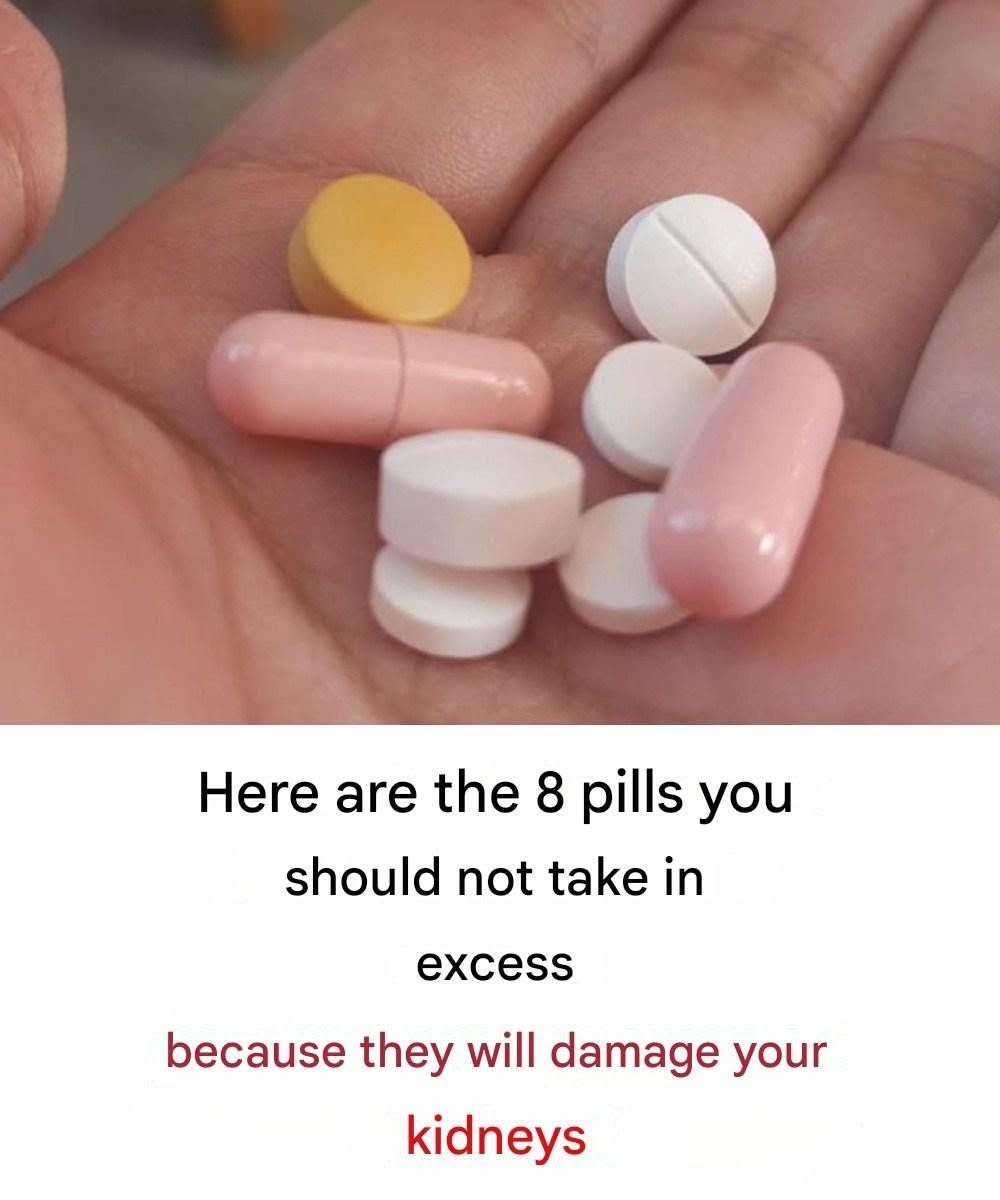
8 Common Medications That May Affect Kidney Health If Misused
The kidneys filter waste from the blood and help maintain fluid and mineral balance. While many medications are safe when used correctly, some can put extra strain on the kidneys—especially if taken in high doses, for long periods, or without medical supervision.
This does not mean these medicines should be avoided entirely. Instead, they should be used carefully under proper guidance, particularly in people with existing kidney conditions.
⚠️ 1. Painkillers (NSAIDs)
Non-steroidal anti-inflammatory drugs are widely used for pain and fever.
Examples include:
- Ibuprofen
- Naproxen
- Diclofenac
Long-term or high-dose use may reduce blood flow to the kidneys.
⚠️ 2. Certain Blood Pressure Medications
Some blood pressure drugs can affect kidney function if not monitored properly.
Examples:
- Lisinopril
- Losartan
These are often kidney-protective in the long term but require regular monitoring.
⚠️ 3. Diuretics (“Water Pills”)
Used to reduce fluid buildup and lower blood pressure.
Example:
- Furosemide
They can affect hydration and electrolyte balance if not properly managed.
⚠️ 4. Certain Antibiotics
Some antibiotics may be hard on the kidneys, especially in high doses or sensitive individuals.
Examples include:
- Aminoglycosides (e.g., gentamicin)
- Vancomycin (in certain cases)
⚠️ 5. Proton Pump Inhibitors (Long-Term Use)
Used for acid reflux and stomach issues.
Examples:
- Omeprazole
- Esomeprazole
Long-term use has been associated in some studies with kidney inflammation risks in rare cases.
⚠️ 6. Contrast Dyes Used in Scans
Used in CT scans and imaging procedures.
These can temporarily stress the kidneys, especially in people with pre-existing kidney disease.
⚠️ 7. Lithium
Used for certain psychiatric conditions.
- Lithium
Requires careful blood monitoring due to its effect on kidney function over time.
⚠️ 8. Some Antiviral and Chemotherapy Drugs
Certain treatments for infections or cancer can affect kidney cells due to their strong action on the body.
These are always used under strict medical supervision.
🧠 Who Is at Higher Risk?
Kidney side effects are more likely in people who:
- Are older adults
- Have diabetes or high blood pressure
- Are dehydrated
- Already have kidney disease
- Take multiple medications
💡 How to Protect Your Kidneys
- Take medications exactly as prescribed
- Avoid self-medication with painkillers
- Stay well hydrated (unless restricted)
- Get regular kidney function tests if at risk
- Inform your doctor about all medicines and supplements
⚠️ Important Reminder
Never stop prescribed medication without medical advice. Many of the drugs listed above are essential and safe when properly monitored.
🧠 Final Thoughts
Some medications can affect kidney function under certain conditions, but they are not inherently “bad.” The real risk comes from misuse, overuse, or lack of monitoring. Safe use, hydration, and regular checkups are key to protecting kidney health.
Source: Original educational article based on nephrology guidelines and clinical pharmacology references related to drug-induced kidney effects.
