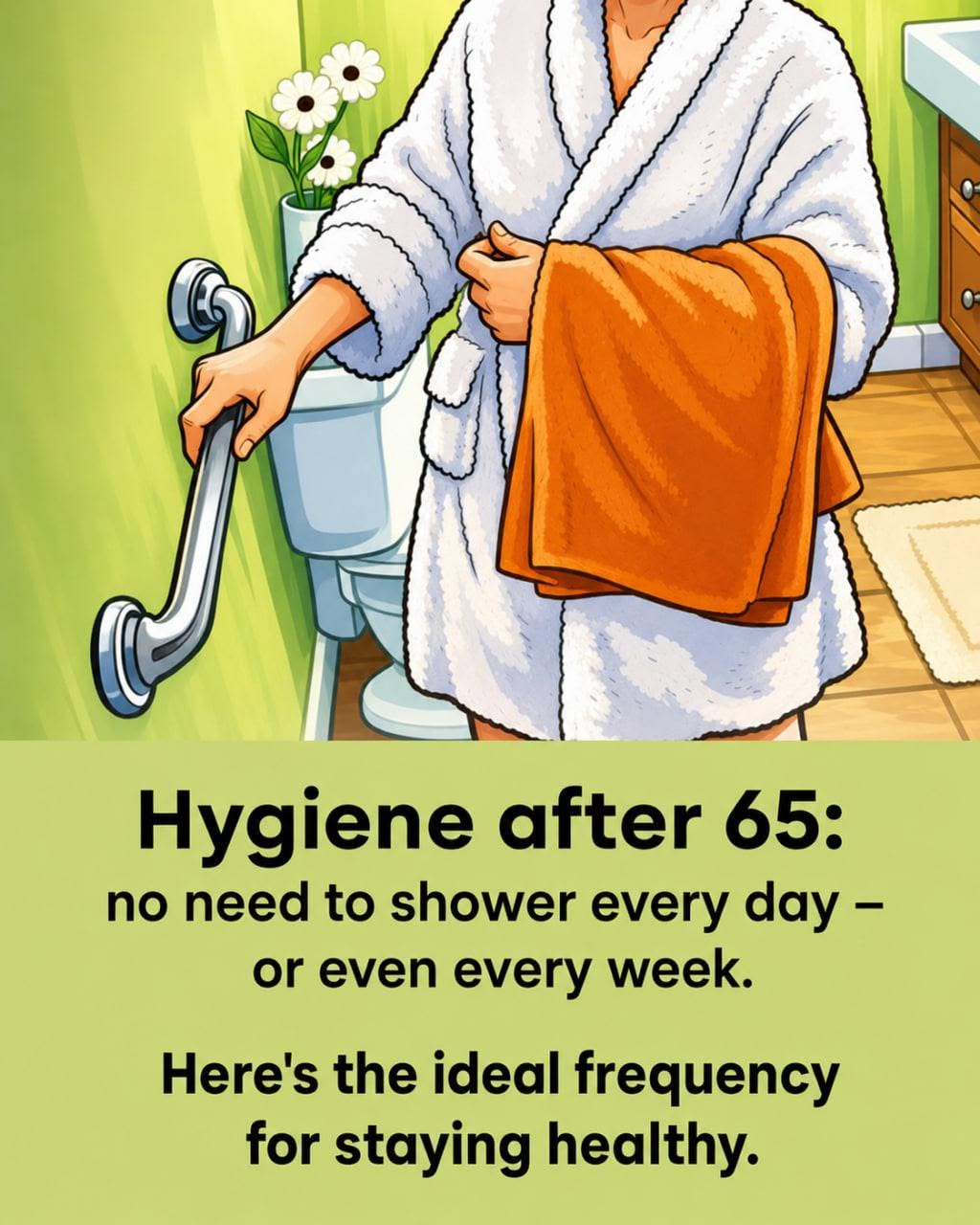
Why Daily Showers After 65 May Do More Harm Than Good
Daily showers are not automatically bad after age 65, but some older adults may experience more skin problems from frequent bathing. As we age, our skin naturally becomes thinner, drier, and less able to retain moisture.
How daily showers may cause problems
1. Increased dryness and itching
- Hot water and frequent soap use can remove natural oils that help protect the skin.
- This may lead to dry, flaky, or itchy skin.
2. Skin irritation
- Strong soaps, fragrances, and rough scrubbing can irritate sensitive skin and worsen dryness.
3. Higher risk of bathroom falls
- Wet floors and slippery surfaces can be a concern, especially for people with balance or mobility issues.
4. Damage to the skin barrier
- Over-washing may weaken the protective layer of the skin, making it more vulnerable to irritation.
5. Longer recovery from small skin injuries
- Dry, cracked skin may heal more slowly and can increase the chance of infection.
A healthier shower routine after 65
- Use warm water instead of very hot water.
- Keep showers short (around 5–10 minutes).
- Choose gentle, fragrance-free cleansers.
- Avoid vigorous scrubbing.
- Apply moisturizer after bathing.
- Use safety features such as non-slip mats or grab bars if needed.
How often should older adults shower?
There is no required number of showers for everyone. Some people do well showering daily, while others may prefer every other day or a few times per week, with regular washing of areas that need attention.
The best routine is the one that keeps you clean, comfortable, and protects your skin. If your skin becomes consistently dry, itchy, cracked, or irritated, adjusting your bathing habits may help.
