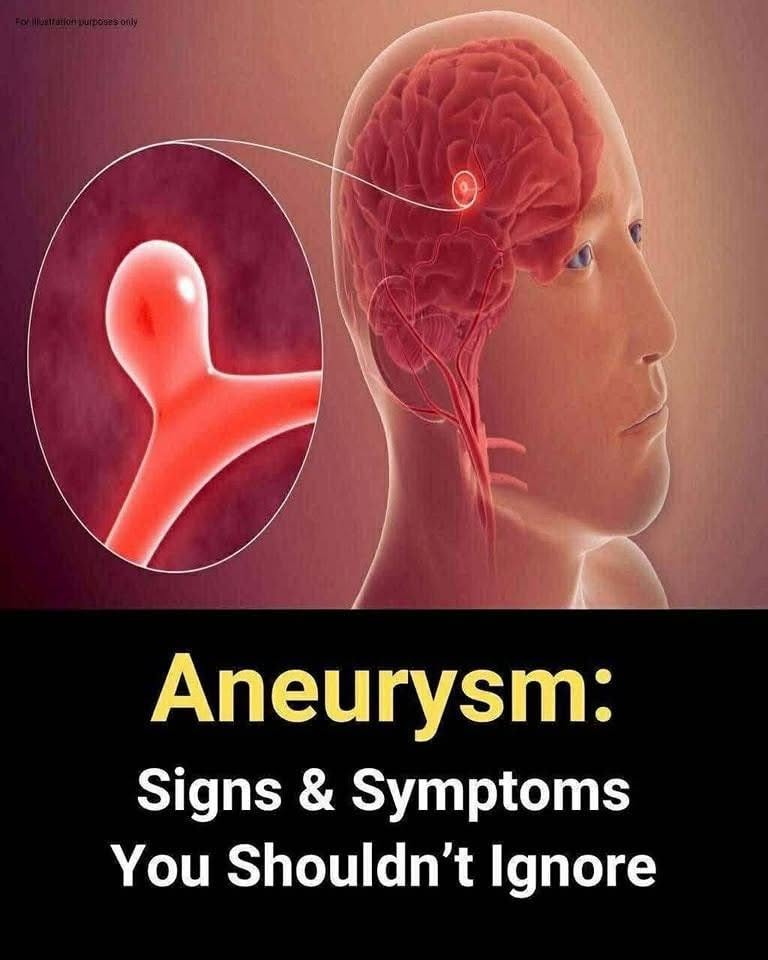
Aneurysm: Signs You Shouldn’t Ignore
An aneurysm is a weakened area in the wall of a blood vessel that bulges outward like a balloon. Many aneurysms cause no symptoms until they become very large or rupture. A ruptured aneurysm is a medical emergency that requires immediate treatment.
Warning Signs of a Brain Aneurysm
A brain aneurysm may cause symptoms if it leaks, ruptures, or presses on nearby nerves. Seek emergency medical care if you experience:
- A sudden, severe headache often described as “the worst headache of my life.”
- Sudden vision changes or double vision.
- Pain above or behind one eye.
- Drooping eyelid or a dilated pupil.
- Numbness or weakness on one side of the face.
- Difficulty speaking, confusion, or loss of consciousness.
- Seizures.
Warning Signs of an Abdominal Aortic Aneurysm
An aneurysm in the abdomen may not cause symptoms until it becomes larger. Warning signs include:
- A deep, persistent pain in the abdomen or lower back.
- A pulsating feeling near the belly button.
- Sudden, intense abdominal or back pain, especially if accompanied by dizziness, fainting, or rapid heartbeat. This may indicate a rupture and requires immediate emergency care.
Warning Signs of a Thoracic Aortic Aneurysm
An aneurysm in the chest can sometimes cause:
- Chest or upper back pain.
- Shortness of breath.
- Difficulty swallowing.
- Hoarseness or a persistent cough due to pressure on nearby structures.
Who Is at Higher Risk?
Your risk may be higher if you:
- Have high blood pressure.
- Smoke or have a history of smoking.
- Have high cholesterol or atherosclerosis.
- Have a family history of aneurysms.
- Are older, particularly over age 65.
- Have certain inherited connective tissue disorders.
When to Seek Emergency Help
Call your local emergency services immediately if you or someone else develops:
- A sudden, severe headache unlike any before.
- Sudden chest, back, or abdominal pain that is severe or tearing.
- Fainting, loss of consciousness, or sudden weakness.
- Difficulty speaking, seeing, or moving.
Early recognition and prompt treatment can be lifesaving. If you have risk factors or a family history of aneurysms, discuss screening and prevention with your healthcare provider.
