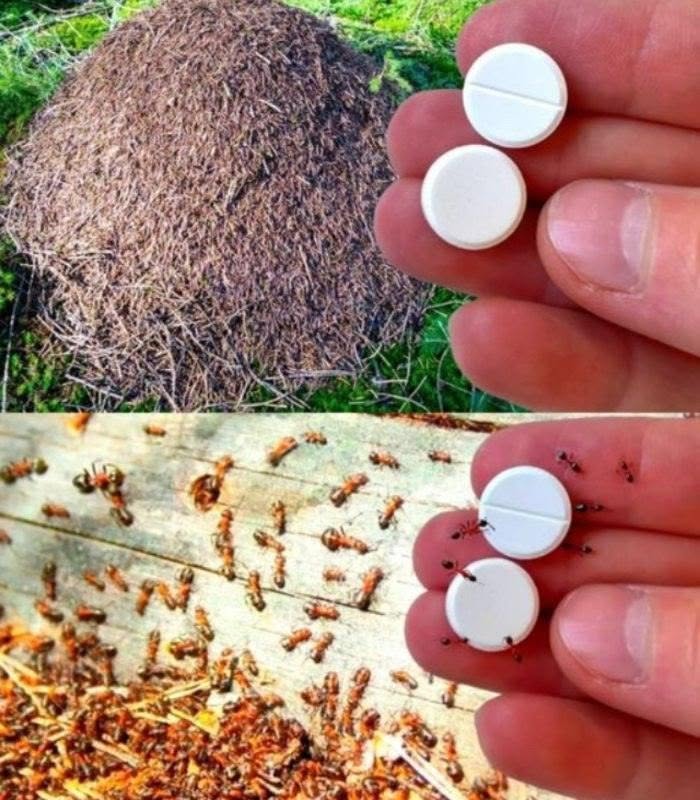
If you’re looking to get rid of ants without using chemical insecticides, there are several natural approaches that can be effective, especially when used together. The key is to eliminate what attracts them, block their trails, and discourage them from returning.
Here are some of the most effective methods:
1. Keep food sources out of reach
Ants are attracted to food and water.
- Wipe up crumbs and spills promptly.
- Store food in airtight containers.
- Rinse dishes soon after use.
- Empty trash regularly and keep the lid closed.
- Fix dripping faucets or other water sources.
2. Destroy scent trails
Ants leave behind pheromone trails that guide other ants.
- Clean surfaces with a solution of equal parts white vinegar and water.
- Alternatively, use warm soapy water to wipe down countertops, floors, and windowsills where ants travel.
3. Seal entry points
Inspect your home for:
- Cracks around windows and doors
- Gaps around pipes
- Small openings in walls or foundations
Seal these with caulk or weatherstripping to reduce new ants entering.
4. Use natural repellents
Many strong scents discourage ants. Try placing or spraying:
- White vinegar
- Lemon juice
- Peppermint essential oil (10–15 drops mixed with water)
- Tea tree oil
- Cinnamon
- Cloves
- Black pepper
Reapply every few days since the scents fade.
5. Diatomaceous earth (food grade)
Food-grade diatomaceous earth is a natural powder that damages ants’ outer coating, causing them to dehydrate.
- Sprinkle a thin layer along ant trails and entry points.
- Keep it dry for maximum effectiveness.
- Avoid inhaling the dust, and use only food-grade—not pool-grade—diatomaceous earth.
6. Boiling water for outdoor nests
If you locate an outdoor ant nest in your yard:
- Carefully pour boiling water directly into the nest entrance.
- This may need to be repeated for large colonies.
Avoid using boiling water near desirable plants, as it can damage roots.
7. Coffee grounds
Used coffee grounds may help deter some ant species when scattered around garden beds or entry points, though scientific evidence for their effectiveness is mixed.
8. Citrus peels
Orange or lemon peels placed near entry points may temporarily discourage ants because of the oils they contain. They work best as a supplement rather than a standalone solution.
9. Borax-based bait (use with caution)
Although borax is a naturally occurring mineral, it is still toxic if ingested by people or pets and should not be considered harmless.
- Mixing a small amount of borax with sugar can create a bait that worker ants carry back to the colony.
- Keep it completely out of reach of children and pets.
- If safety is a concern, it’s better to stick with non-toxic deterrents like vinegar and sealing entry points.
Long-term prevention
- Trim tree branches and shrubs that touch your home.
- Keep mulch and firewood away from the foundation.
- Reduce standing water around the property.
- Regularly inspect for new entry points.
Using several of these methods together is usually much more effective than relying on just one. If an infestation persists despite these measures, the colony may be located inside walls or under the foundation, and professional pest control may be needed.
