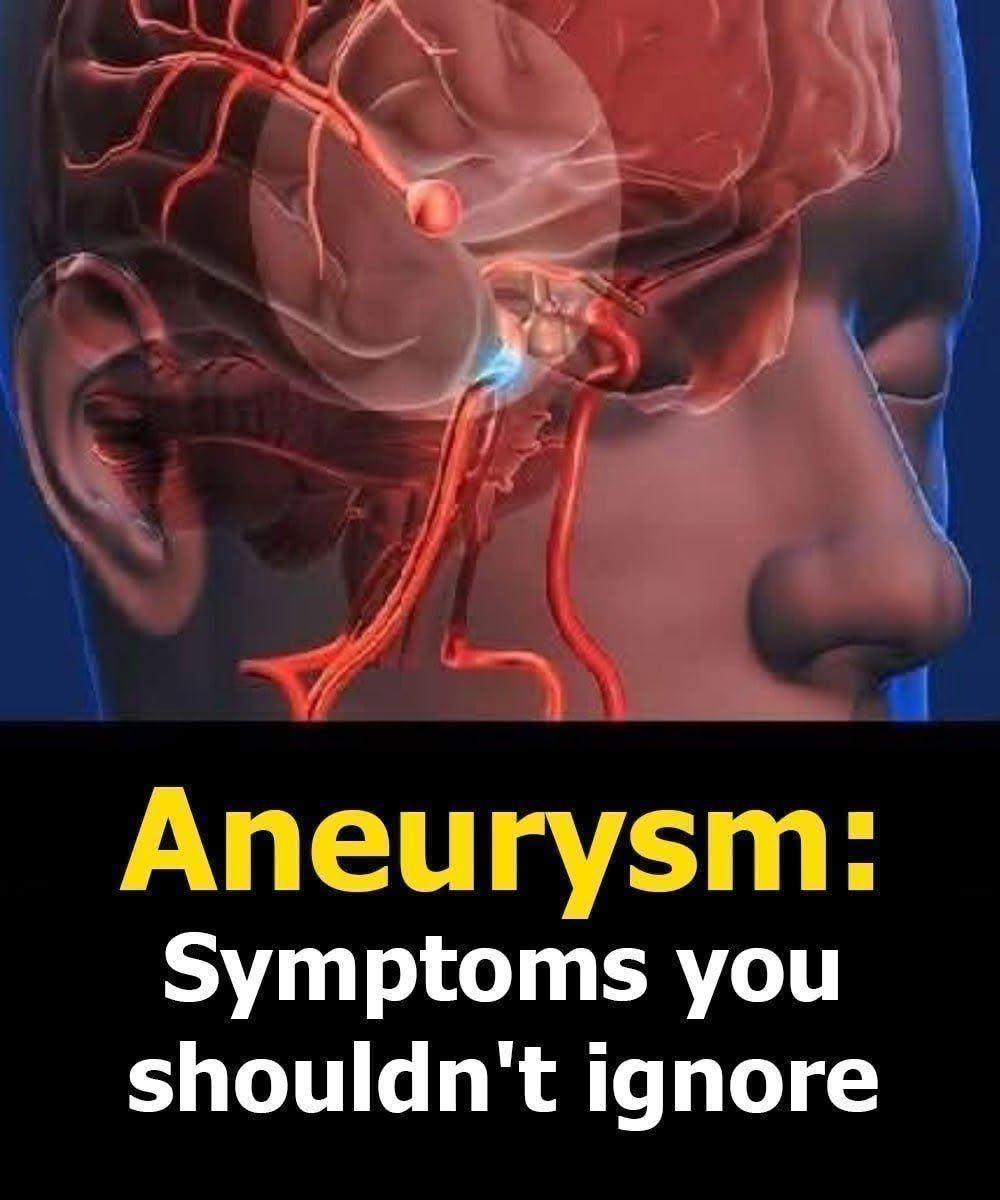
An aneurysm is a weakened area in a blood vessel wall that can bulge and, in some cases, rupture. Many aneurysms cause no symptoms until they become serious, which is why certain warning signs should not be ignored.
Possible warning signs of an aneurysm
Brain (cerebral) aneurysm
A ruptured brain aneurysm is a medical emergency. Warning signs can include:
- Sudden, severe “worst headache of your life”
- Neck stiffness
- Nausea or vomiting
- Sensitivity to light
- Confusion, fainting, or loss of consciousness
- Seizures
- Weakness, numbness, facial drooping, or trouble speaking
Aortic aneurysm (large artery in the chest or abdomen)
Possible symptoms may include:
- Sudden, severe pain in the chest, back, or abdomen
- A feeling of tearing or ripping pain (especially with aortic dissection)
- Shortness of breath or difficulty breathing
- Dizziness, fainting, or rapid heartbeat
- A pulsating feeling or mass in the abdomen (sometimes)
Risk factors that increase the chance of aneurysm
- High blood pressure
- Smoking
- Family history of aneurysms
- Older age
- Certain inherited connective tissue disorders
- Atherosclerosis (hardening of the arteries)
When to get emergency help
Seek emergency medical care immediately for:
- A sudden, explosive headache unlike any previous headache
- Sudden severe chest, back, or abdominal pain
- Fainting, confusion, seizures, or stroke-like symptoms
Many aneurysms can be found and monitored before they become dangerous. If you have risk factors or concerns, a healthcare professional can advise whether screening or imaging is appropriate.
