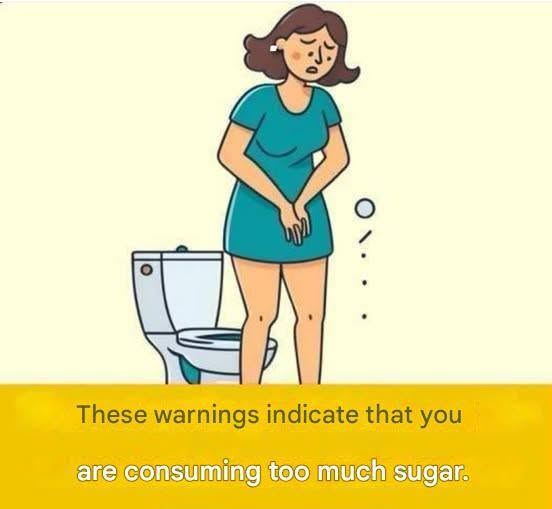
10 Warning Signs You May Be Eating Too Much Sugar
Eating some sugar is normal, but regularly consuming large amounts of added sugar can affect energy levels, teeth, metabolism, and overall health. The body’s response varies from person to person, so these signs are not proof of excess sugar intake by themselves.
1. Frequent energy crashes
You may feel a quick boost after sugary foods followed by tiredness or low energy.
2. Strong cravings for sweets
Regularly eating high-sugar foods can reinforce cravings, making it harder to feel satisfied without them.
3. Increased hunger
Foods high in added sugar often provide calories without much fiber or protein, which may leave you feeling hungry again soon.
4. Tooth problems
Frequent sugar exposure increases the risk of cavities because mouth bacteria use sugar to produce acids that damage tooth enamel.
5. Weight gain
High intake of sugary drinks, desserts, and processed foods can contribute to taking in more calories than your body needs.
6. Mood changes
Some people notice irritability or mood swings when they consume lots of sugar or experience blood sugar fluctuations.
7. Difficulty concentrating
Energy swings and poor overall diet quality may affect focus and mental sharpness.
8. Increased thirst or frequent urination
These can be signs of high blood sugar and should not be ignored, especially if persistent.
9. Skin changes
Some people notice more acne or skin issues with diets high in refined carbohydrates and added sugars.
10. Relying on sugary foods for energy
Needing sweets or sweet drinks to get through the day may be a sign your diet needs more balanced sources of energy.
Ways to reduce added sugar
- Choose water instead of sugary drinks.
- Read labels for added sugars.
- Eat more protein and fiber-rich foods to stay full.
- Replace desserts with fruit more often.
- Reduce sugar gradually to make changes easier.
If you have persistent thirst, frequent urination, unexplained weight loss, or unusual fatigue, it’s worth discussing with a healthcare professional, as these can be signs of diabetes or other health issues.
