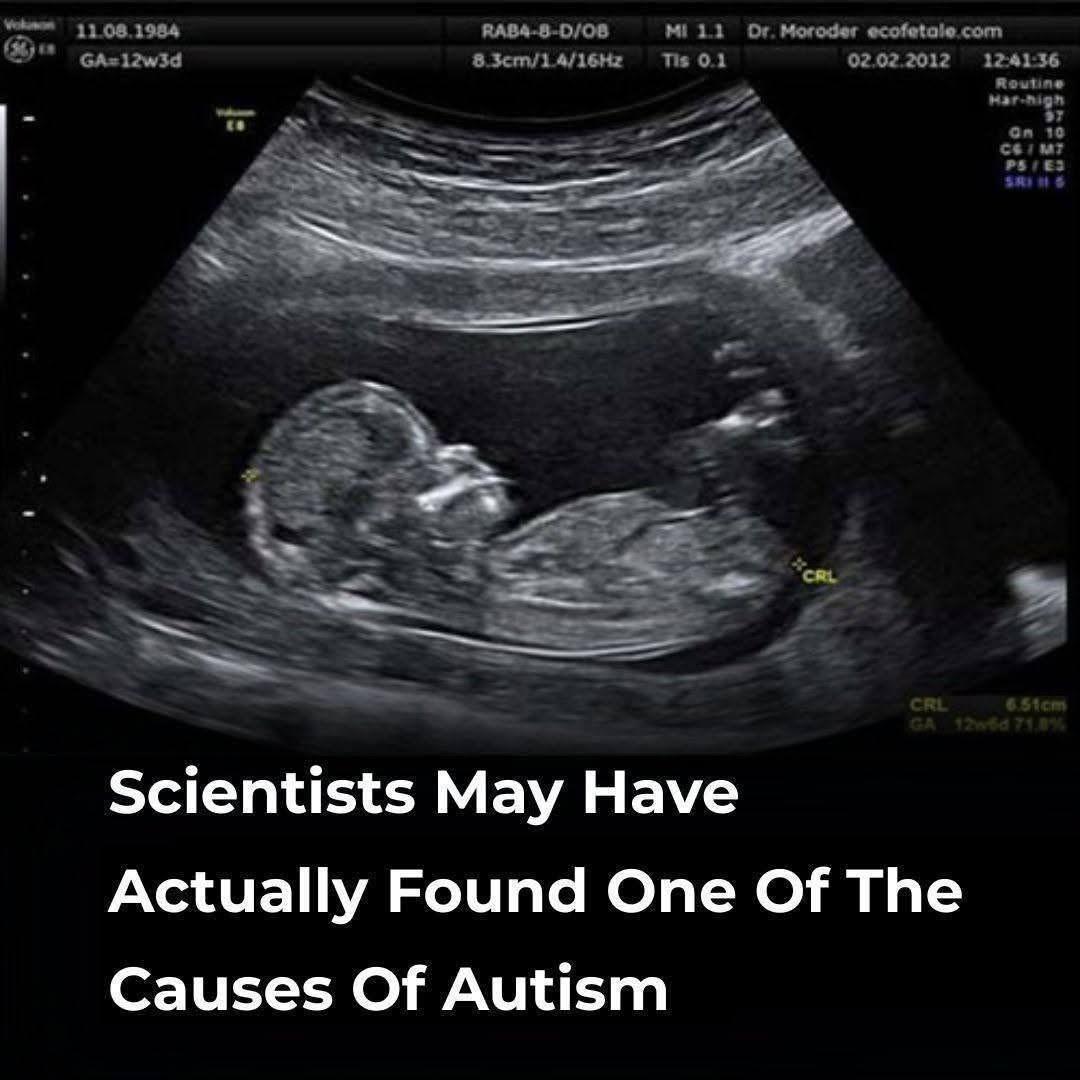
Research has explored whether maternal gut health during pregnancy may influence a child’s risk of autism, but the science is still developing. Headlines about this topic can make the connection sound more certain than it is.
What researchers are investigating
Scientists are studying the gut microbiome (the community of bacteria and other microbes in the digestive system) and how it may interact with:
- The immune system
- Inflammation
- Metabolism
- Chemical signals that can affect the developing fetus
Some animal studies and human observational studies have found associations between differences in maternal gut microbes, immune activity, and neurodevelopmental outcomes. However, these studies do not prove that gut health causes autism.
What we know about autism
- Autism is a complex neurodevelopmental condition influenced by many genetic and environmental factors.
- Genetics plays a major role.
- There is no single cause, and there is no proven diet, supplement, or gut treatment that prevents or cures autism.
What may support healthy pregnancy and gut health
General health measures that benefit many pregnant people include:
- Eating a varied diet with fruits, vegetables, whole grains, and adequate protein
- Getting enough fiber and fluids
- Following recommended prenatal care
- Taking prenatal vitamins as advised by a healthcare professional
- Avoiding unnecessary antibiotics unless prescribed
Scientists are continuing to study the gut–brain connection, but current evidence does not support claims that improving a mother’s gut health can prevent autism.
