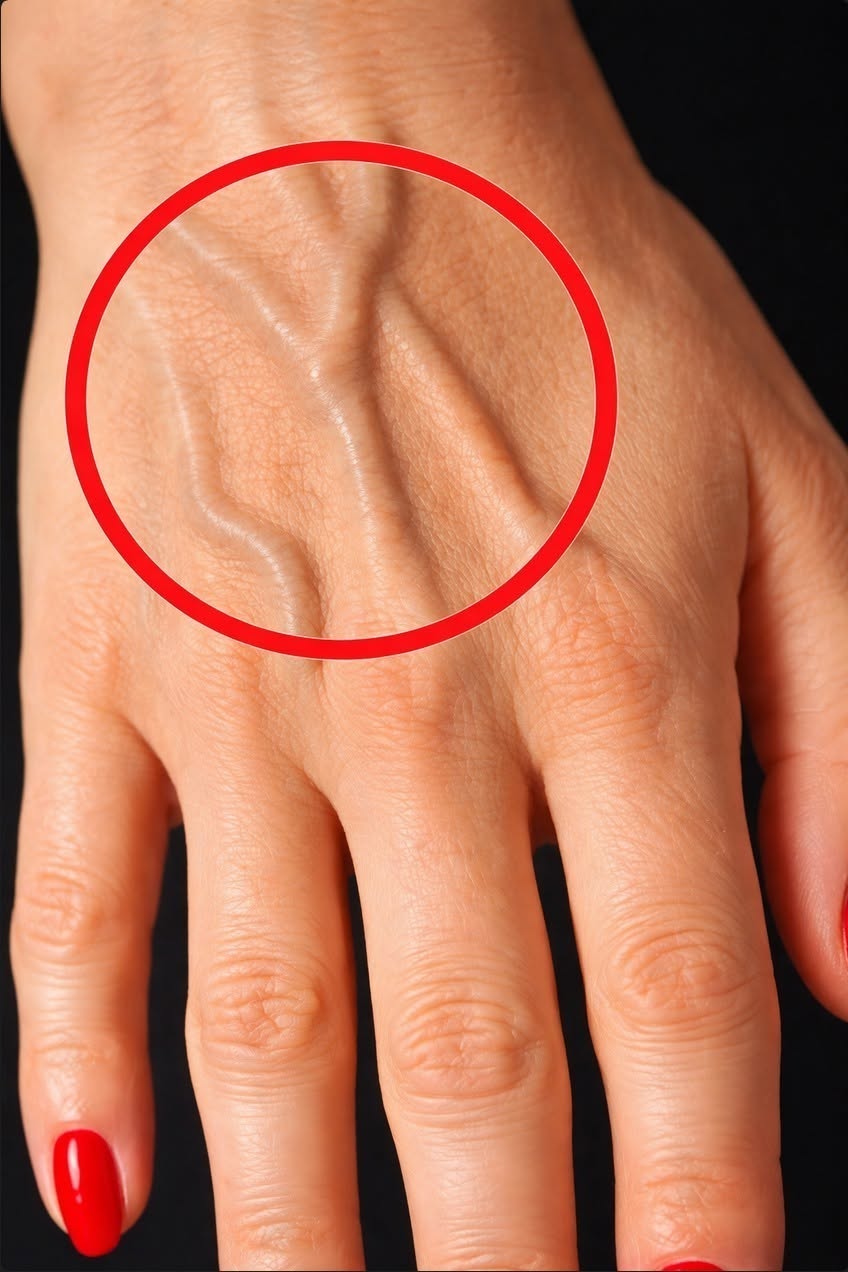
If Your Veins Are Visible, What Does It Mean?
Visible veins are common and, in many cases, completely normal. They can become more noticeable for several reasons, including your skin tone, body composition, age, exercise habits, and even the temperature. While prominent veins are usually harmless, they can sometimes signal an underlying health condition that may need medical attention.
Why Are My Veins So Visible?
Veins carry blood back to your heart. In some people, they lie closer to the surface of the skin, making them easier to see.
Common reasons include:
1. Low Body Fat
People with lower body fat often have more noticeable veins because there is less tissue covering them. This is especially common among athletes and physically active individuals.
2. Fair or Thin Skin
If you have light-colored or naturally thin skin, veins may appear more prominent. As people age, the skin also becomes thinner, making veins easier to see.
3. Exercise
During physical activity, muscles require more oxygen-rich blood. Increased blood flow can temporarily enlarge veins, making them stand out more until your body returns to its resting state.
4. Warm Weather
Heat causes blood vessels to widen, allowing more blood to flow near the skin’s surface to help cool the body. As a result, veins may become more visible on hot days.
5. Aging
Over time, skin loses collagen and elasticity. Combined with reduced fatty tissue under the skin, this natural aging process can make veins more noticeable.
6. Genetics
Some people simply inherit more visible veins. If your parents or close relatives have prominent veins, you may be more likely to have them as well.
When Visible Veins May Signal a Problem
Although visible veins are often harmless, you should seek medical advice if they are accompanied by:
- Pain or tenderness
- Swelling in the legs or ankles
- Redness or warmth over a vein
- Skin discoloration
- Bulging, twisted veins
- Leg heaviness or aching
- Open sores near the ankles
These symptoms could be associated with conditions such as varicose veins or other circulation problems.
Are Blue or Green Veins Normal?
Yes. Veins can appear blue, green, or purple because of the way light passes through your skin. The blood inside your veins is actually dark red, not blue.
Can You Prevent Prominent Veins?
While you can’t change your genetics or natural skin type, these healthy habits may support good circulation:
- Exercise regularly.
- Maintain a healthy weight.
- Avoid sitting or standing for long periods.
- Elevate your legs if you spend long hours on your feet.
- Stay hydrated.
- Wear compression stockings if recommended by your healthcare provider.
Frequently Asked Questions
Do visible veins mean I have poor circulation?
Not necessarily. Visible veins are often a normal variation and do not automatically indicate poor circulation.
Why do my veins show more after exercising?
Exercise increases blood flow to your muscles, temporarily making veins appear larger and more noticeable.
Can dehydration make veins more visible?
Mild dehydration can sometimes make veins appear more prominent, but many factors influence vein visibility.
Should I be worried if a new vein suddenly appears?
If a new visible vein is painless and you’re otherwise well, it may not be concerning. However, if it’s accompanied by pain, swelling, redness, warmth, or other unusual symptoms, it’s a good idea to have it evaluated by a healthcare professional.
Final Thoughts
Visible veins are usually a normal part of the body’s anatomy and are often influenced by factors such as age, skin type, body fat, exercise, and genetics. In most cases, they are nothing to worry about. However, if visible veins are associated with pain, swelling, skin changes, or other concerning symptoms, seek medical evaluation to rule out an underlying vascular condition.
Source: Original educational article based on guidance from vascular medicine resources, peer-reviewed medical literature, and information from organizations such as the American Heart Association and the Society for Vascular Surgery.
