That statement is misleading as written.
A colonoscopy is a medical procedure used to examine the colon (large intestine) using a flexible camera tube. It’s part of screening and diagnosis for conditions like colorectal cancer and is still considered an invasive procedure, even though it’s generally safe and routine.
There are new and evolving alternatives, but they don’t make traditional colonoscopy “non-invasive” in the way viral posts often imply:
🧪 What’s actually changing
- Sedation improvements: Many people are more comfortable during the procedure now.
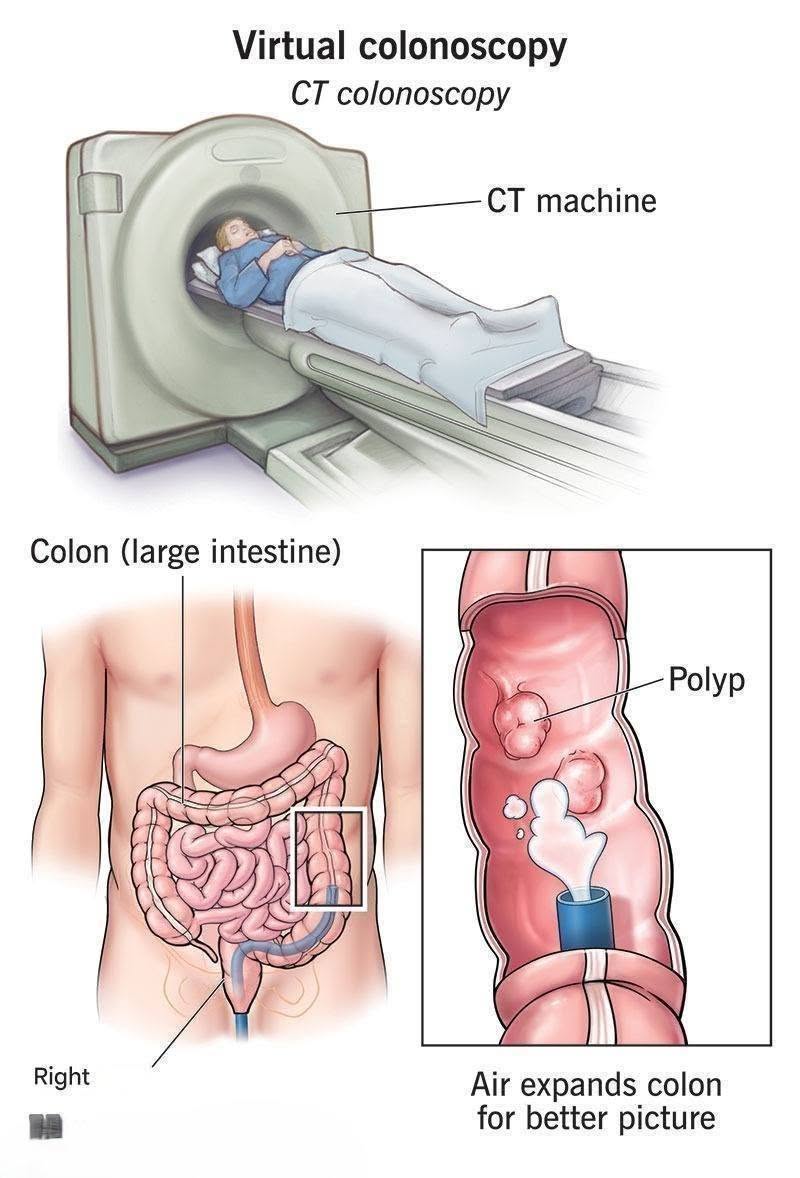
- CT colonography (virtual colonoscopy): Uses CT scans instead of a camera, but still requires bowel prep and is not a full replacement in all cases.
- Stool DNA tests (e.g., Cologuard-type tests): Non-invasive screening tools, but if abnormal, a real colonoscopy is still needed.
- Capsule endoscopy: A small swallowed camera capsule exists, but it is not yet a full replacement for colonoscopy in most screening guidelines.
⚠️ Key reality
Even with technology advances, doctors still rely on traditional colonoscopy because it:
- Directly visualizes the colon lining
- Allows biopsy (taking tissue samples)
- Can remove polyps immediately
That last part is important—non-invasive tests can detect problems, but they usually cannot treat them.
✔️ Bottom line
The idea that colonoscopy is “no longer invasive” is exaggerated. What’s actually happening is:
- More alternative screening options exist
- The experience is becoming more comfortable
- But the standard colonoscopy is still the most complete diagnostic tool
If you want, I can compare all current colon cancer screening methods in a simple table so you can see which one is used when.
