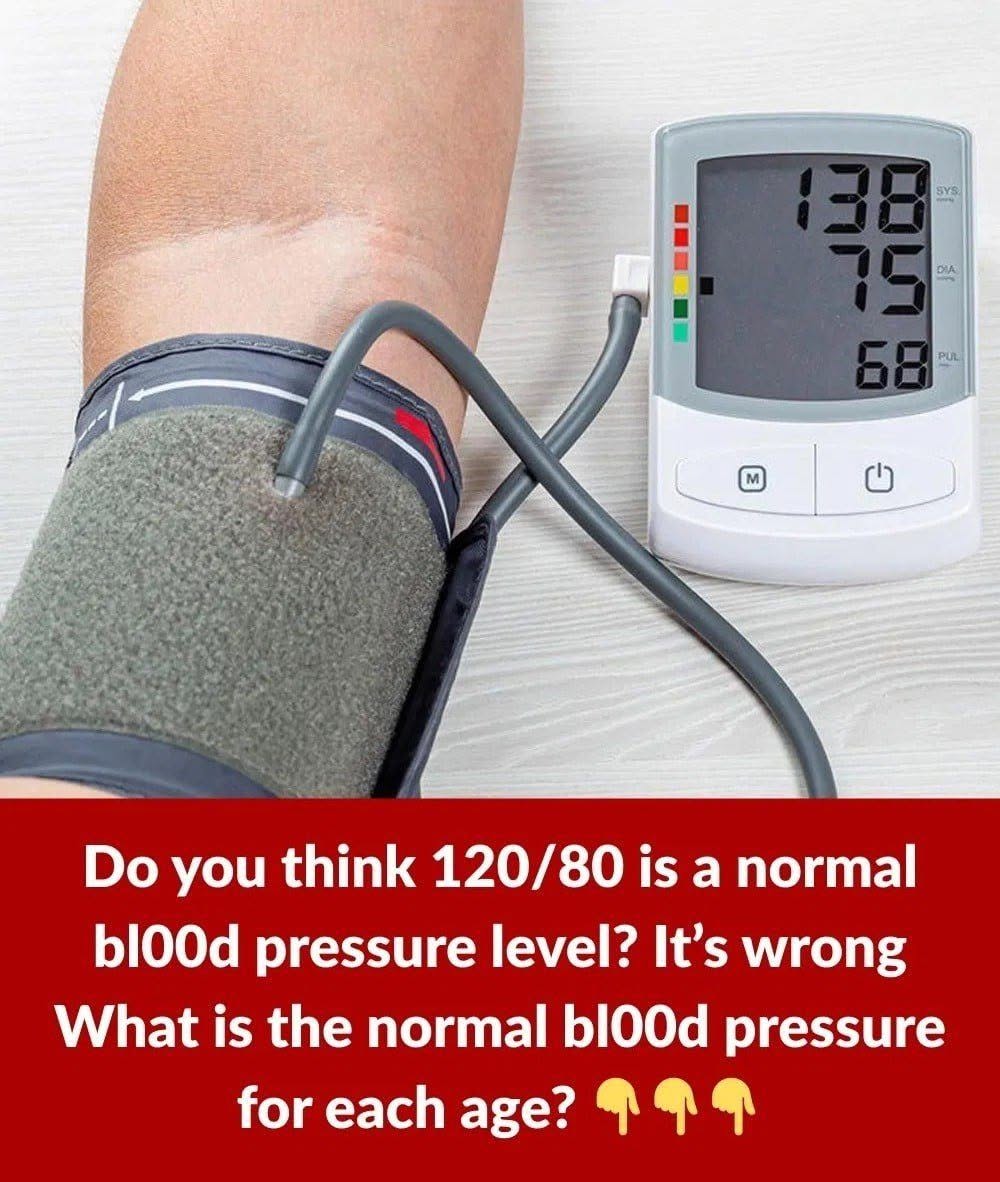
Blood pressure doesn’t have a perfectly different “normal” for every age, but it does shift slightly over time. Most medical guidelines today use a single healthy target for adults, then adjust concern levels based on risk factors rather than age alone.
Here’s a clear, age-based breakdown that reflects modern clinical understanding.
What Is Normal Blood Pressure for Each Age?
First: What Blood Pressure Numbers Mean
Blood pressure is written like this:
120/80 mmHg
- Top number (systolic): pressure when the heart beats
- Bottom number (diastolic): pressure when the heart rests
Normal Blood Pressure by Age Group
🧒 Children (1–12 years)
Normal ranges vary a lot by height and age, but generally:
- Normal: around 90/60 to 110/70 mmHg
- Higher readings need pediatric evaluation
🧑 Teenagers (13–19 years)
- Normal: about 110/70 to 120/80 mmHg
- Early signs of hypertension may start if consistently above 130/80
🧑 Adults (20–39 years)
- Normal: below 120/80 mmHg
- Elevated: 120–129 / less than 80
- High blood pressure: 130/80 or higher
🧑💼 Middle Age (40–59 years)
- Ideal: under 120/80 mmHg
- Slight increases become more common
- Consistent readings above 130/80 are considered hypertension
👴 Seniors (60+ years)
- Healthy target: usually below 130/80 mmHg (if tolerated)
- Some doctors may accept slightly higher systolic levels depending on health conditions
- Example acceptable range in some cases: up to ~140 systolic
Older adults may naturally have higher systolic pressure due to stiffening arteries, but this still needs monitoring.
Official Medical Categories (All Adults)
According to modern guidelines:
- Normal: <120 / <80
- Elevated: 120–129 / <80
- Hypertension Stage 1: 130–139 / 80–89
- Hypertension Stage 2: ≥140 / ≥90
- Crisis (urgent): >180 / >120
When Blood Pressure Becomes Dangerous
Seek medical care if:
- Readings are consistently above 140/90
- You experience chest pain or shortness of breath
- Severe headache or dizziness occurs
- Blood pressure suddenly spikes very high
Low Blood Pressure (Also Important)
Low BP is generally:
- Below 90/60 mmHg
It may be normal for some people, but symptoms matter more:
- Dizziness
- Fainting
- Fatigue
- Blurred vision
What Affects Blood Pressure
Blood pressure changes due to:
- Age and genetics
- Salt intake
- Stress levels
- Weight
- Exercise
- Diabetes
- Kidney health
- Medications
Example medications that affect BP:
- Amlodipine
- Lisinopril
- Hydrochlorothiazide
How to Maintain Healthy Blood Pressure
- Reduce salt intake
- Walk or exercise daily
- Maintain healthy weight
- Avoid smoking
- Limit alcohol
- Manage stress
- Sleep well
Final Thoughts
There isn’t a completely separate “normal blood pressure” for every age. Instead, modern medicine uses a general healthy target—usually around 120/80 mmHg or lower for most adults—while considering individual health conditions for older adults.
Regular monitoring is the most important step, especially after age 40.
If you want, I can also give you:
✔ Blood pressure chart image-style table
✔ Foods that naturally lower BP
✔ Symptoms of high BP most people ignore
✔ Best home BP monitors in 2026
