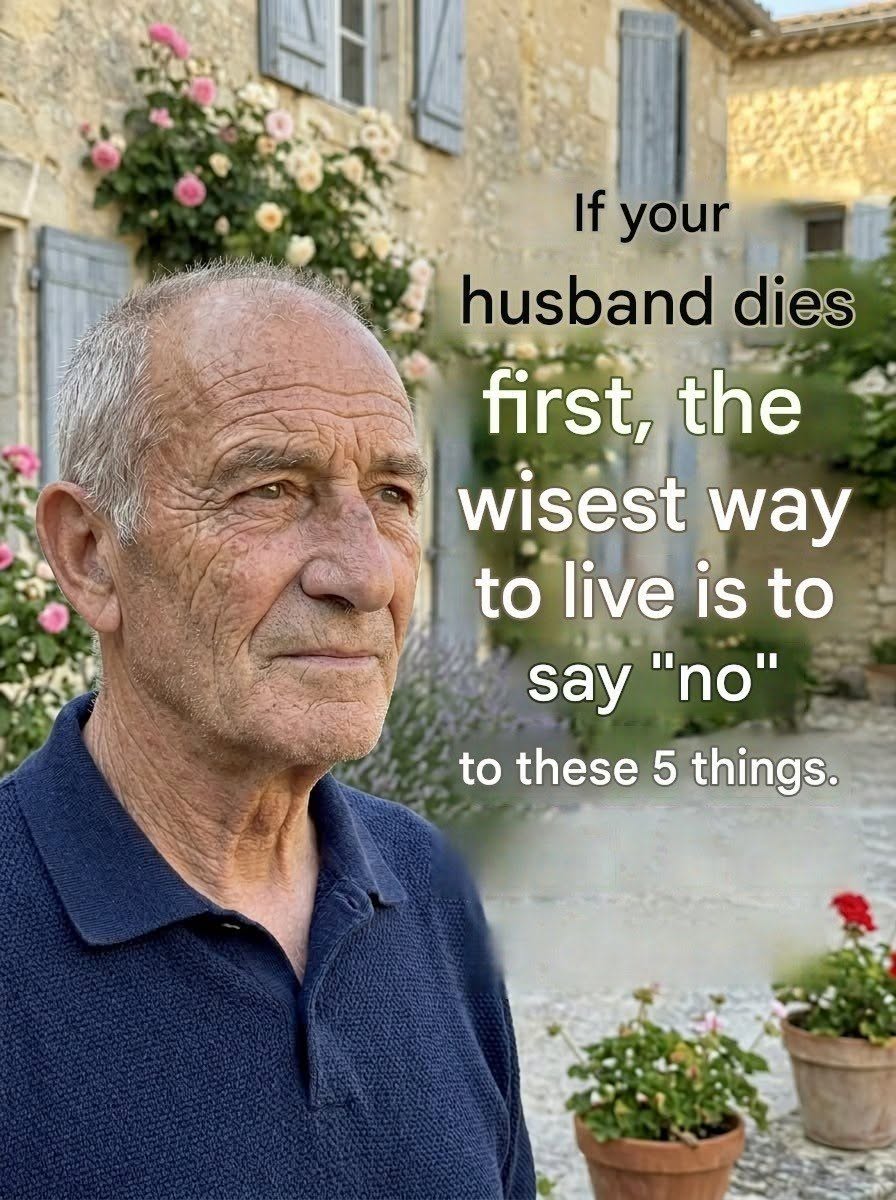
If Your Partner Dies First — Avoid These 5 Mistakes to Live Peacefully and Fully After 60
Losing a life partner after decades together is one of the most emotionally challenging experiences a person can face. After 60, this loss can feel especially overwhelming because routines, companionship, and shared responsibilities suddenly change.
While grief is natural and personal, there are some common mistakes that can make recovery harder. Avoiding them may help you gradually rebuild stability, emotional balance, and a sense of purpose.
1. Isolating Yourself Completely
One of the most common reactions after losing a partner is withdrawing from family, friends, and social activities.
While some alone time is necessary for grieving, long-term isolation can lead to:
- Deepened sadness
- Increased anxiety
- Loss of motivation
- Decline in physical health
Healthier approach:
Stay connected, even in small ways:
- Talk to family regularly
- Join community groups or senior activities
- Maintain at least one daily social interaction
Human connection plays a major role in emotional recovery.
2. Ignoring Your Physical Health
Grief can affect appetite, sleep, and energy levels. Some people stop caring for their health altogether, which can worsen emotional stress.
Common risks include:
- Poor nutrition
- Irregular sleep
- Skipping medications
- Reduced physical activity
Healthier approach:
- Eat simple, balanced meals
- Take prescribed medicines consistently
- Walk or do light exercise daily
- Keep regular medical checkups
3. Making Major Life Decisions Too Quickly
After a major loss, emotional judgment can be affected. Some people rush into decisions such as:
- Selling property
- Moving cities
- Giving away possessions
- Financial restructuring
Healthier approach:
Give yourself time. Major decisions are best made after emotions stabilize, often months later, not immediately after loss.
4. Suppressing Grief Instead of Processing It
Some people try to “stay strong” by avoiding grief altogether. However, unprocessed grief can later appear as:
- Depression
- Irritability
- Sleep disturbances
- Emotional numbness
Healthier approach:
- Allow yourself to feel emotions
- Talk to trusted people
- Write down thoughts or memories
- Consider grief counseling if needed
Grief is not weakness—it is a natural response to loss.
5. Losing Sense of Purpose
After decades of shared life, it is common to feel a loss of direction. Some people stop engaging in activities they once enjoyed.
This can lead to:
- Emotional stagnation
- Loneliness
- Reduced motivation to care for oneself
Healthier approach:
Gradually rebuild meaning through:
- Hobbies or learning new skills
- Volunteering or community work
- Spiritual or reflective practices
- Spending time with grandchildren or younger family
Purpose does not replace loss—it helps you move forward with it.
💡 Gentle Coping Strategies That Help
- Keep a daily routine
- Stay physically active, even lightly
- Talk about memories when you feel ready
- Avoid alcohol or unhealthy coping habits
- Seek support groups if available
🧠 Final Thoughts
Losing a partner later in life is deeply painful, and there is no fixed timeline for healing. However, avoiding isolation, taking care of your health, delaying major decisions, allowing grief, and rebuilding purpose can help you live more peacefully and meaningfully after 60.
Healing does not mean forgetting—it means learning how to continue life with love, memory, and resilience.
Source: Original educational article based on geriatric psychology principles, grief counseling practices, and general mental health guidance for older adults.
