How to Make a Homemade Herbicide: Safer Weed-Control Options
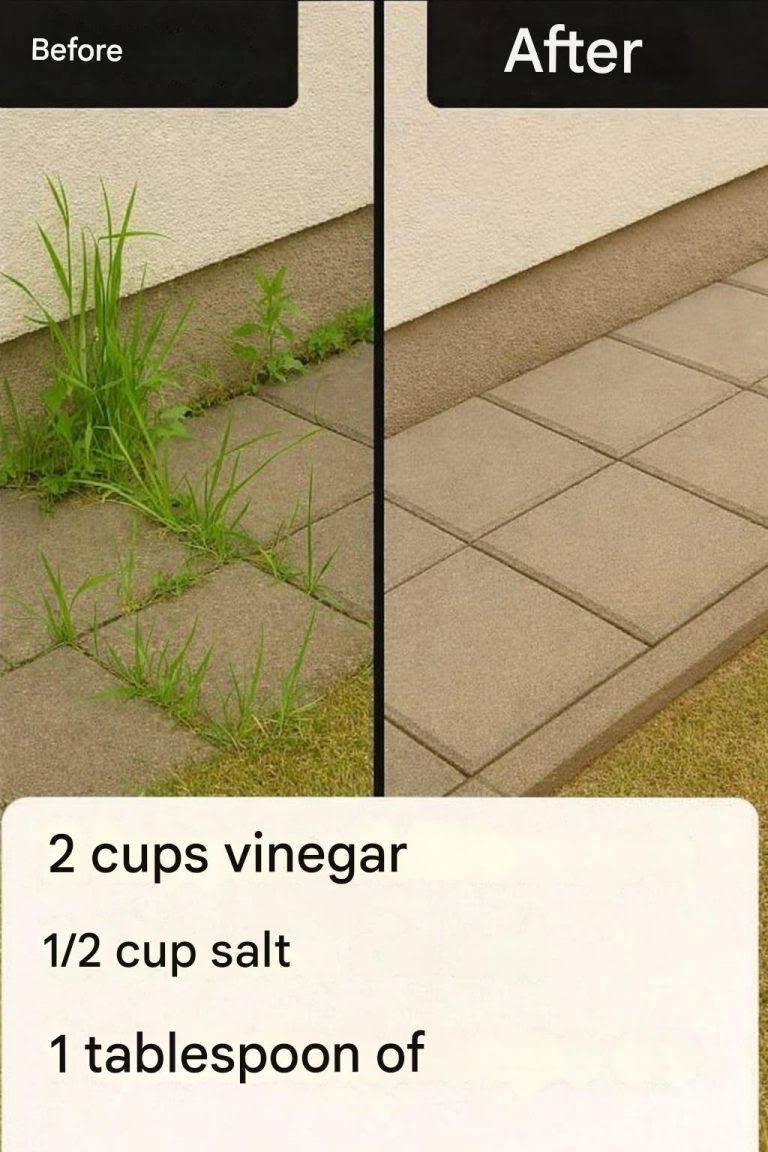
Many homemade weed-killer recipes online claim to be “super effective,” often using ingredients like vinegar, salt, or dish soap. These mixtures can sometimes damage or kill plants, but they can also harm soil, nearby plants, beneficial organisms, and surfaces if used incorrectly.
If you want a lower-impact approach, consider these options:
1. Boiling water (simple spot treatment)
For weeds growing in places like:
- Cracks in sidewalks
- Driveways
- Gravel areas
Carefully pour boiling water directly onto the weed roots. It works by damaging plant tissues.
Avoid using it near plants you want to keep.
2. Mulch to block weeds
A thick layer of organic mulch can reduce weed growth by blocking sunlight.
Examples:
- Wood chips
- Straw
- Compost
- Leaves
3. Hand removal with the right technique
For long-term results:
- Pull weeds when the soil is moist.
- Remove as much of the root as possible.
- Repeat before weeds produce seeds.
4. Improve garden conditions
Healthy plants compete better with weeds. Helpful practices include:
- Proper watering
- Adding compost to improve soil
- Planting ground covers
- Maintaining healthy lawn density
About Vinegar-Based Sprays
Household vinegar may burn the leaves of some weeds, but it often does not kill deep roots, especially on established perennial weeds. Stronger vinegar products can also be hazardous and may damage soil life.
Avoid Using Salt as a Weed Killer
Salt can:
- Build up in soil
- Prevent future plant growth
- Harm nearby vegetation
- Affect soil health for a long time
Bottom line: The best weed-control method depends on where the weeds are growing. For patios and cracks, boiling water or careful spot treatments may work. For gardens and lawns, improving soil health, mulching, and targeted removal are usually safer long-term strategies.
