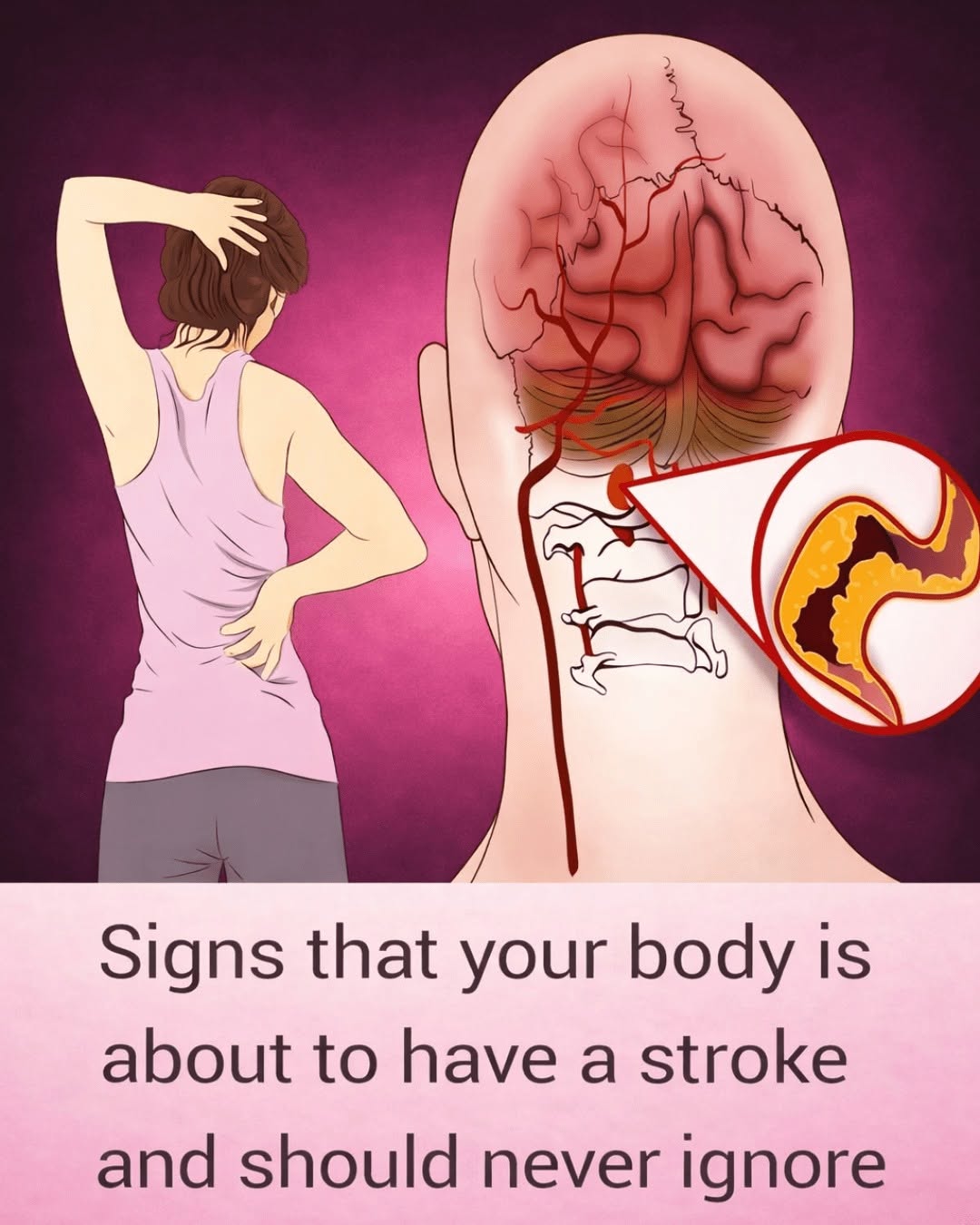
10 Early Warning Signs of a Stroke Everyone Should Know to Take Prompt Action
A stroke is a medical emergency that happens when blood flow to part of the brain is interrupted or reduced. Without oxygen and nutrients, brain cells begin to die within minutes. Recognizing early warning signs quickly can make the difference between full recovery, disability, or even survival.
Doctors often emphasize the FAST rule for stroke recognition, but there are several other important symptoms to watch for.
FAST: The Quick Test Everyone Should Remember
F – Face Drooping
One side of the face may suddenly droop or feel numb. Ask the person to smile—if it looks uneven, it may be a warning sign.
A – Arm Weakness
One arm may feel weak or drift downward when both arms are raised.
S – Speech Difficulty
Speech may become slurred, confused, or hard to understand.
T – Time to Call Emergency Help
If any of these signs appear, emergency medical care is needed immediately.
1. Sudden Numbness or Weakness
One of the most common early signs is sudden numbness or weakness, especially on one side of the body—face, arm, or leg.
2. Confusion or Trouble Understanding Speech
A person may suddenly:
- Become confused
- Struggle to follow conversations
- Have difficulty responding appropriately
3. Vision Problems
Stroke can affect eyesight, leading to:
- Blurred vision
- Double vision
- Loss of vision in one or both eyes
4. Sudden Severe Headache
A sudden, intense headache with no known cause can be a warning sign, especially in hemorrhagic strokes.
It may feel like:
- The worst headache of your life
- A sudden explosion of pain
5. Trouble Walking or Loss of Balance
A person may:
- Stagger or lose coordination
- Feel dizzy or unsteady
- Have difficulty standing or walking
6. Dizziness or Loss of Coordination
Sudden dizziness, especially when combined with other symptoms, should never be ignored.
7. Face Drooping or Uneven Smile
One side of the face may look uneven or feel weak. This is often one of the earliest visible signs.
8. Arm or Leg Weakness on One Side
Weakness or heaviness in one arm or leg that appears suddenly is a key warning sign.
9. Difficulty Speaking or Understanding Speech
Speech may become:
- Slurred
- Slow
- Nonsensical
The person may also have trouble understanding what others are saying.
10. Sudden Loss of Vision or Blurry Sight
Vision changes may happen suddenly and affect one or both eyes. This can be temporary or persistent.
When to Act Immediately
Call emergency services immediately if any stroke symptoms appear. Do not wait for symptoms to improve.
Time-sensitive treatment can significantly reduce brain damage.
Risk Factors for Stroke
Some factors increase stroke risk, including:
- High blood pressure
- Diabetes
- Smoking
- High cholesterol
- Obesity
- Heart disease
- Sedentary lifestyle
Example medication used to manage blood pressure:
- Amlodipine
Mini-Strokes (TIA) Warning
A transient ischemic attack (TIA) has similar symptoms but resolves quickly. Even if symptoms disappear, it is a serious warning sign that a full stroke may occur later.
How to Reduce Stroke Risk
- Control blood pressure
- Exercise regularly
- Eat a balanced diet
- Avoid smoking
- Limit alcohol
- Manage diabetes and cholesterol
- Take prescribed medications correctly
Final Thoughts
Stroke symptoms often appear suddenly and without warning. Recognizing the early signs—especially facial drooping, arm weakness, and speech difficulty—can save lives. Immediate medical attention is critical, even if symptoms improve.
Source: Original educational article based on clinical stroke guidelines from organizations such as the World Stroke Organization and American Stroke Association.
