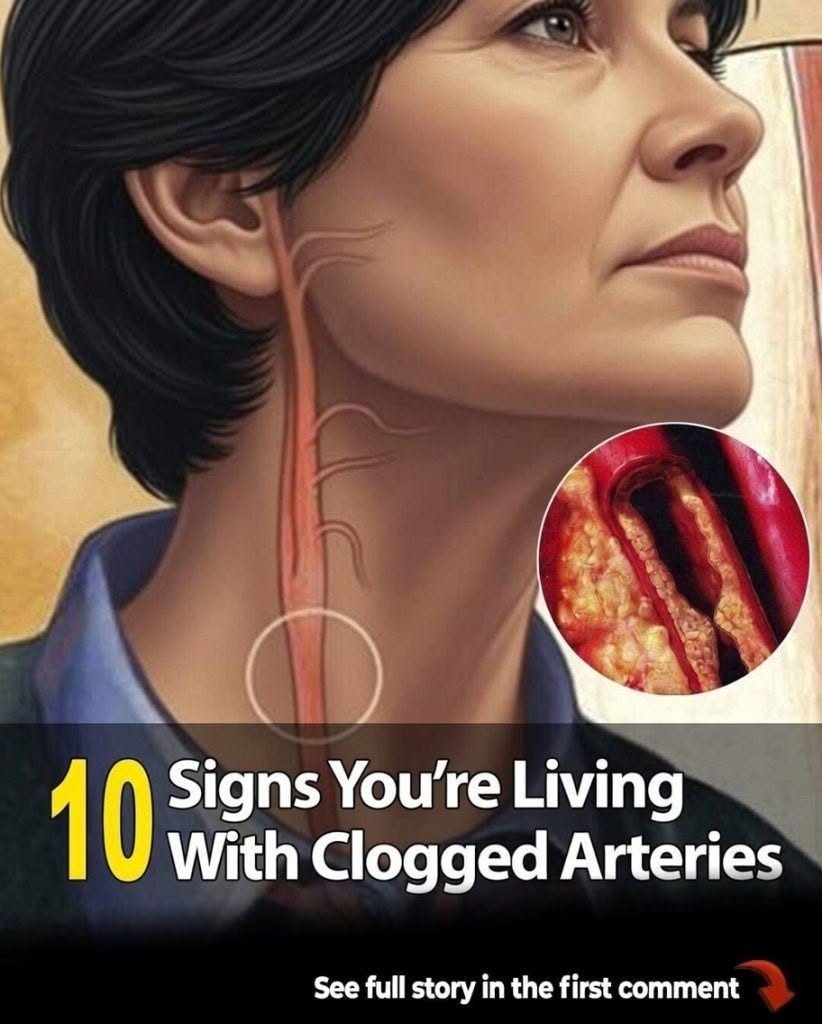
Blocked arteries (often caused by atherosclerosis, a buildup of plaque inside blood vessels) can sometimes develop silently. When symptoms appear, they may depend on which arteries are affected — heart, brain, legs, or elsewhere.
10 possible warning signs that should not be ignored:
- Chest pressure, tightness, or pain
- Especially during activity or stress, and especially if it spreads to the arm, jaw, neck, back, or shoulder.
- Shortness of breath
- Feeling unusually winded with normal activities can be a sign of reduced blood flow to the heart.
- Unusual fatigue
- Persistent tiredness, especially with exertion, may occur when the heart is not getting enough oxygen.
- Pain or cramping in the legs while walking
- Leg artery narrowing (peripheral artery disease) can cause pain that improves with rest.
- Cold feet or legs
- Reduced circulation can make a limb feel colder than the other side.
- Numbness, tingling, or weakness
- Reduced blood flow can affect nerves and tissues, particularly in the legs.
- Dizziness, confusion, or trouble speaking
- These can be warning signs of reduced blood flow to the brain and require urgent attention if sudden.
- Vision changes
- Temporary vision loss or sudden changes can be related to circulation problems.
- Slow-healing wounds (especially on the feet)
- Poor circulation can make injuries heal more slowly.
- Erectile dysfunction
- In some men, reduced blood flow in smaller arteries can be an early sign of broader vascular disease.
Seek emergency care immediately for symptoms such as sudden chest pain/pressure, severe shortness of breath, sudden weakness on one side of the body, facial drooping, or difficulty speaking.
Risk factors that increase the chance of artery blockage include smoking, high blood pressure, high cholesterol, diabetes, obesity, and a family history of heart disease. Regular checkups and appropriate testing can help detect problems before they become serious.
