10 Signs of Blocked Arteries You Shouldn’t Ignore
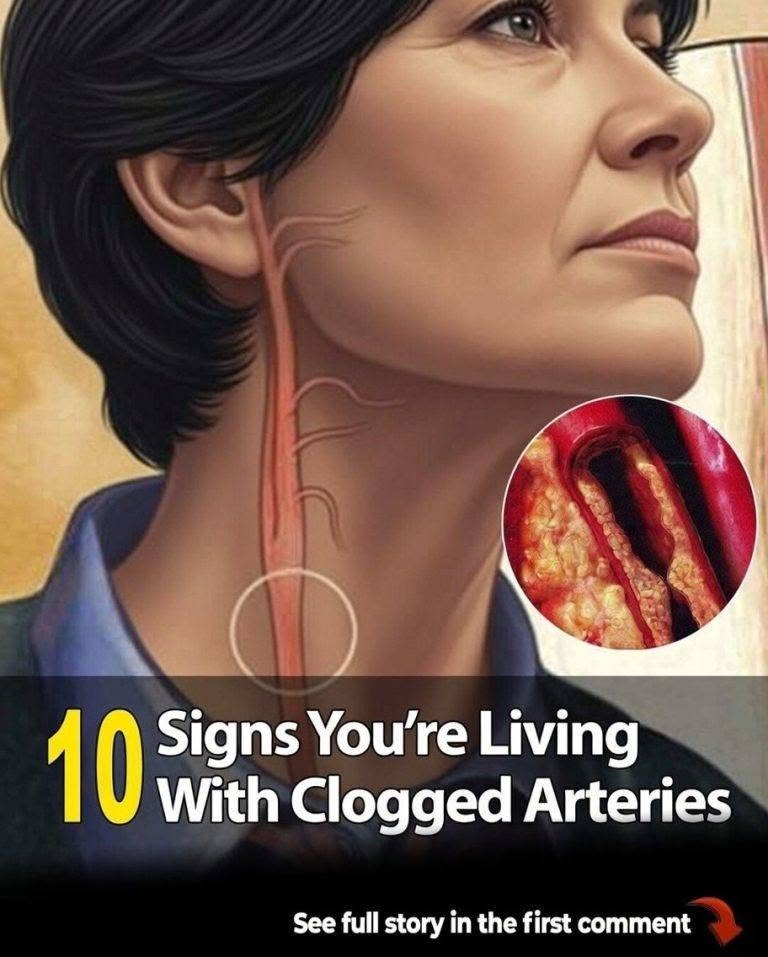
Blocked arteries, often caused by atherosclerosis (a buildup of cholesterol, fat, and other substances inside artery walls), may develop slowly over time. Some people have few symptoms until a blockage becomes severe, while others notice warning signs earlier.
The symptoms depend on which arteries are affected.
1. Chest Pain or Pressure (Angina)
A common warning sign of reduced blood flow to the heart is:
- Pressure, squeezing, heaviness, or tightness in the chest
- Discomfort that may spread to the arm, shoulder, neck, jaw, or back
- Symptoms triggered by exertion and relieved by rest
2. Shortness of Breath
If the heart is not receiving enough oxygen-rich blood, you may feel:
- Breathless during activity
- More tired than usual
- Unable to do activities you previously managed easily
3. Unusual Fatigue
Persistent tiredness—especially with activity—can sometimes be a sign that the heart is working harder than normal.
4. Leg Pain When Walking (Claudication)
Blocked arteries in the legs may cause:
- Cramping or aching in the calves, thighs, or hips
- Pain that improves after resting
5. Coldness or Numbness in the Legs or Feet
Reduced circulation may lead to:
- Cooler skin on one leg or foot
- Tingling or numbness
- Slower healing of cuts or sores
6. Dizziness or Lightheadedness
Reduced blood flow or heart-related problems can sometimes contribute to feeling faint or unsteady.
7. Erectile Dysfunction
In some men, difficulty achieving or maintaining an erection can be associated with blood vessel problems because smaller arteries may show signs of disease earlier.
8. Slow-Healing Wounds
Poor circulation, especially in the feet and legs, can make wounds heal more slowly.
9. Stroke Warning Symptoms
Blocked arteries supplying the brain can increase stroke risk. Seek emergency help for sudden:
- Face drooping
- Arm weakness
- Speech difficulty
- Vision changes
- Loss of balance
10. Irregular Heartbeat or Palpitations
While many causes are harmless, new or persistent palpitations—especially with chest discomfort, fainting, or shortness of breath—should be evaluated.
Emergency Warning Signs
Call emergency services immediately for:
- Chest pressure or pain lasting more than a few minutes
- Chest pain with sweating, nausea, or shortness of breath
- Sudden weakness on one side of the body
- Sudden trouble speaking or understanding speech
Ways to Support Artery Health
Helpful habits include:
- Controlling blood pressure and cholesterol
- Not smoking
- Exercising regularly
- Eating a heart-healthy diet
- Managing diabetes if present
- Maintaining a healthy weight
Bottom line: Blocked arteries can be silent, but symptoms such as chest pressure, unexplained shortness of breath, leg pain with walking, or stroke-like symptoms should never be ignored. Early evaluation can help reduce the risk of serious complications.
