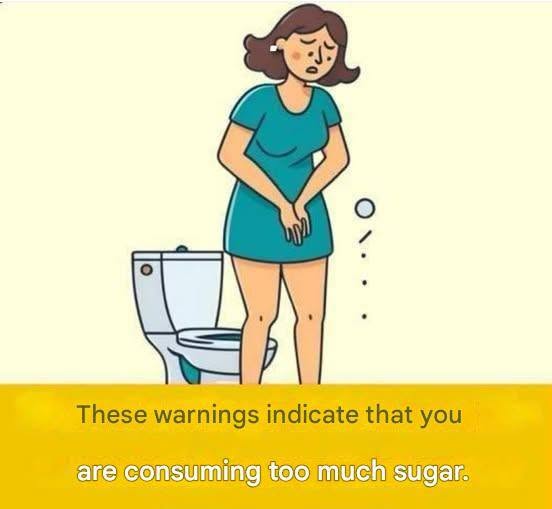
10 Warning Signs You’re Eating Too Much Sugar
Eating too much added sugar over time can affect your energy, appetite, teeth, and overall health. The body responds differently from person to person, but these signs may suggest you’re getting more sugar than your body needs.
1. Frequent energy crashes
- You may feel a quick burst of energy after sugary foods, followed by tiredness or sluggishness.
2. Strong sugar cravings
- Regularly wanting sweets or feeling like you “need” dessert after meals can be a sign of a high-sugar eating pattern.
3. Increased hunger
- Sugary foods can be less filling, which may leave you wanting to eat again soon after.
4. Weight gain (especially around the waist)
- Extra calories from sugary drinks and sweets can contribute to weight gain when consumed regularly.
5. More frequent thirst
- High sugar intake can affect fluid balance and may leave you feeling unusually thirsty.
6. Tooth problems
- Sugar feeds bacteria in the mouth, increasing the risk of cavities and tooth decay.
7. Mood changes
- Some people notice irritability or mood swings when their blood sugar rises and falls quickly.
8. Trouble sleeping
- Eating a lot of sugary foods, especially late at night, may interfere with sleep quality for some people.
9. Skin changes
- Some people notice more acne or skin inflammation with diets high in added sugars.
10. Feeling dependent on sweet foods
- If you find it difficult to cut back despite wanting to, it may be a sign your eating habits have become strongly tied to sugar.
Ways to reduce added sugar
✅ Choose water instead of sugary drinks.
✅ Read labels and look for added sugars.
✅ Eat more protein and fiber to stay full longer.
✅ Choose whole fruits instead of sweets for a naturally sweet option.
✅ Reduce sugar gradually to make changes easier to maintain.
Not all sugar is the same: naturally occurring sugars in foods like fruit and plain dairy come packaged with nutrients, while added sugars in sweets, soft drinks, and many processed foods are the main ones experts recommend limiting.
