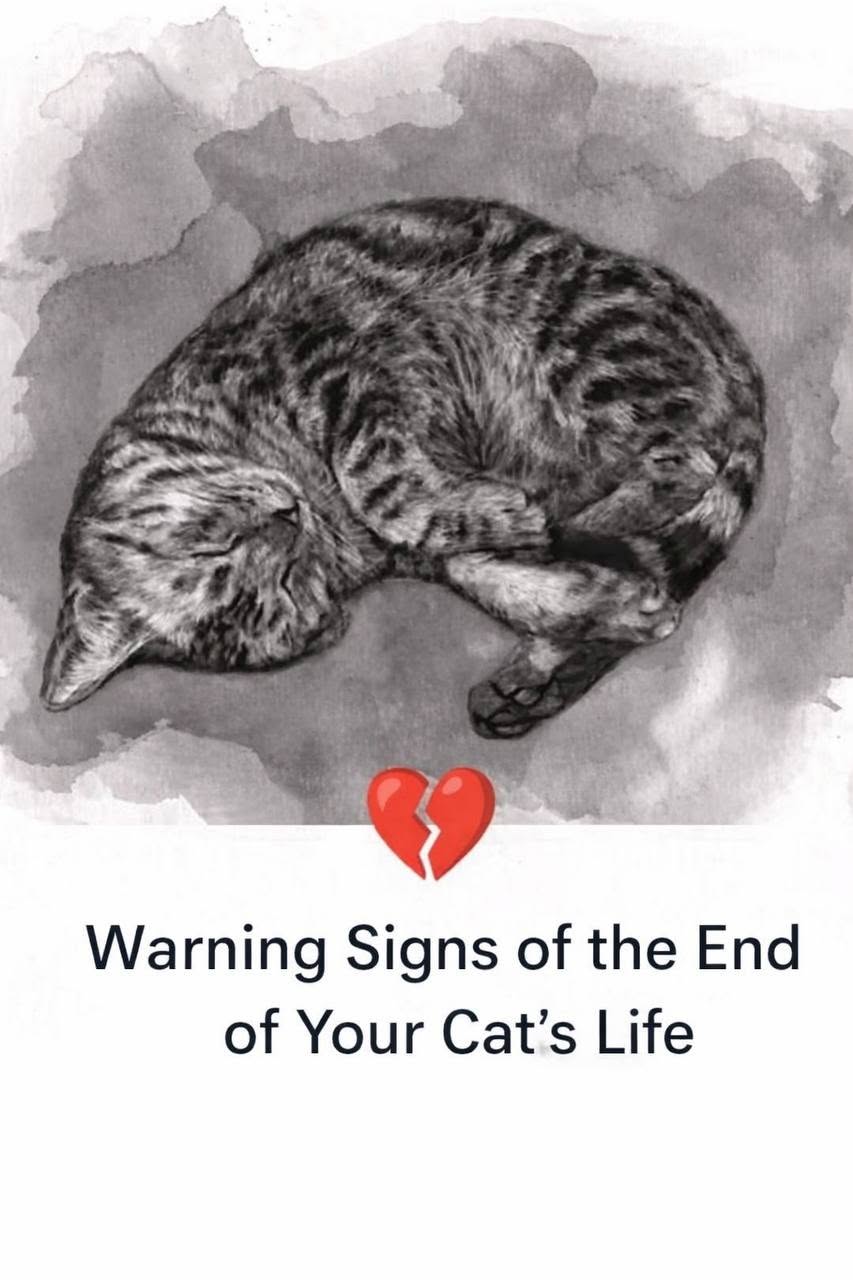
It can be very upsetting to worry that a cat may be nearing the end of its life. Many of the signs below can also occur with treatable illnesses, so they don’t necessarily mean a cat is dying. A veterinarian is the best person to determine what’s happening.
Possible signs that a cat is seriously ill or approaching the end of life include:
- Eating or drinking very little or not at all.
- Extreme weakness or difficulty standing and walking.
- Hiding more than usual or withdrawing from people and other pets.
- Labored or irregular breathing.
- Significant weight loss and muscle wasting.
- Loss of interest in grooming, play, or interaction.
- Confusion or disorientation.
- Loss of bladder or bowel control.
- Body temperature changes, such as feeling unusually cold, especially in the ears or paws.
- Persistent vomiting or diarrhea, particularly if severe.
- Unresponsiveness or inability to wake or interact normally.
Seek veterinary care urgently if your cat has:
- Difficulty breathing
- Repeated collapse or inability to stand
- Seizures
- Uncontrolled bleeding
- Severe pain
- Has stopped eating for more than a day, especially if accompanied by lethargy
Cats are very good at hiding illness, so changes in behavior, appetite, or activity are often important clues.
If you’re asking because your cat is showing some of these signs, tell me:
- Your cat’s age
- What symptoms you’ve noticed
- How long they’ve been going on
I can help you understand how urgent the situation may be and what information to give your veterinarian.
