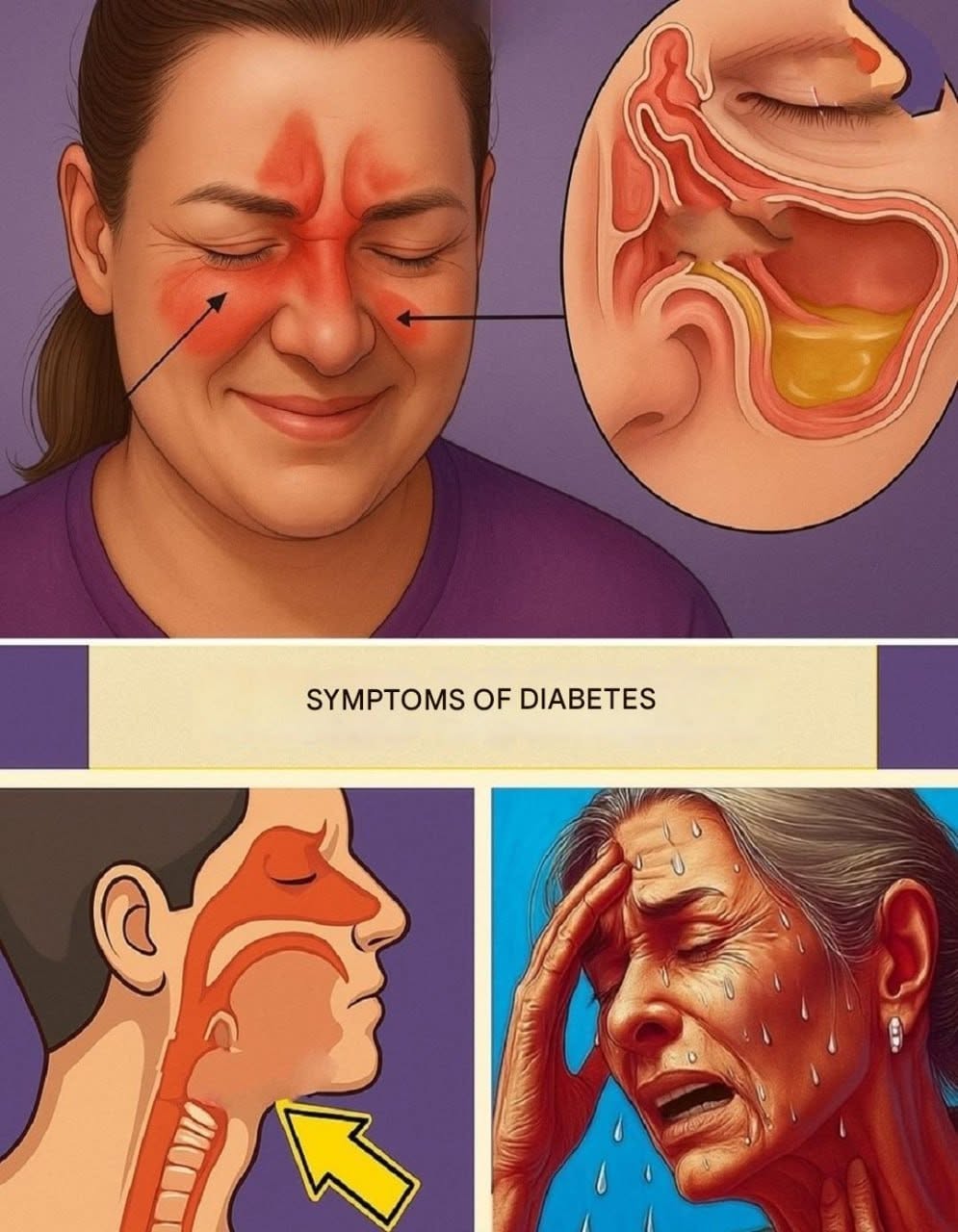
Diabetes can develop gradually, and some people may have few or no symptoms at first. These warning signs can suggest high blood sugar levels and are worth discussing with a healthcare professional, especially if you have risk factors such as family history, excess weight, high blood pressure, or a history of gestational diabetes.
7 warning signs of hidden diabetes
- Frequent urination
- High blood sugar can cause the kidneys to remove extra glucose through urine, leading to more trips to the bathroom (often including at night).
- Increased thirst
- Losing more fluid through urination can make you feel unusually thirsty.
- Unexplained tiredness
- When glucose cannot enter cells properly, the body may have less available energy.
- Blurred vision
- Changes in blood sugar can affect the lens of the eye and cause temporary vision changes.
- Slow-healing cuts or frequent infections
- High blood sugar can affect immune function and circulation, making healing more difficult.
- Increased hunger despite eating
- The body may not be using glucose effectively, which can trigger persistent hunger.
- Tingling or numbness in hands or feet
- Long-term high blood sugar can damage nerves, causing a “pins and needles” sensation (diabetic neuropathy).
When to get checked
A blood test such as fasting blood glucose or HbA1c can help identify diabetes or prediabetes. Seek medical advice sooner if symptoms are new, worsening, or accompanied by unexplained weight loss, severe weakness, vomiting, or confusion.
Managing diabetes early can greatly reduce the risk of complications involving the heart, kidneys, eyes, and nerves.
