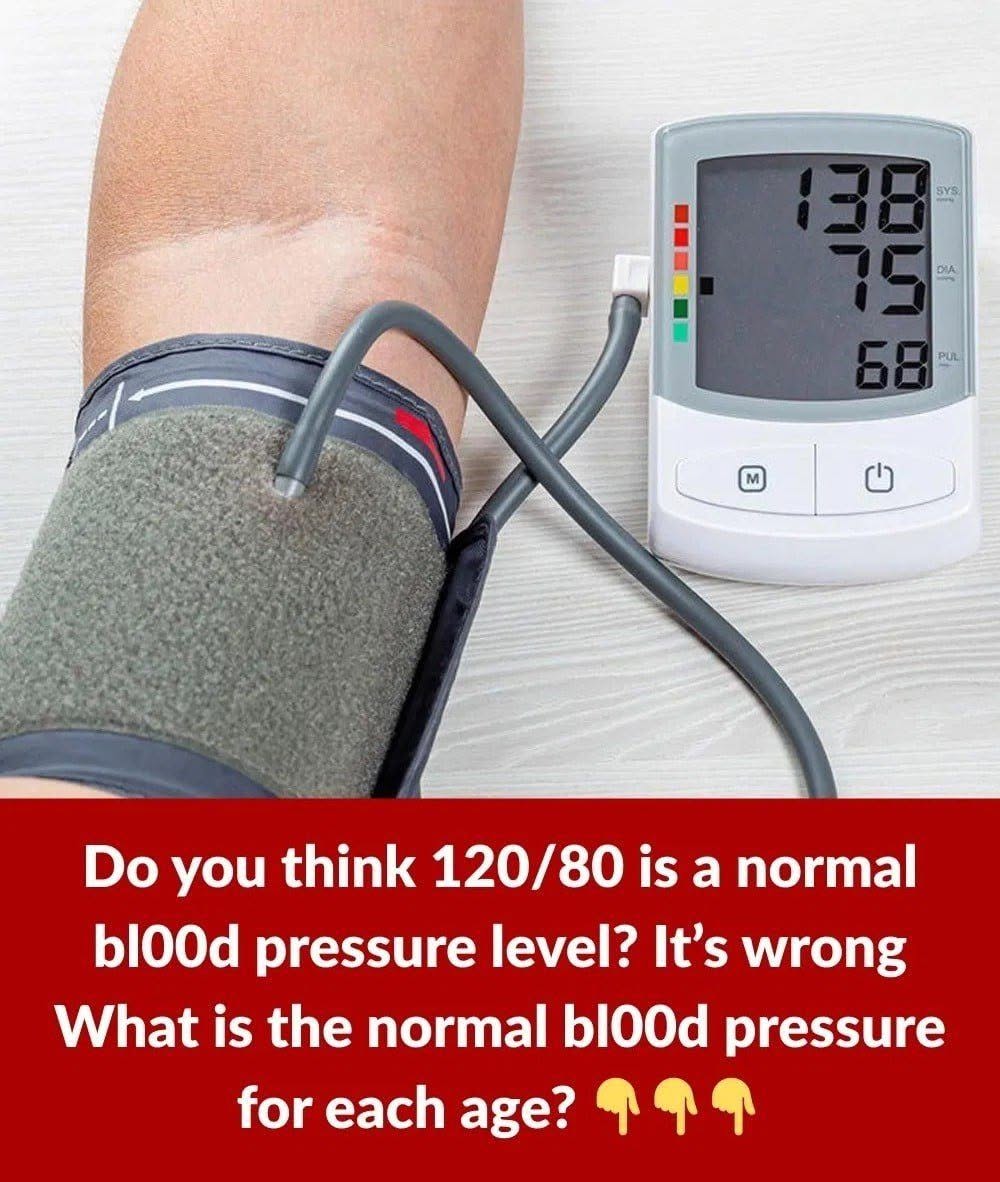
There is not a different “normal” blood pressure number for every age. For most adults, health organizations generally consider below 120/80 mmHg to be a normal blood pressure range, although personal targets may vary based on health conditions.
Typical blood pressure ranges by age
| Age group | Approximate normal range |
|---|---|
| Newborns | About 60–90 / 20–60 mmHg |
| Infants (1–12 months) | About 80–100 / 55–65 mmHg |
| Children (1–5 years) | About 95–110 / 60–75 mmHg |
| Children (6–12 years) | About 100–120 / 60–75 mmHg |
| Teenagers (13–17 years) | Usually below 120/80 mmHg |
| Adults (18+ years) | Ideally below 120/80 mmHg |
| Older adults (65+) | Often still aim for around below 130/80 mmHg, depending on overall health |
Adult blood pressure categories
- Normal: Less than 120/80
- Elevated: 120–129 and less than 80
- High blood pressure (Stage 1): 130–139 or 80–89
- High blood pressure (Stage 2): 140/90 or higher
- Emergency level: 180/120 or higher, especially with symptoms such as chest pain, severe headache, weakness, confusion, or trouble breathing
Blood pressure naturally changes throughout the day and can be affected by stress, activity, caffeine, illness, and medications. A single high reading does not always mean you have hypertension—repeated measurements are usually needed.
If you share your age and your blood pressure reading (for example, 135/85), I can help interpret whether it is in a healthy range.
