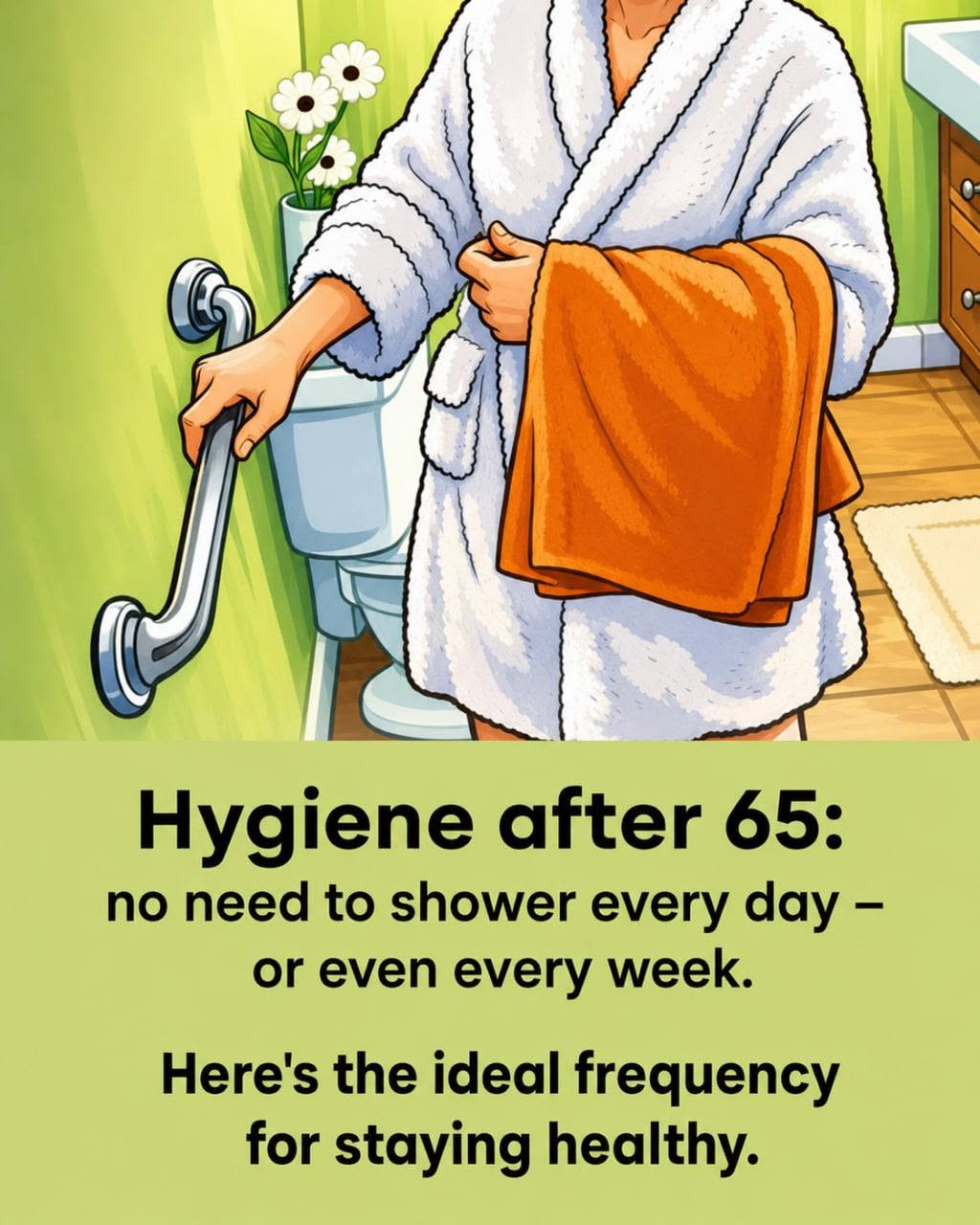
Daily showers are not automatically harmful after age 65, but some older adults may find that showering too often—especially with hot water and harsh soaps—can contribute to skin problems. As we age, skin naturally becomes thinner, drier, and less able to retain moisture.
Here are some reasons frequent showers may cause issues:
- Dry, itchy skin
- Hot water and frequent washing can remove natural oils that protect the skin, leading to dryness, flaking, and itching.
- Skin irritation
- Strong soaps, fragrances, and scrubbing can irritate sensitive aging skin and worsen conditions like eczema.
- Increased fall risk
- Bathrooms can be slippery, and older adults may have a higher risk of falls when bathing, especially if they have balance or mobility problems.
- Longer recovery from skin damage
- Small cracks caused by dryness may take longer to heal and can allow bacteria to enter.
- Reduced skin protection
- The skin barrier helps protect against irritation and infection. Over-washing may weaken this barrier.
How to shower safely after 65
- Use warm (not hot) water.
- Keep showers relatively short (around 5–10 minutes).
- Use a gentle, fragrance-free cleanser.
- Avoid vigorous scrubbing.
- Apply moisturizer soon after drying, while skin is still slightly damp.
- Consider using a shower chair, grab bars, or non-slip mats if balance is a concern.
For many healthy older adults, showering daily is perfectly fine if the skin tolerates it. The best routine depends on skin type, activity level, sweating, medical conditions, and personal preference—not age alone.
