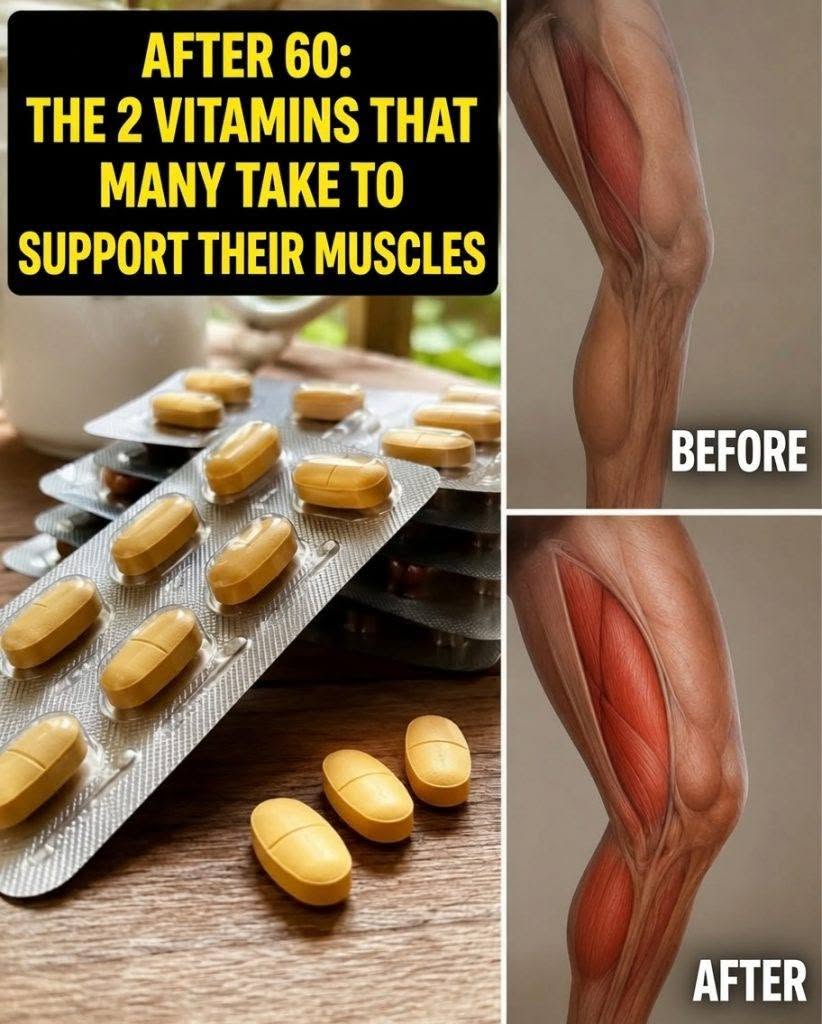
Vitamin D3 and Muscle Health After 60: Why This Essential Nutrient Matters More Than You Think
As people get older, maintaining muscle strength becomes increasingly important for balance, mobility, and independence. One nutrient that plays a key role in this process is vitamin D, especially vitamin D3 (cholecalciferol).
How Vitamin D3 Supports Muscle Health
1. Helps maintain muscle function
Vitamin D receptors are found in muscle tissue. Adequate vitamin D levels help support normal muscle contraction and coordination. Low vitamin D levels have been associated with muscle weakness, particularly in older adults.
2. Supports balance and reduces fall risk
Muscle weakness and poor balance can increase the risk of falls. Maintaining healthy vitamin D levels, along with exercise and adequate nutrition, may help support better physical function.
3. Works with calcium for strong bones and movement
Vitamin D helps the body absorb calcium, which is essential for bone strength. Strong bones and strong muscles work together to support stability and daily activities.
4. May help preserve muscle as we age
Aging naturally brings changes in muscle mass and strength (often called sarcopenia). Vitamin D is one part of a broader approach that includes resistance training, enough protein, and overall good nutrition.
Signs You May Have Low Vitamin D
Some people with low vitamin D may experience:
- Muscle weakness
- Tiredness
- Bone or muscle aches
- Difficulty getting up from a chair or climbing stairs
However, these symptoms can have many causes, so a blood test is the best way to check vitamin D status.
Sources of Vitamin D3
- Sunlight exposure (varies by location, season, skin type, and lifestyle)
- Fatty fish such as salmon and sardines
- Egg yolks
- Fortified foods
- Vitamin D3 supplements when recommended
How Much Vitamin D3 Do Older Adults Need?
Needs vary depending on health status, diet, sun exposure, and blood levels. Many health organizations suggest older adults ensure adequate vitamin D intake, but the right amount of supplementation should be based on individual needs and, when appropriate, medical advice.
The Bigger Picture for Muscle Health After 60
Vitamin D3 is helpful, but it works best alongside:
- Strength training exercises
- Adequate protein intake
- Regular walking or physical activity
- Good sleep
- A balanced diet
Vitamin D3 is not a “muscle-building pill,” but maintaining healthy levels can be an important part of supporting strength, balance, and healthy aging.
