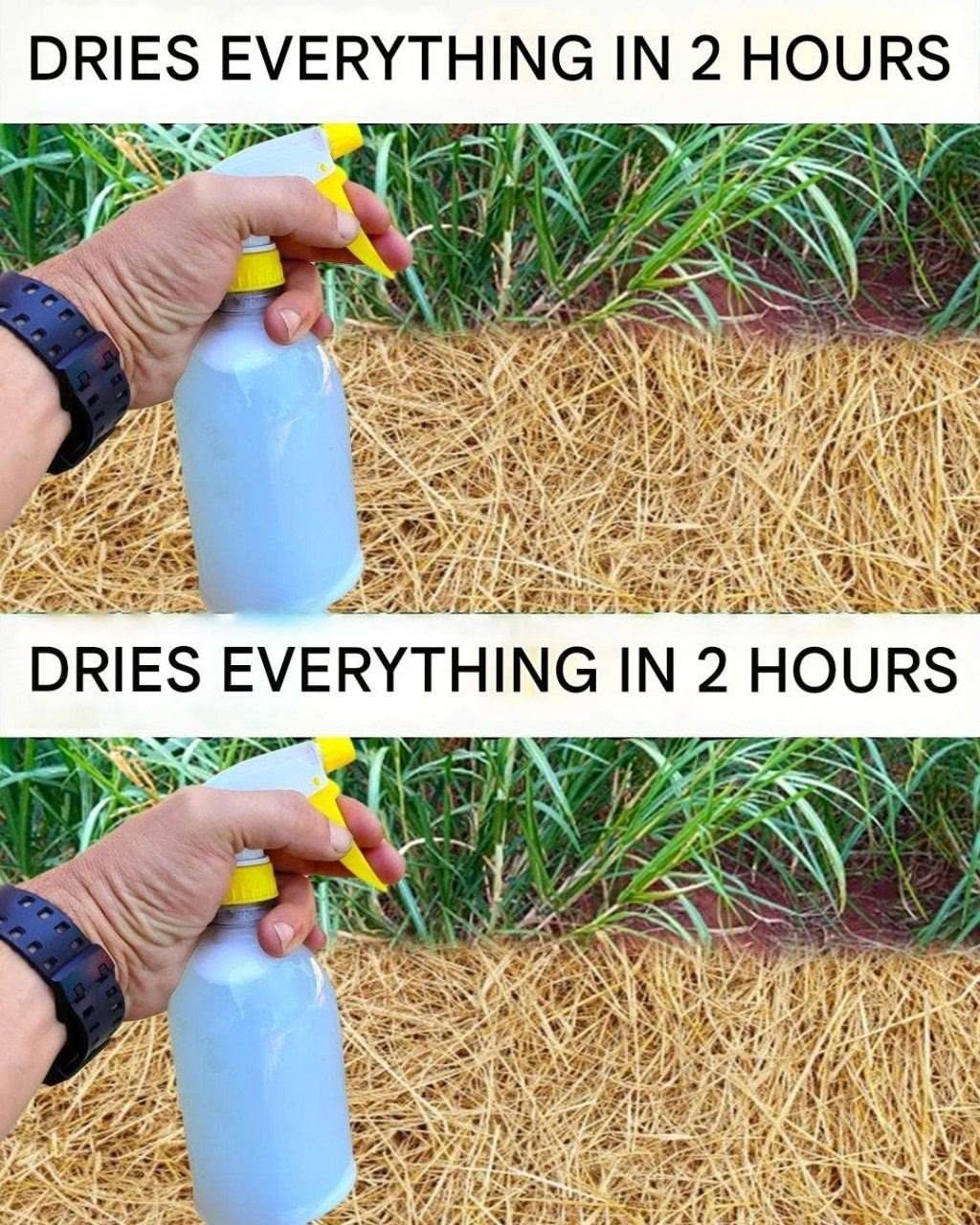
Homemade Weed Killer: A Non-Toxic Approach (What Works and What to Know)
Many homemade weed-killer recipes are shared online, especially mixtures using vinegar, salt, and dish soap. These can dry out and damage the leaves of many weeds, sometimes within a few hours in hot, sunny conditions—but they are not selective and can also harm desirable plants.
Simple Vinegar-Based Weed Spray
Ingredients
- 1 liter (about 4 cups) of household white vinegar (5% acetic acid)
- 1 teaspoon of dish soap (helps the liquid stick to leaves)
How to Use
- Mix the ingredients in a spray bottle.
- Spray directly onto weed leaves on a dry, sunny day.
- Avoid spraying grass, flowers, vegetables, or garden plants you want to keep.
- Reapply if weeds regrow.
Important Notes
- Regular household vinegar often works best on small, young weeds. Tough perennial weeds may grow back because the roots remain alive.
- Adding salt may make the mixture more damaging to weeds, but it can also harm soil, reduce fertility, and prevent future plant growth in that area.
- Avoid spraying near waterways or where you plan to grow plants later.
Other Natural Weed-Control Methods
✅ Pull weeds after rain when soil is softer
✅ Use mulch to block sunlight
✅ Pour boiling water on weeds growing in cracks or paths
✅ Use hand tools for deep-rooted weeds
A “weed killer that dries everything in 2 hours” usually works by burning the visible leaves, not by permanently killing every root. The best method depends on where the weeds are growing (lawn, driveway cracks, garden beds, or vegetable areas).
