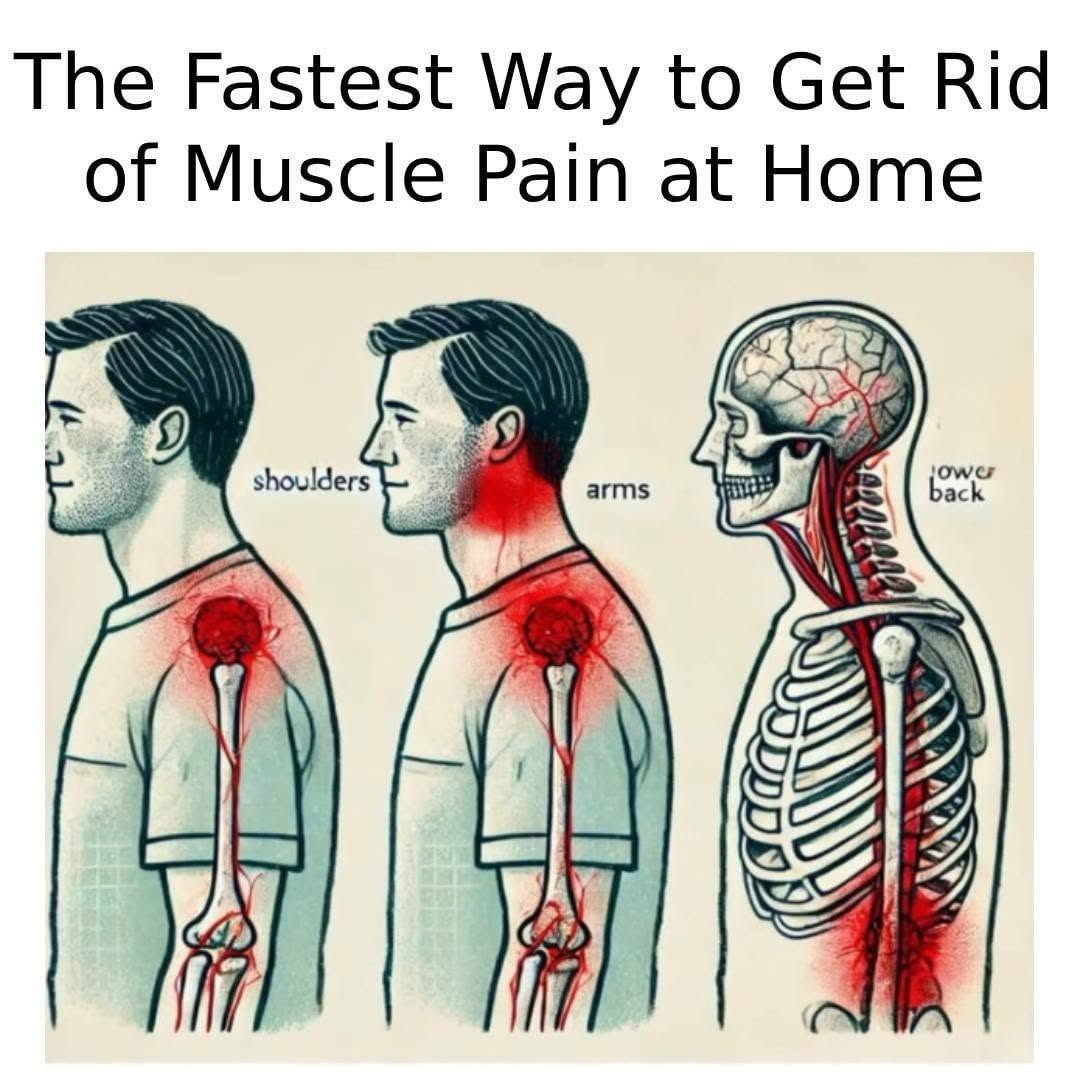
The Fastest Way to Relieve Muscle Pain at Home
Muscle pain can come from exercise, strain, overuse, tension, or minor injuries. The best approach depends on the cause, but these methods can often help reduce discomfort:
1. Rest the affected muscle (but don’t stay completely still)
- Avoid activities that worsen the pain for a short time.
- Gentle movement, such as walking or light stretching, can help prevent stiffness.
2. Use cold or heat at the right time
- Cold packs: Helpful during the first 24–48 hours after a new injury, especially if there is swelling.
- Heat: Often helps with tight, stiff, or sore muscles by relaxing them and improving comfort.
3. Gentle stretching
- Slowly stretch the painful area without forcing it.
- Hold stretches for about 20–30 seconds and avoid bouncing.
4. Massage or self-massage
- Gentle rubbing or using a foam roller may help some people relax tight muscles and improve mobility.
5. Stay hydrated and eat well
- Dehydration can contribute to muscle discomfort.
- Adequate protein and a balanced diet support muscle recovery.
6. Over-the-counter pain relief (when appropriate)
- Some people use medications such as acetaminophen or anti-inflammatory medicines.
- Follow label directions and check with a healthcare professional if you have kidney disease, stomach ulcers, heart problems, take blood thinners, or have other medical conditions.
Seek medical advice if:
- Pain is severe or getting worse
- There is significant swelling, redness, or warmth
- You have weakness, numbness, or loss of movement
- Pain follows a serious injury
- Muscle pain is unexplained or lasts more than a few weeks
For many minor muscle aches, a combination of gentle movement, appropriate heat/cold, stretching, and time is more effective than trying to eliminate pain instantly.
