Do You Sleep in the Right Position? How Your Nighttime Posture Can Affect Your Health
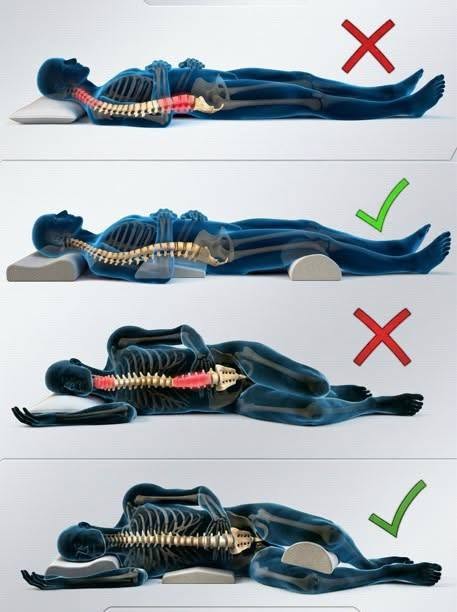
Your sleeping position can influence comfort, breathing, spinal alignment, and joint pressure. There is no single “perfect” position for everyone—the best choice depends on your body, health conditions, and personal comfort.
1. Side sleeping (often a good choice)
Possible benefits:
- May help reduce snoring for some people.
- Sleeping on the left side may help some people with acid reflux.
- Can support better spinal alignment when paired with a suitable pillow.
Tips:
- Place a pillow between your knees to reduce strain on the hips and lower back.
- Make sure your pillow keeps your neck aligned with your spine.
2. Sleeping on your back
Possible benefits:
- Helps keep the spine in a neutral position.
- Can reduce pressure on shoulders and hips.
Considerations:
- It may worsen snoring or sleep apnea symptoms in some people because the tongue and soft tissues can fall backward and narrow the airway.
3. Sleeping on your stomach
Possible concerns:
- May place strain on the neck because the head is usually turned to one side.
- Can increase pressure on the lower back for some people.
If you prefer stomach sleeping, a thinner pillow and good support under the hips may help reduce strain.
4. Your pillow and mattress matter too
Even a good sleeping position may become uncomfortable if:
- Your pillow is too high or too flat.
- Your mattress does not provide enough support.
- Your sleeping posture changes due to pain or stiffness.
Signs your sleeping position may be causing problems:
- Waking with neck or back pain
- Numbness or tingling in arms or legs
- Frequent headaches in the morning
- Feeling stiff despite getting enough sleep
Healthy sleep habits:
✅ Keep your spine in a comfortable, neutral position.
✅ Change positions naturally during the night.
✅ Use pillows to support areas that feel strained.
✅ Maintain a consistent sleep schedule.
If you have sleep apnea, chronic back pain, shoulder pain, or frequent numbness, your ideal sleeping position may be different and worth discussing with a healthcare professional.
