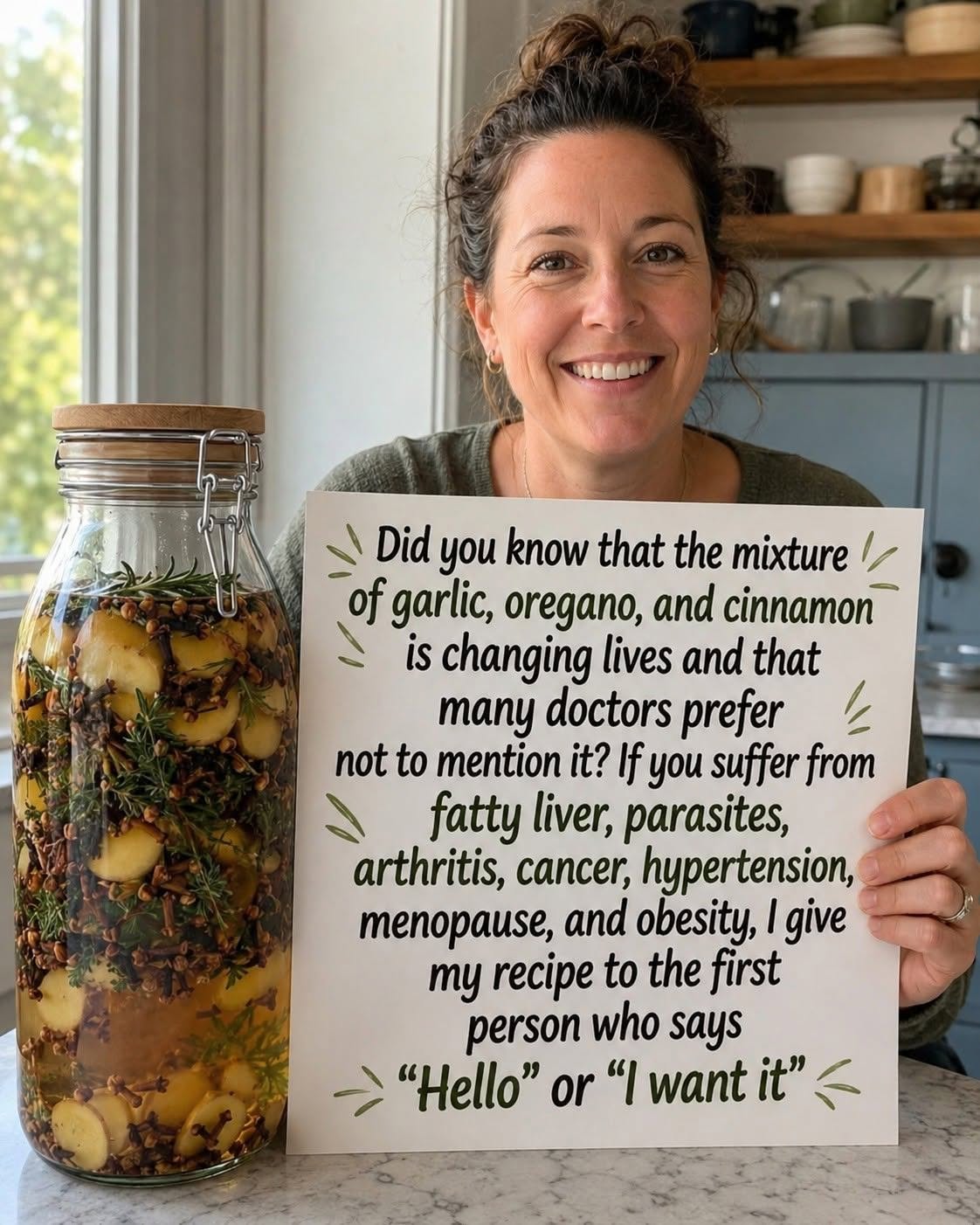
Garlic and Oregano: Can These Everyday Herbs Support Better Health?
Garlic and oregano have been staples in kitchens around the world for centuries. Beyond adding flavor to meals, both contain naturally occurring plant compounds that have attracted the attention of researchers. While neither ingredient is a miracle cure, studies suggest they may offer certain health benefits when included as part of a balanced diet and healthy lifestyle.
Why Garlic Has Earned Its Reputation
Garlic contains sulfur-containing compounds, particularly allicin, which is produced when fresh garlic is chopped or crushed. Allicin is responsible for much of garlic’s characteristic aroma and has been studied for its potential health effects.
Research suggests garlic may:
- Support normal immune function.
- Help maintain healthy blood pressure in some people when consumed regularly.
- Contribute to healthy cholesterol levels as part of an overall heart-healthy lifestyle.
- Provide antioxidant compounds that help protect cells from oxidative stress.
- Offer mild antimicrobial activity against certain bacteria and fungi in laboratory studies.
Although these findings are promising, garlic should not be considered a substitute for prescribed medications or professional medical care.
The Benefits of Oregano
Oregano is much more than a flavorful seasoning. It contains plant compounds such as carvacrol and thymol, which have been studied for their antioxidant and antimicrobial properties.
Potential benefits of oregano include:
- Rich in antioxidants that help protect cells from free radical damage.
- Contains natural compounds that have shown antibacterial activity in laboratory research.
- May help support digestive health when used as part of a balanced diet.
- Provides vitamins and minerals in small amounts, including vitamin K and manganese.
- Adds flavor to meals without increasing sodium or added sugar.
Most research on oregano’s antimicrobial effects has been conducted in laboratories or using concentrated oregano oil, so these findings do not necessarily translate directly to the culinary herb used in cooking.
Are Garlic and Oregano Better Together?
Garlic and oregano are frequently paired in Mediterranean cuisine. Together, they contribute:
- A variety of antioxidant plant compounds.
- Robust flavor that can reduce the need for excess salt.
- Nutrients that complement a balanced eating pattern.
While both ingredients have individually been studied, there is limited evidence that combining them creates unique health effects beyond those of each ingredient alone.
What the Research Really Says
Scientific studies have identified several potentially beneficial compounds in garlic and oregano, but it’s important to keep expectations realistic.
Current evidence suggests:
- They may support overall health as part of a nutritious diet.
- They are not proven treatments or cures for cancer, diabetes, infections, heart disease, or other chronic illnesses.
- More high-quality human studies are needed to confirm many of the claims made online.
Fresh Garlic vs. Garlic Supplements
Fresh garlic and garlic supplements are not identical.
Fresh garlic:
- Provides naturally occurring allicin when crushed or chopped.
- Is easy to incorporate into meals.
- Adds flavor without extra calories.
Supplements:
- May contain different amounts of active compounds depending on the product.
- Are not regulated the same way as prescription medicines in many countries.
- Should be discussed with a healthcare professional, especially if you take medications.
Fresh Oregano vs. Oregano Oil
Fresh or dried oregano used in cooking is generally considered safe for most people.
Concentrated oregano oil is much stronger and may cause side effects such as stomach upset or irritation if taken improperly. It can also interact with certain medications and is not appropriate for everyone.
Easy Ways to Enjoy Garlic and Oregano
Try adding them to:
- Roasted vegetables
- Pasta sauces
- Homemade pizza
- Grilled chicken or fish
- Soups and stews
- Salad dressings
- Marinades
- Whole-grain dishes
For garlic, crushing the cloves and letting them sit for about 10 minutes before cooking may help preserve more allicin.
Who Should Be Careful?
Garlic and oregano are safe for most people in normal food amounts. However, speak with your healthcare provider before taking high-dose supplements if you:
- Take blood-thinning medications.
- Have a bleeding disorder.
- Are preparing for surgery.
- Are pregnant or breastfeeding.
- Have allergies to plants in the mint family (for oregano).
Frequently Asked Questions
Can garlic prevent colds?
Some studies suggest garlic may modestly reduce the frequency or duration of common colds, but the evidence is mixed and it does not guarantee protection.
Is oregano a natural antibiotic?
Oregano contains compounds with antimicrobial activity in laboratory studies. However, eating oregano or taking oregano oil should not replace antibiotics prescribed by a healthcare professional.
Can garlic lower blood pressure?
Some research indicates that garlic supplements may have a modest blood pressure-lowering effect in certain people. Anyone with high blood pressure should continue following their prescribed treatment plan and discuss supplements with their healthcare provider.
Should I eat garlic every day?
Many people include garlic regularly as part of a healthy diet. If it causes digestive discomfort, heartburn, or interacts with your medications, consult your healthcare provider.
Final Thoughts
Garlic and oregano are nutritious ingredients that can add both flavor and beneficial plant compounds to your meals. Research suggests they may support aspects of heart health, immune function, and antioxidant protection, but they are not miracle cures or replacements for medical treatment. The best approach is to enjoy them as part of a varied, balanced diet while relying on evidence-based medical care for the prevention and treatment of disease.
Source: Original educational article based on guidance from peer-reviewed nutrition and medical research, including information from the National Center for Complementary and Integrative Health (NCCIH), the National Institutes of Health (NIH), and published studies on garlic and oregano.
