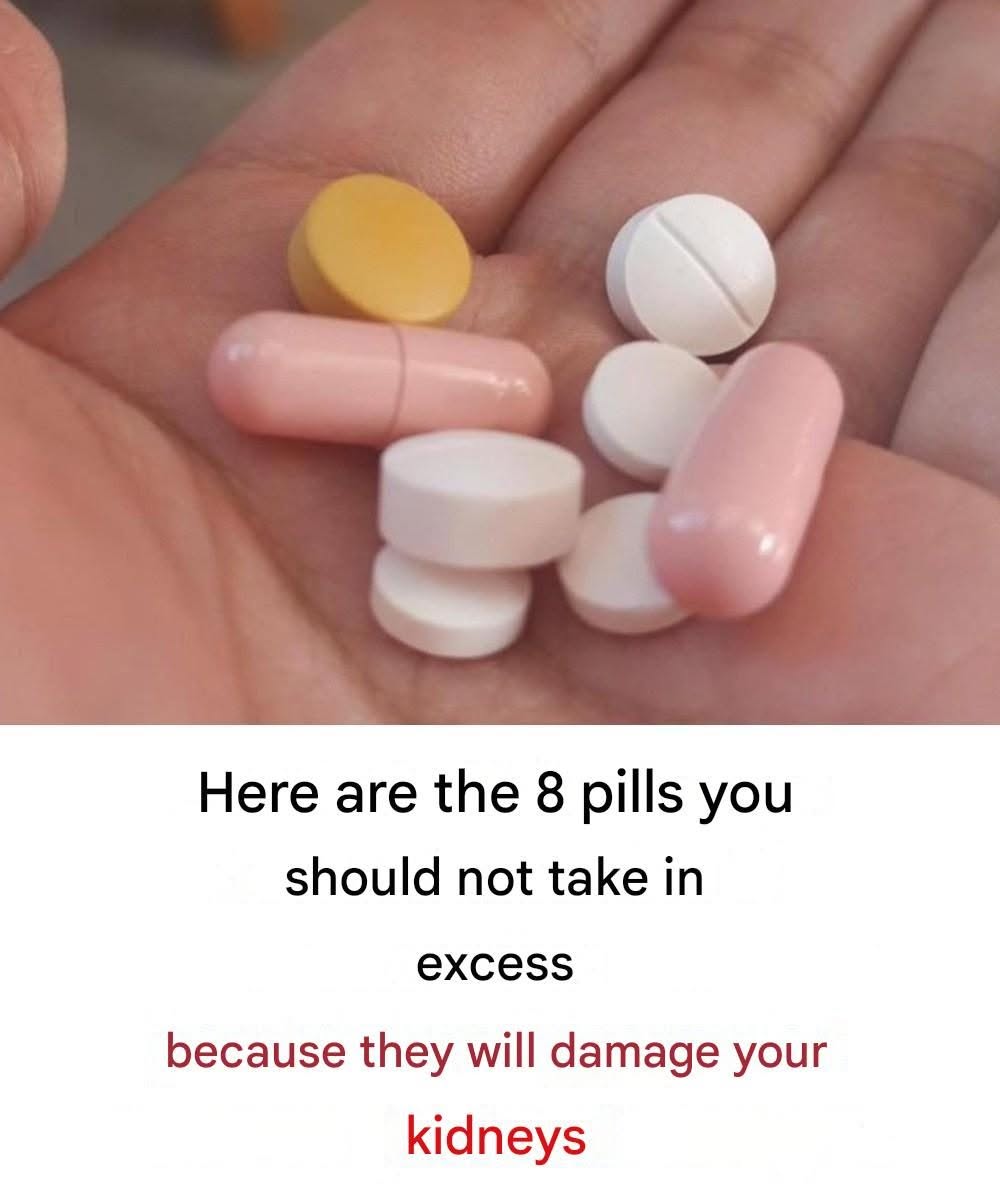
8 Medications That Can Affect Kidney Health: What You Should Know
Your kidneys work around the clock to filter waste, balance fluids, regulate blood pressure, and help keep your body functioning properly. While many medications are safe when used as directed, some can increase the risk of kidney injury, especially in older adults, people with chronic kidney disease, dehydration, diabetes, or high blood pressure.
The key message isn’t to avoid these medicines altogether—it’s to use them appropriately and under the guidance of a healthcare professional.
1. Nonsteroidal Anti-Inflammatory Drugs (NSAIDs)
Common examples include:
- Ibuprofen
- Naproxen
- Diclofenac
NSAIDs are widely used to relieve pain, reduce inflammation, and lower fever. However, frequent or long-term use can reduce blood flow to the kidneys, increasing the risk of kidney damage, particularly in people with existing kidney disease or dehydration.
Tips:
- Use the lowest effective dose for the shortest possible time.
- Stay well hydrated.
- Consult your healthcare provider if you need these medications regularly.
2. Certain Antibiotics
Some antibiotics can stress the kidneys, especially when taken in high doses or for prolonged periods.
Examples include:
- Gentamicin
- Tobramycin
- Vancomycin (in some situations)
Doctors often monitor kidney function during treatment with these medications, particularly in hospitalized patients.
3. Proton Pump Inhibitors (PPIs)
Examples include:
- Omeprazole
- Pantoprazole
- Esomeprazole
PPIs are commonly prescribed for acid reflux and stomach ulcers. Long-term use has been associated with an increased risk of kidney inflammation and chronic kidney disease in some studies, although the overall risk for individuals remains relatively low.
Never stop a prescribed PPI without discussing it with your healthcare provider.
4. Some Blood Pressure Medicines
Examples include:
- ACE inhibitors
- ARBs
These medications actually help protect the kidneys in many people, especially those with diabetes or kidney disease. However, in certain situations—such as severe dehydration or specific kidney conditions—they may temporarily reduce kidney function.
Doctors often check kidney function and potassium levels after starting or adjusting these medications.
5. Diuretics (Water Pills)
Examples include:
- Furosemide
- Hydrochlorothiazide
- Spironolactone
Diuretics help remove excess fluid from the body but may contribute to dehydration if fluid losses become excessive, increasing the risk of kidney problems.
Follow your healthcare provider’s instructions regarding fluid intake and medication use.
6. Certain Antiviral Medications
Some antiviral drugs used to treat viral infections can affect kidney function, especially in people with pre-existing kidney disease.
Healthcare providers often adjust the dose based on kidney function to reduce the risk of side effects.
7. Certain Chemotherapy Drugs
Several chemotherapy medications can be toxic to the kidneys. Oncologists closely monitor kidney function before and during treatment and may provide intravenous fluids or adjust doses to reduce the risk.
These medications should never be stopped without consulting your cancer care team.
8. Lithium
Lithium is an effective medication used to treat bipolar disorder and certain other mental health conditions. Long-term use can affect kidney function in some people, making regular blood tests essential.
Routine monitoring helps healthcare providers detect problems early and adjust treatment if necessary.
Who Is Most at Risk?
Kidney-related medication side effects are more likely in people who:
- Are over 65 years of age
- Have chronic kidney disease
- Have diabetes
- Have high blood pressure
- Are dehydrated
- Have heart failure
- Take several medications at the same time
Signs of Possible Kidney Problems
Seek medical attention if you notice:
- Reduced urine output
- Swelling in the legs, ankles, or feet
- Persistent nausea or vomiting
- Unusual fatigue
- Shortness of breath
- Confusion
- Blood in the urine
- Severe back or side pain
How to Protect Your Kidneys
- Take medications exactly as prescribed.
- Avoid taking more than the recommended dose.
- Stay hydrated unless your healthcare provider has advised otherwise.
- Tell your healthcare provider about all prescription medications, over-the-counter drugs, vitamins, and supplements you use.
- Have kidney function checked if you take medications that require monitoring.
- Avoid combining medications without professional advice.
Frequently Asked Questions
Should I stop taking these medications?
No. Many of these medicines provide important health benefits. Always speak with your healthcare provider before stopping any prescribed medication.
Are over-the-counter pain relievers safe?
They can be safe when used occasionally and according to the label. Frequent or high-dose use, especially of NSAIDs, may increase the risk of kidney injury.
Can kidney damage from medications be reversed?
Sometimes. If detected early and the medication is adjusted or discontinued under medical supervision, kidney function may improve. In other cases, damage may be permanent.
How often should kidney function be tested?
This depends on your age, medical history, and medications. Your healthcare provider can recommend an appropriate monitoring schedule.
Final Thoughts
Many medications have the potential to affect kidney health, but that doesn’t mean they should be avoided. For most people, these medicines are safe and effective when used correctly and monitored appropriately. The best way to protect your kidneys is to use medications responsibly, attend regular medical checkups, and discuss any concerns with your healthcare provider before making changes to your treatment.
Source: Original educational article based on guidance from the National Kidney Foundation (NKF), the National Institute of Diabetes and Digestive and Kidney Diseases (NIDDK), and peer-reviewed nephrology and pharmacology literature.
