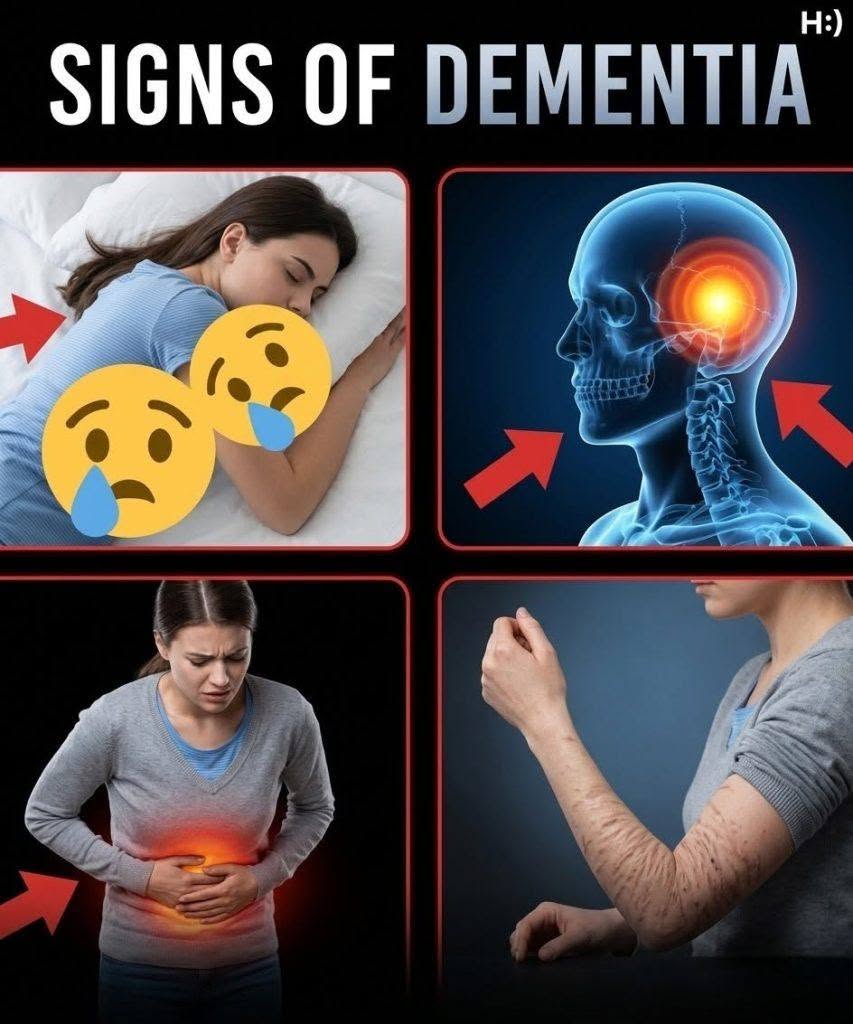
Dementia is not a normal part of aging, although the risk increases with age. Many conditions can cause memory problems, and some are treatable, so persistent changes should be evaluated by a healthcare professional.
Here are 10 early signs that may warrant attention:
- Memory loss that disrupts daily life
- Frequently forgetting recently learned information or important dates.
- Repeatedly asking the same questions.
- Difficulty planning or solving problems
- Trouble following recipes, managing finances, or keeping track of bills.
- Difficulty completing familiar tasks
- Problems driving to familiar places, using household appliances, or following routines.
- Confusion about time or place
- Losing track of dates, seasons, or where they are.
- Problems with vision or judging distances
- Difficulty reading, recognizing objects, or navigating steps.
- New problems with speaking or writing
- Trouble finding the right words or following conversations.
- Misplacing items and being unable to retrace steps
- Putting things in unusual places and being unable to find them.
- Poor judgment or decision-making
- Unusual spending, neglecting personal hygiene, or making unsafe choices.
- Withdrawal from work or social activities
- Avoiding hobbies, conversations, or events they previously enjoyed.
- Changes in mood or personality
- Increased anxiety, confusion, irritability, depression, or suspiciousness.
When to seek medical advice
It’s a good idea to arrange a medical evaluation if these symptoms:
- Are persistent or worsening.
- Interfere with daily activities or independence.
- Are noticed by family members or friends.
Not all memory problems are dementia. Conditions such as medication side effects, depression, vitamin deficiencies (especially B12), thyroid disorders, sleep problems, or infections can also affect memory and thinking—and some of these are reversible.
If someone develops sudden confusion, difficulty speaking, weakness on one side of the body, or vision changes, seek emergency medical care immediately, as these could be signs of a Stroke rather than dementia.
