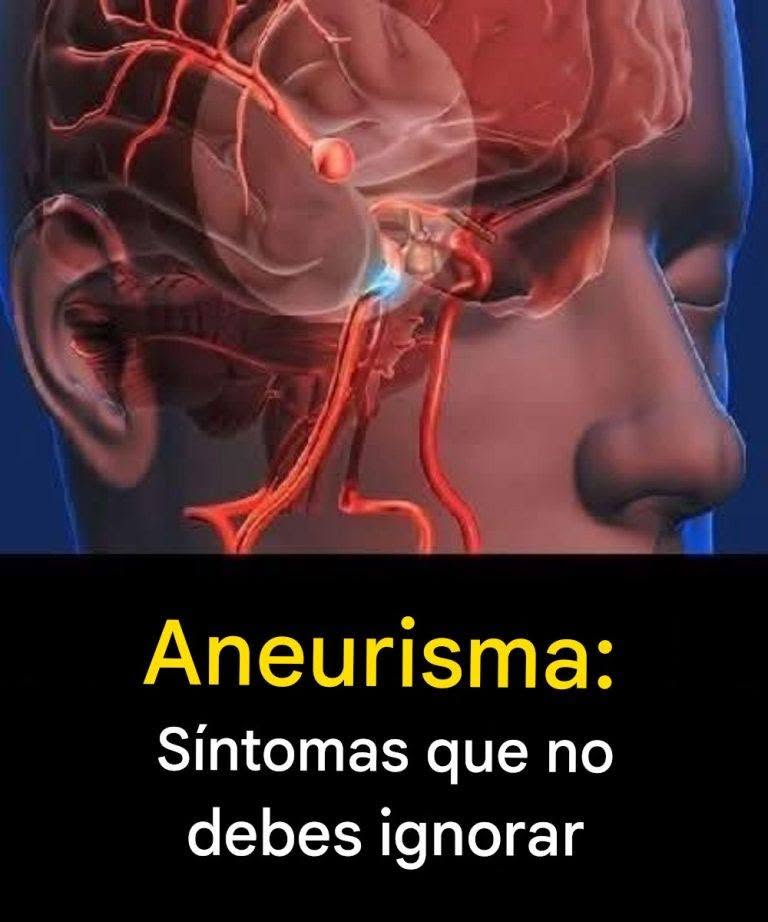
Aneurysm: Signs You Shouldn’t Ignore
An aneurysm is a weakened area in a blood vessel wall that can bulge and, in some cases, rupture. Many aneurysms cause no symptoms and are found incidentally, but certain warning signs require urgent medical attention.
Possible warning signs of an aneurysm
🚨 Sudden, severe headache
- A sudden “worst headache of your life” can be a warning sign of a brain aneurysm rupture.
- It may come with nausea, vomiting, neck stiffness, confusion, or loss of consciousness.
🚨 Sudden weakness or numbness
- Weakness or numbness on one side of the body
- Trouble speaking
- Vision changes
- Loss of balance or coordination
These can be signs of a serious brain-related emergency.
🚨 Chest, back, or abdominal pain
Depending on the location, an aneurysm may cause:
- Deep, severe chest or upper back pain
- Sudden abdominal or back pain
- A feeling of pressure or a pulsating lump in the abdomen (sometimes)
🚨 Shortness of breath or difficulty swallowing
A large aneurysm in the chest area may press on nearby structures.
Risk factors that increase aneurysm risk
- High blood pressure
- Smoking
- Older age
- Family history of aneurysms
- Certain inherited connective tissue conditions
- Atherosclerosis (hardening of arteries)
When to seek emergency help
Call emergency services immediately for:
- Sudden severe headache
- Sudden neurological symptoms (weakness, confusion, trouble speaking)
- Sudden severe chest, back, or abdominal pain
- Fainting or collapse
Prevention and monitoring
- Control blood pressure
- Avoid smoking
- Maintain a heart-healthy lifestyle
- Attend recommended screenings if you have significant risk factors
An aneurysm can sometimes be silent, so regular medical care is important for people at higher risk. If you’re concerned about a specific symptom or a family history of aneurysm, a healthcare professional can help determine whether testing is appropriate.
