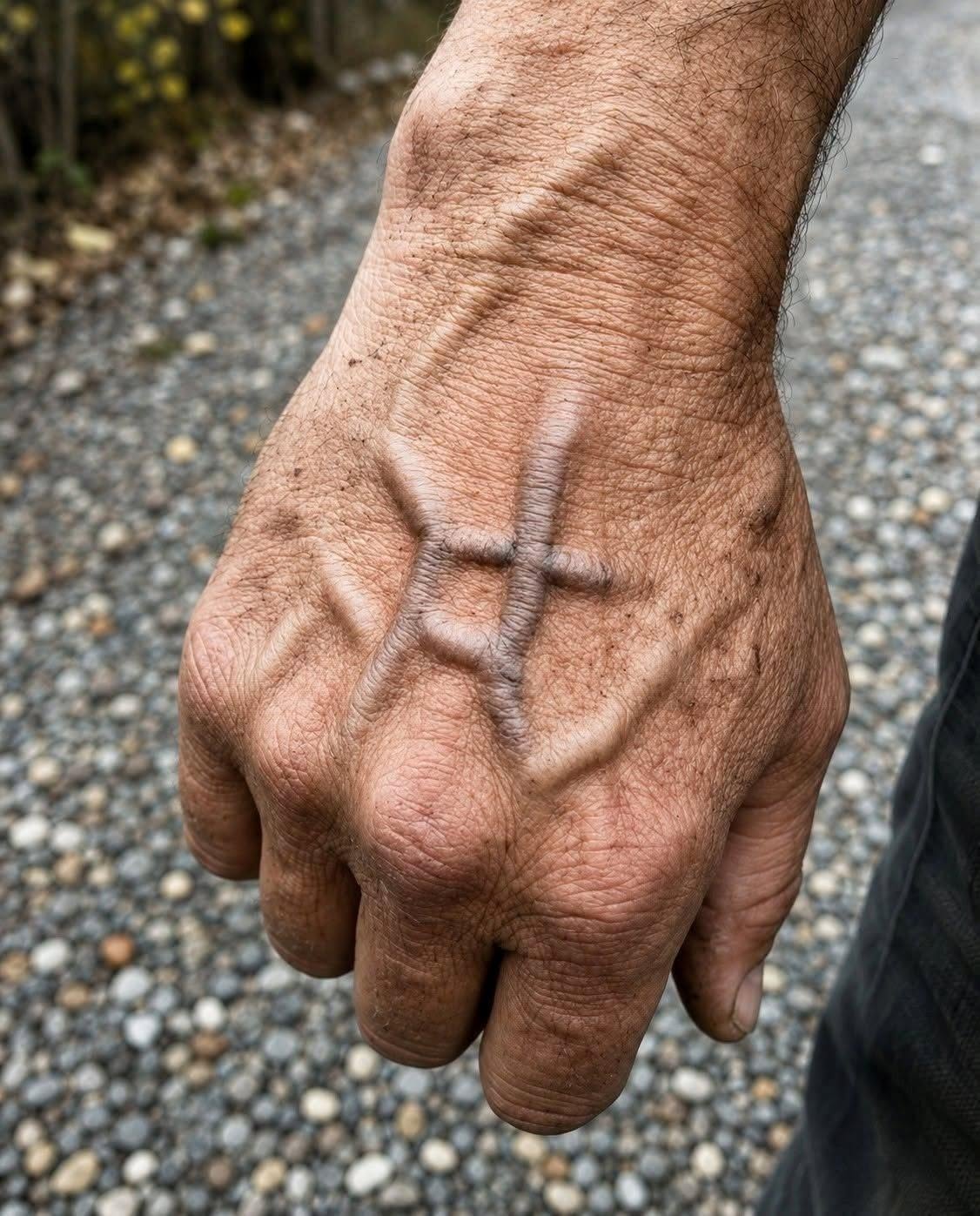
If You Have Visible Veins, What Does It Mean?
Seeing veins under your skin is usually normal and does not automatically mean you have a medical problem. How visible your veins are depends on several factors, including your skin, body composition, age, and genetics.
Common Reasons Veins Are More Visible
1. Low body fat
People with less fat under the skin often have more noticeable veins, especially on the arms, hands, and legs.
2. Thin or fair skin
Veins are easier to see through lighter-colored or thinner skin.
3. Aging
As people age, the skin naturally becomes thinner and loses some of its elasticity, making veins more prominent.
4. Exercise
During and after exercise, increased blood flow can make veins temporarily enlarge and become more visible.
5. Warm temperatures
Heat causes blood vessels to widen, which can make veins stand out more.
6. Genetics
Some people naturally have more visible veins because of inherited traits.
When Visible Veins May Indicate a Problem
Sometimes prominent veins are associated with a medical condition, particularly if they are accompanied by other symptoms.
Examples include:
- Varicose veins: Enlarged, twisted veins that may cause aching, heaviness, itching, or swelling.
- Chronic venous insufficiency: Veins in the legs do not return blood efficiently, which can lead to swelling, skin changes, or ulcers.
- Superficial thrombophlebitis: Inflammation of a vein that may cause redness, warmth, tenderness, and a firm cord-like vein.
When to Seek Medical Advice
Contact a healthcare professional if your visible veins are accompanied by:
- Pain or tenderness
- Swelling in one or both legs
- Redness or warmth over a vein
- Skin discoloration or sores near the ankles
- Sudden swelling of an arm or leg
- A vein that becomes hard, painful, or rapidly changes in appearance
The Bottom Line
Visible veins are often a normal variation and are commonly related to body fat, skin thickness, age, exercise, or genetics. They are not, by themselves, a sign of poor health. However, if they are associated with pain, swelling, skin changes, or other concerning symptoms, it’s a good idea to have them evaluated by a healthcare professional.
