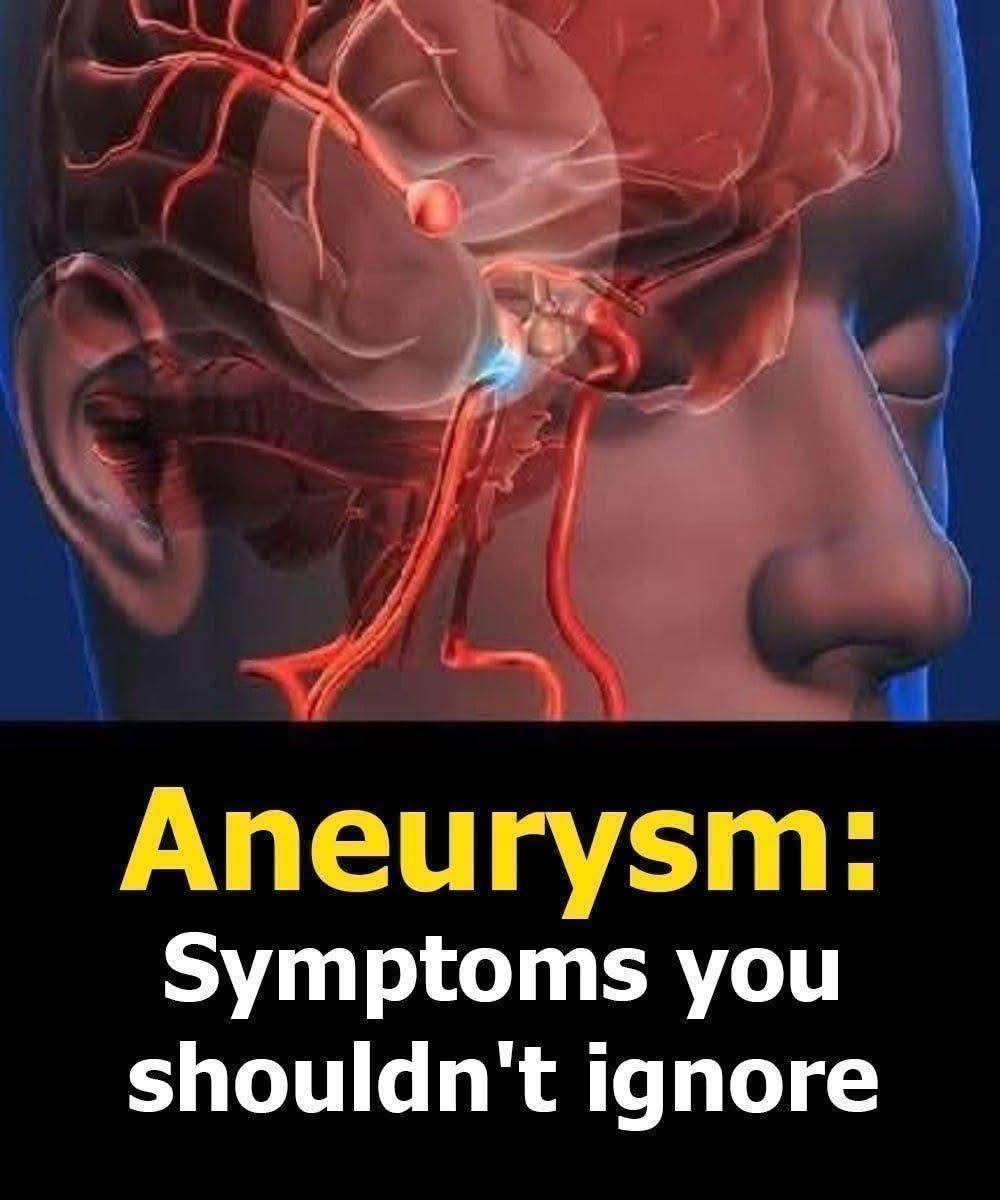
Aneurysm: Warning Signs You Shouldn’t Ignore
An aneurysm is a bulge in the wall of an artery caused by a weakened blood vessel. Many aneurysms cause no symptoms and are discovered incidentally during imaging tests. However, a growing or ruptured aneurysm can be life-threatening and requires immediate medical attention.
The symptoms depend on where the aneurysm is located.
Brain (Cerebral) Aneurysm
An unruptured brain aneurysm may cause no symptoms. If it becomes large, it may cause:
- Headache
- Blurred or double vision
- Pain behind or above one eye
- A drooping eyelid
- Dilated pupil
- Numbness or weakness on one side of the face
Signs of a Ruptured Brain Aneurysm
Call emergency services immediately if you experience:
- A sudden, severe headache (“the worst headache of your life”)
- Nausea and vomiting
- Stiff neck
- Sensitivity to light
- Confusion
- Seizures
- Loss of consciousness
Abdominal Aortic Aneurysm (AAA)
Many abdominal aortic aneurysms cause no symptoms until they become large.
Possible warning signs include:
- A pulsating feeling near the belly button
- Persistent deep pain in the abdomen
- Back or side pain
Signs of a Ruptured AAA
A rupture is a medical emergency and may cause:
- Sudden, severe abdominal or back pain
- Dizziness or fainting
- Rapid heartbeat
- Cold, clammy skin
- Signs of shock
Thoracic Aortic Aneurysm
An aneurysm in the chest may cause:
- Chest pain
- Upper back pain
- Shortness of breath
- Hoarseness
- Difficulty swallowing
- Persistent cough
Risk Factors
Factors that increase the risk of aneurysms include:
- High blood pressure
- Smoking
- Older age
- Family history of aneurysms
- High cholesterol
- Certain inherited connective tissue disorders
Can You Reduce Your Risk?
Healthy habits that may lower risk include:
- Keeping blood pressure under control
- Not smoking
- Eating a heart-healthy diet
- Exercising regularly
- Managing cholesterol and diabetes
- Attending recommended health screenings if you’re at increased risk
When to Seek Emergency Care
Get immediate medical attention if you develop:
- A sudden, severe headache unlike any you’ve had before
- Sudden severe chest, abdominal, or back pain
- Fainting or collapse
- New weakness, numbness, or difficulty speaking
- Symptoms of shock
Bottom Line
Many aneurysms are silent until they become serious. Knowing the warning signs can help you recognize a medical emergency, but routine management of risk factors—especially controlling blood pressure and avoiding smoking—is also important in reducing the risk of aneurysm complications.
