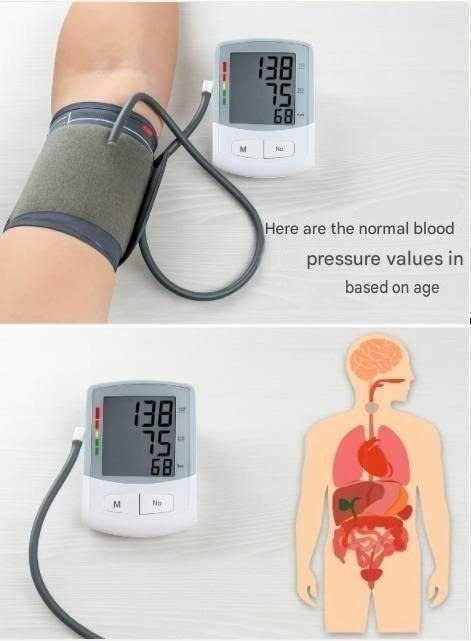
What Is Normal Blood Pressure for Your Age? A Clear, Updated Guide
Many people assume that blood pressure naturally has a different “normal” number for every age. While blood pressure can change as we get older, there is no single normal blood pressure chart where a higher number is automatically healthy just because someone is older.
Blood pressure goals depend on:
- Age and overall health
- Heart and kidney conditions
- Diabetes risk
- Medications
- Risk of falls or dizziness
Understanding Blood Pressure Numbers
A blood pressure reading has two numbers:
- Systolic (top number): pressure when the heart pumps blood
- Diastolic (bottom number): pressure when the heart relaxes
Example: 120/80 mmHg
- 120 = systolic pressure
- 80 = diastolic pressure
General Adult Blood Pressure Categories
| Reading | Meaning |
|---|---|
| Below 120/80 | Generally considered normal |
| 120–129 and below 80 | Elevated |
| 130–139 or 80–89 | High blood pressure (Stage 1) |
| 140 or higher or 90 or higher | High blood pressure (Stage 2) |
| 180 or higher and/or 120 or higher | Very high — urgent evaluation may be needed |
Blood Pressure by Age Group (General Guidance)
Ages 18–39
Many healthy adults are near:
- Around 120/80 mmHg or lower
High readings should not be ignored simply because someone is young.
Ages 40–59
Blood pressure may rise due to:
- Changes in blood vessels
- Weight changes
- Stress
- Lifestyle factors
Regular monitoring becomes increasingly important.
Ages 60–79
Older adults often need individualized targets. Doctors consider:
- Heart health
- Kidney function
- Other medications
- Risk of dizziness and falls
Age 80 and Above
Blood pressure goals are especially personalized. Avoiding both:
- Excessively high pressure, and
- Blood pressure that is too low and causes falls or fainting
is important.
Common Mistakes When Checking Blood Pressure
❌ Measuring immediately after exercise or stress
❌ Talking during the measurement
❌ Using the wrong cuff size
❌ Checking only once and assuming it represents your usual pressure
For a more accurate reading:
✅ Rest quietly for about 5 minutes
✅ Sit with feet flat on the floor
✅ Keep your arm supported at heart level
✅ Take multiple readings on different days if advised
When to Seek Medical Advice
Contact a healthcare professional if:
- Your readings are repeatedly above your recommended range
- You have very high readings (around 180/120 or higher)
- High blood pressure occurs with symptoms such as chest pain, shortness of breath, weakness, confusion, or severe headache
- Your medication causes dizziness or fainting
The Bottom Line
There is no “normal blood pressure” that increases simply because you get older. A reading that is healthy for one person may not be the right target for another. The best goal is the one recommended for your individual health situation by a healthcare professional.
