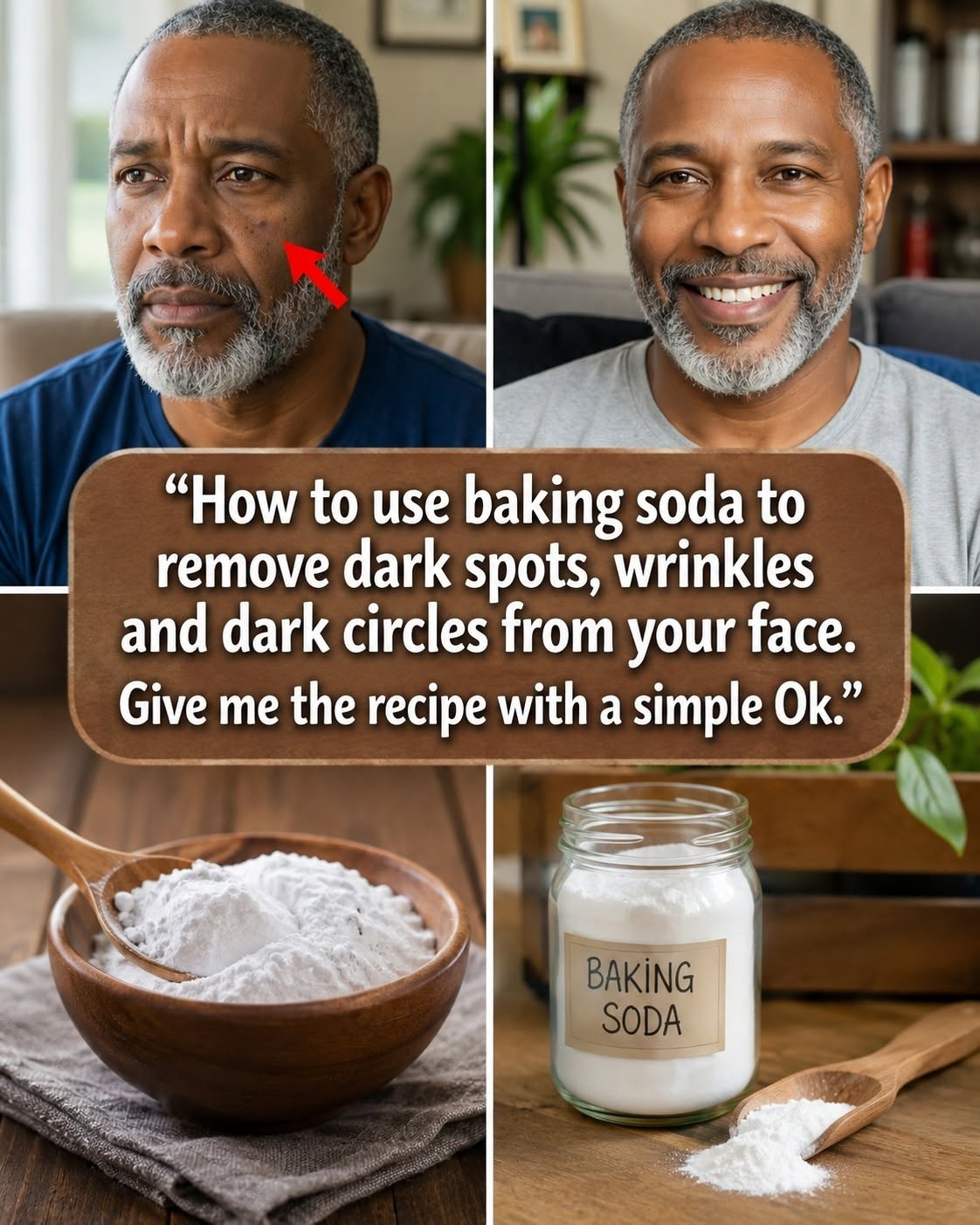
Baking Soda for Dark Spots and Wrinkles: A Simple Skin Habit or a Harmful Trend?
Baking soda is often promoted online as a quick, natural solution for dark spots, acne marks, and even wrinkles. Because it is inexpensive and widely available, many people try it as part of DIY skincare routines. But what does science actually say about using baking soda on your skin?
The answer is more cautious than viral posts suggest: baking soda may temporarily exfoliate the skin, but it is not a proven or safe long-term treatment for pigmentation or aging.
Why People Use Baking Soda on Skin
Baking soda (sodium bicarbonate) is mildly abrasive and alkaline. In DIY skincare, it is often used because people believe it can:
- Lighten dark spots
- Smooth rough skin
- Reduce acne scars
- Improve skin texture
- “Remove” wrinkles over time
These claims are mostly based on its exfoliating effect, not true skin repair.
Can Baking Soda Really Remove Dark Spots?
Dark spots (hyperpigmentation) are caused by excess melanin production in the skin. Effective treatment usually targets melanin regulation and skin cell turnover.
Baking soda does not:
- Stop melanin production
- Treat underlying pigmentation causes
- Provide long-term skin brightening
It may temporarily make skin feel smoother by removing dead surface cells, but this is not the same as treating dark spots.
Dermatologists generally recommend evidence-based ingredients such as:
- Vitamin C
- Niacinamide
- Retinoids
- Azelaic acid
- Sunscreen (most important)
Can Baking Soda Reduce Wrinkles?
Wrinkles form due to:
- Collagen loss
- Sun exposure
- Aging
- Skin dehydration
Baking soda does not:
- Stimulate collagen production
- Improve skin elasticity
- Reverse skin aging
Any “tightening” effect is temporary and comes from skin irritation, not true anti-aging benefits.
The Hidden Problem: Skin Barrier Damage
Healthy skin has a slightly acidic pH (around 4.5–5.5). Baking soda is strongly alkaline (around pH 9).
Frequent use can disrupt the skin barrier, leading to:
- Dryness and flaking
- Redness and irritation
- Increased sensitivity
- Breakouts
- Burning or stinging sensation
Over time, this can actually make skin problems worse instead of better.
Who Should Avoid Baking Soda on the Face?
Baking soda is especially risky for people with:
- Sensitive skin
- Acne-prone skin
- Eczema or rosacea
- Dry or aging skin
Even occasional use can trigger irritation in some individuals.
If Someone Still Chooses to Try It
Dermatologists do not recommend it, but if used, it should be extremely limited:
- Mix a very small amount with water to form a thin paste
- Apply for only a few seconds (not minutes)
- Rinse thoroughly
- Moisturize immediately afterward
- Do not use more than once in several weeks
Stop immediately if irritation occurs.
Safer Alternatives That Actually Work
For dark spots and wrinkles, these options are more effective and research-backed:
- Sunscreen (SPF 30 or higher): prevents new damage
- Retinoids: support skin renewal and collagen
- Niacinamide: helps even skin tone
- Vitamin C serum: brightens pigmentation
- Gentle exfoliants (AHA/BHA): improve texture safely
Final Thoughts
Baking soda may give a temporary feeling of smoother skin, but it is not a proven or safe solution for dark spots or wrinkles. In many cases, it can damage the skin barrier and worsen sensitivity.
For long-term skin health, dermatologist-approved ingredients and consistent sun protection are far more effective than harsh DIY remedies.
Source: Original educational article based on dermatology guidance and general skincare research from peer-reviewed clinical literature and professional skin health organizations.
