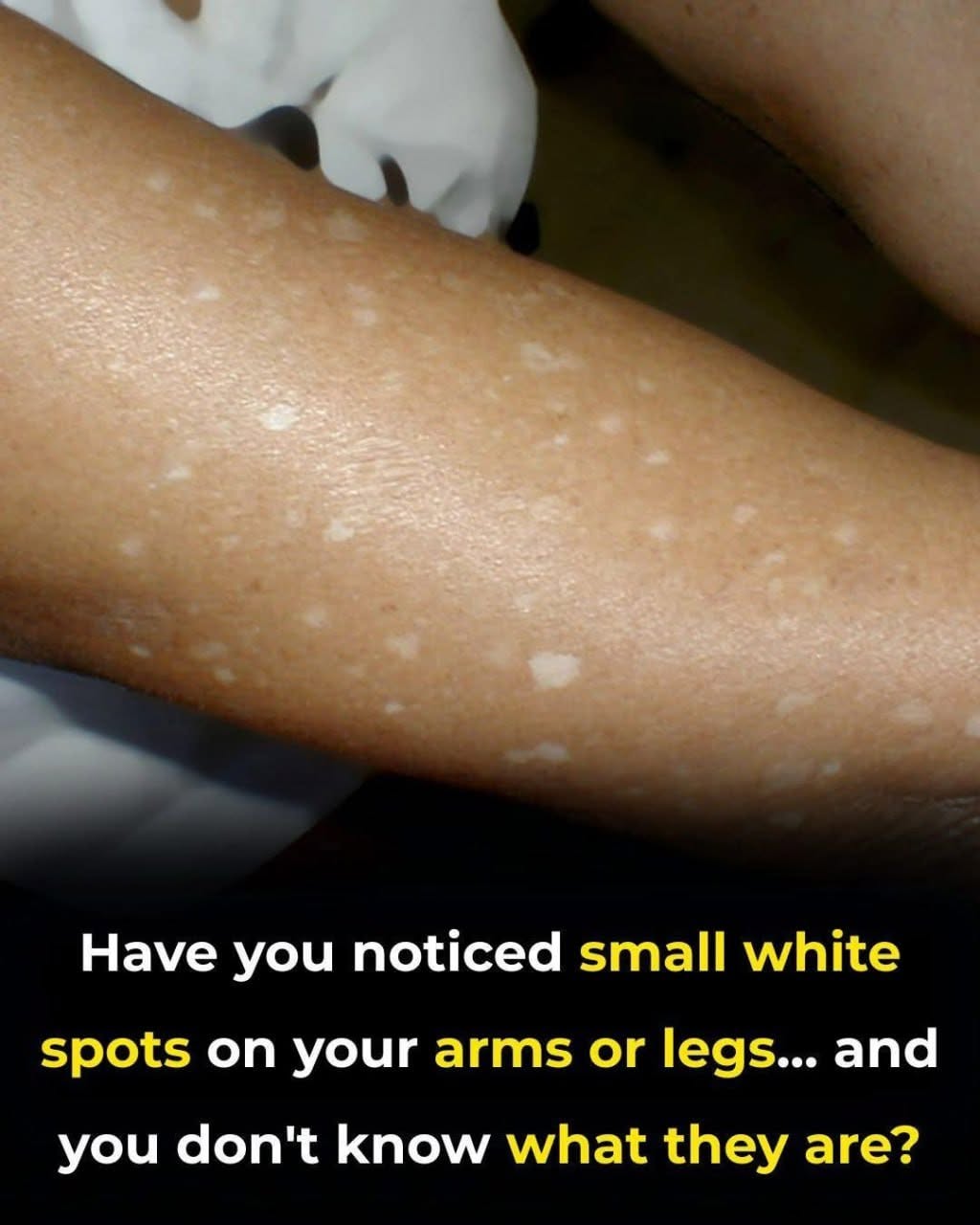
Small White Spots on Arms or Legs: What Could They Be?
Noticing small white spots on your skin—especially on the arms or legs—can be surprising. These spots are quite common and usually not dangerous, but they can have several different causes. Understanding what they might be can help you decide whether you need treatment or just reassurance.
1. Idiopathic Guttate Hypomelanosis (Age or Sun Spots)
One of the most common causes of small white spots is a condition called idiopathic guttate hypomelanosis (IGH). These spots are:
- Small, flat, white or light patches
- Usually found on sun-exposed areas like arms and legs
- More common with increasing age
- Associated with long-term sun exposure
These spots are harmless and do not require treatment, but sunscreen can help prevent new ones from forming.
2. Vitiligo
Another possible cause is vitiligo, a condition where pigment-producing cells stop working.
Features include:
- Larger or spreading white patches
- Sharp borders
- Can appear anywhere on the body
- Sometimes affects hair color in the same area
Vitiligo is not dangerous or contagious, but it can progress over time. Treatment options exist if needed.
3. Tinea Versicolor (Fungal Infection)
A common fungal condition called tinea versicolor can also cause lighter patches on the skin.
Typical signs:
- Small, scaly white or light brown patches
- Mild itching in some cases
- More noticeable after sun exposure
- Common on arms, chest, and back
This condition is treatable with antifungal creams or shampoos.
4. Pityriasis Alba
This is a mild skin condition often seen in children and young adults.
Characteristics:
- Light, slightly dry patches
- Common on face, arms, and neck
- Often more visible after sun exposure
- Usually improves over time
It is not harmful and often resolves on its own.
5. Sun Damage and Dry Skin
Sometimes, white spots are simply due to:
- Excess sun exposure
- Dry skin patches
- Minor skin irritation or healing after a rash
Using moisturizer and sunscreen can improve appearance over time.
When Should You See a Doctor?
It’s a good idea to consult a healthcare professional if:
- The spots are spreading quickly
- They are changing in size or shape
- You notice itching, scaling, or redness
- Hair in the area turns white
- You are unsure about the diagnosis
A dermatologist can usually identify the cause with a simple skin examination.
Can These Spots Be Treated?
Treatment depends on the cause:
- Sun spots (IGH): usually no treatment needed
- Fungal infections: antifungal creams or shampoos
- Vitiligo: topical treatments, light therapy, or other medical options
- Dry skin: moisturizers and gentle skincare
How to Prevent White Spots
While not all causes are preventable, you can reduce risk by:
- Using sunscreen daily
- Moisturizing skin regularly
- Avoiding excessive sun exposure
- Treating skin infections early
- Maintaining overall skin health
Final Thoughts
Small white spots on the arms or legs are usually harmless and often related to sun exposure, minor skin conditions, or pigmentation changes. However, because several different conditions can look similar, it’s best to observe how they behave over time and seek medical advice if they change or spread.
Source: Original educational article based on dermatology references including the American Academy of Dermatology (AAD) and general clinical dermatology literature.
