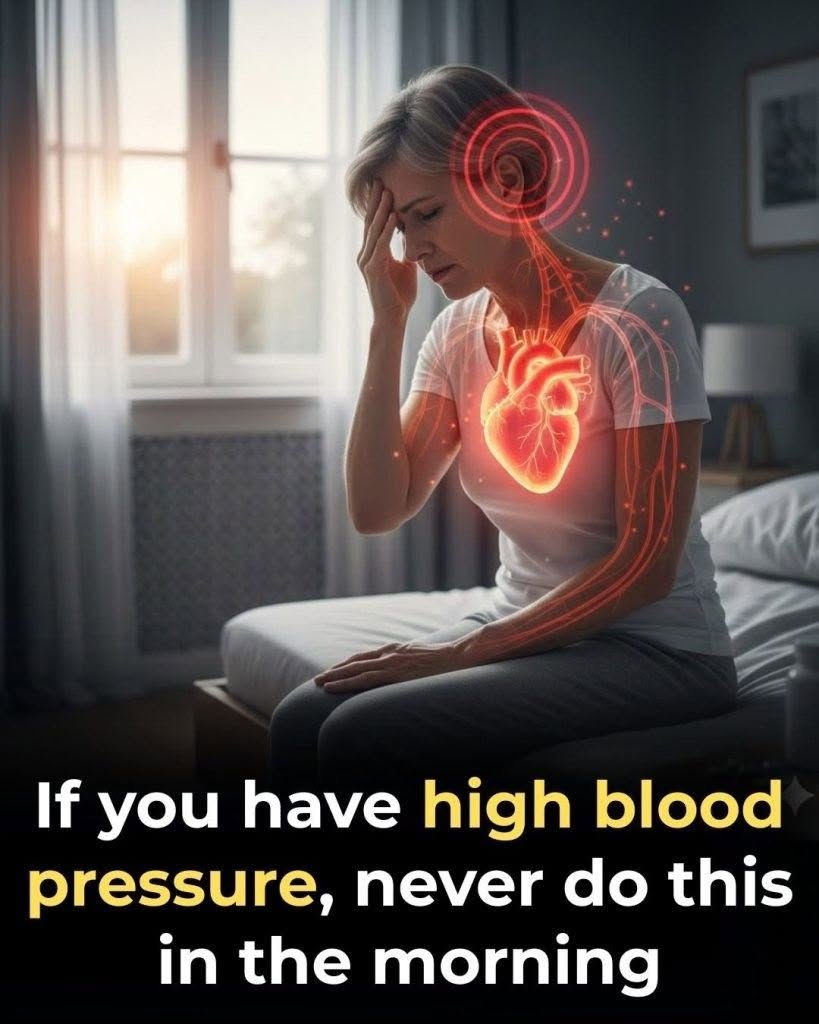
If You Have High Blood Pressure, Don’t Make These Morning Mistakes
If you have high blood pressure (hypertension), there isn’t one thing you should “never” do every morning. However, some habits can make blood pressure harder to control or interfere with your treatment.
1. Don’t skip your blood pressure medication
If your healthcare provider has prescribed medication, taking it consistently is important. If you’re unsure whether it should be taken in the morning or evening, follow your prescription or ask your healthcare provider.
2. Don’t smoke or vape
Nicotine can temporarily raise blood pressure and heart rate, adding stress to your cardiovascular system.
3. Avoid a high-sodium breakfast
Processed meats, instant noodles, salty pastries, and other high-salt foods can contribute to elevated blood pressure over time.
4. Don’t drink excessive caffeine without knowing how it affects you
Coffee and other caffeinated drinks can cause a temporary increase in blood pressure in some people. If you have hypertension, it’s worth discussing your caffeine intake with your healthcare provider.
5. Don’t ignore high blood pressure readings
If you monitor your blood pressure at home, record your readings and share consistently high values with your healthcare provider rather than assuming they’ll improve on their own.
6. Don’t rush from bed if you feel dizzy
Some blood pressure medications can cause dizziness when standing up quickly. Rise slowly, especially if you’ve experienced lightheadedness before.
7. Don’t skip breakfast if it leads to poor food choices later
A balanced breakfast with fruits, vegetables, whole grains, and lean protein can help support overall heart health.
8. Don’t rely on “miracle” remedies
Claims that a single drink, supplement, or food can quickly normalize blood pressure are not supported by strong evidence. Blood pressure is best managed through a combination of:
- Taking prescribed medications as directed
- Eating a balanced diet (such as a DASH-style eating pattern)
- Limiting sodium
- Being physically active
- Maintaining a healthy weight
- Getting enough sleep
- Limiting alcohol
- Not smoking
When to Seek Medical Care
If your blood pressure is 180/120 mmHg or higher, especially if you also have symptoms such as chest pain, shortness of breath, severe headache, confusion, vision changes, or weakness on one side of the body, seek emergency medical care immediately.
The most effective morning routine is one that supports consistent medication use, healthy eating, and regular blood pressure monitoring—not avoiding a single “forbidden” activity.
