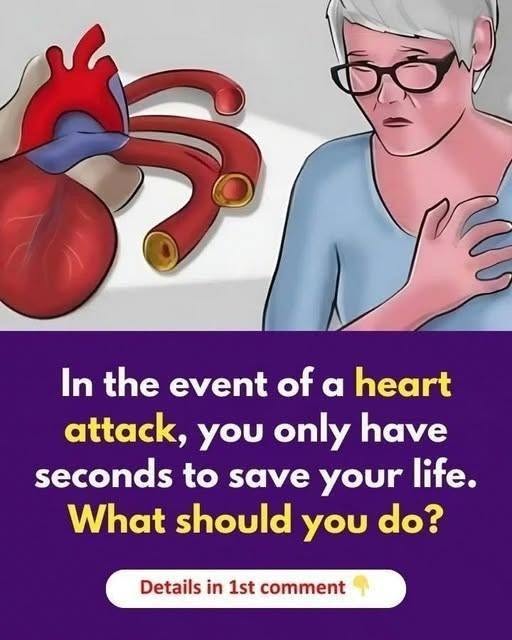
If you think you or someone else may be having a heart attack, every minute matters. The most important thing is to get emergency medical help immediately.
What to do:
- Call emergency services right away
- Do not wait to see if symptoms go away.
- If possible, use a phone on speaker so you can get help while staying still.
- Stop what you’re doing and sit or lie down
- Rest in a comfortable position, usually sitting upright.
- Avoid walking around or driving yourself to the hospital.
- Chew aspirin if appropriate
- If emergency services advise it, or if you have been told by a healthcare professional that aspirin is safe for you, chewing a regular aspirin may help during a suspected heart attack.
- Do not take aspirin if you are allergic, have active bleeding, or have been told to avoid it.
- If you have prescribed heart medication
- Use it only as directed (for example, prescribed nitroglycerin for angina).
- If the person becomes unresponsive
- Someone nearby should call emergency services and begin CPR if they are not breathing normally.
- Use an automated external defibrillator (AED) if one is available.
Possible heart attack symptoms
- Pressure, squeezing, fullness, or pain in the center of the chest
- Pain spreading to the arm, back, neck, jaw, or stomach
- Shortness of breath
- Cold sweat
- Nausea
- Sudden weakness, dizziness, or a feeling that something is seriously wrong
Symptoms can be different in women, older adults, and people with diabetes, and may be less obvious.
If you are experiencing possible heart attack symptoms right now, call your local emergency number now rather than continuing to read.
