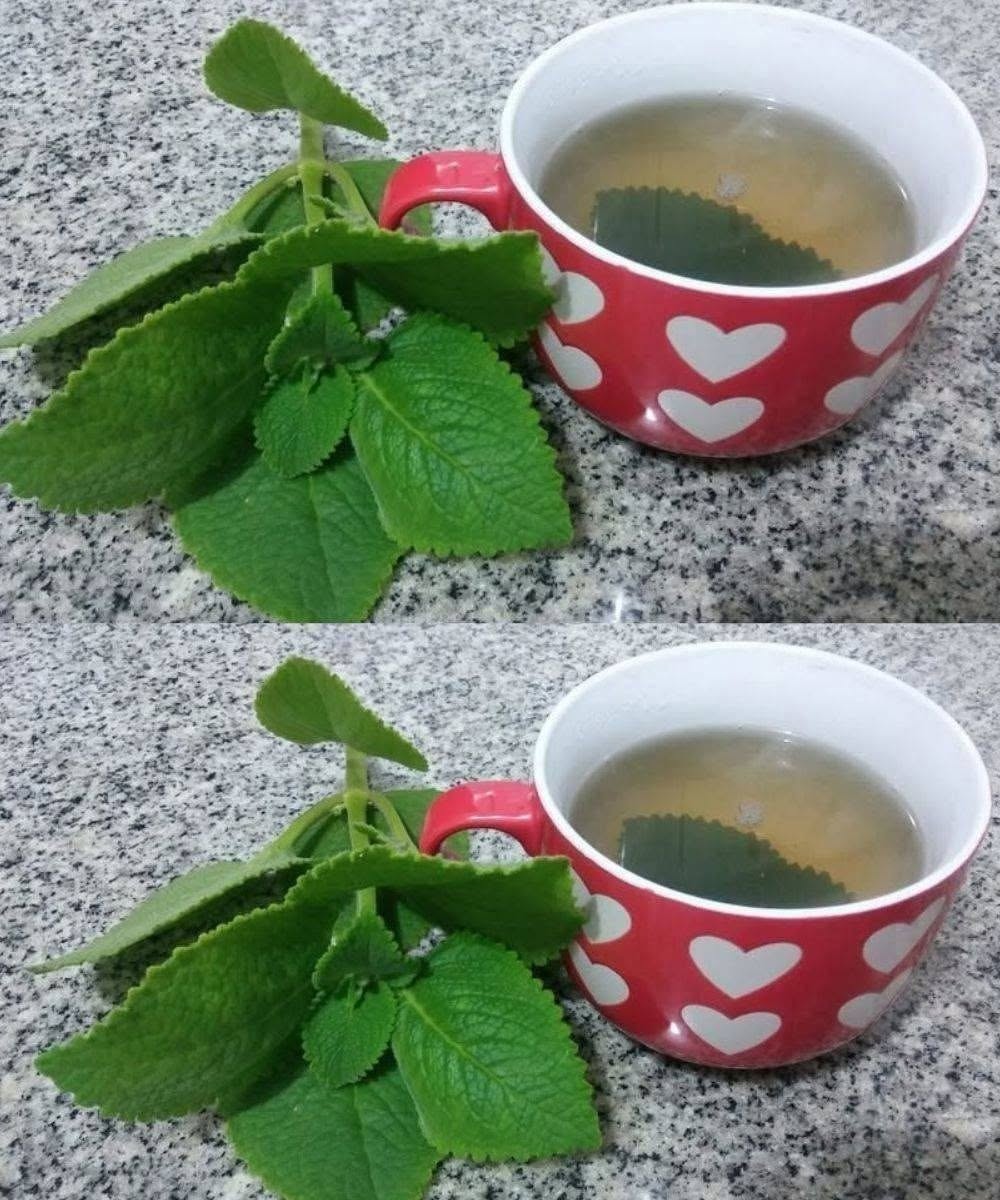
The claim “Just one oregano leaf a day and you won’t suffer from…” is incomplete and often used in misleading health posts that imply oregano can prevent or cure many diseases. While oregano is a nutritious herb with some interesting compounds, one leaf a day is not a proven treatment or guarantee against illness.
Oregano: What It May Help With and What It Can’t Do
Oregano contains plant compounds such as carvacrol and thymol, which have shown antimicrobial and antioxidant effects in laboratory studies. However, effects seen in lab research do not always translate into the same benefits in humans.
Potential Benefits of Oregano
1. Supports a healthy diet
Oregano provides:
- Antioxidants
- Small amounts of vitamins and minerals
- Flavor that can help reduce reliance on excess salt
2. May have antimicrobial properties
Oregano oil and extracts have been studied for activity against certain microbes, but this does not mean eating an oregano leaf can treat infections.
3. May support overall wellness
As part of a balanced diet rich in herbs, vegetables, fruits, and whole foods, oregano can contribute to healthy eating habits.
What Oregano Does Not Replace
Oregano should not be used as a substitute for medical treatment for:
- Infections
- Diabetes
- High blood pressure
- Parasite infections
- Serious digestive problems
- Chronic diseases
Safety Considerations
Eating oregano as a food seasoning is generally considered safe for most people. Be cautious with concentrated oregano oil or supplements, which can cause:
- Stomach irritation
- Allergic reactions
- Interactions with some medications (especially at higher doses)
Bottom Line
Adding oregano to meals can be a healthy choice, but there is no evidence that one oregano leaf per day can prevent all illnesses or eliminate the need for medical care. Healthy habits—balanced nutrition, exercise, sleep, vaccinations when appropriate, and regular checkups—play a much larger role in protecting health.
