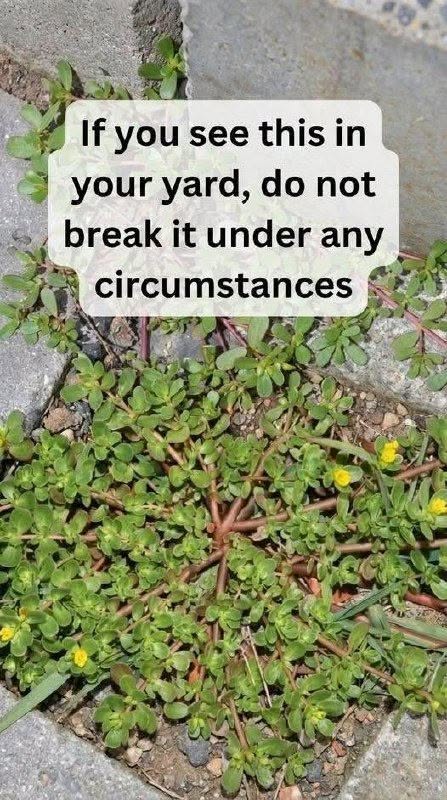
Reasons to Leave Purslane Growing (Why This “Weed” Can Be a Superfood)
Purslane (Portulaca oleracea) is often treated as a garden weed, but it is also an edible plant that has been used in many traditional cuisines. It grows easily in warm climates and is valued for its nutritional content.
Why some people keep purslane instead of removing it
- It is nutrient-rich
- Purslane contains vitamins and minerals, including Vitamin A, Vitamin C, magnesium, potassium, and calcium.
- It contains omega-3 fatty acids
- Among leafy vegetables, purslane is notable because it contains plant-based omega-3 fats, especially alpha-linolenic acid (ALA).
- It can support a healthy diet
- Its leaves and tender stems can be eaten raw in salads or cooked in soups, stews, and other dishes.
- It is drought-tolerant
- Purslane stores water in its fleshy leaves, allowing it to survive in dry conditions with little care.
- It helps cover bare soil
- As a ground-covering plant, it can reduce exposed soil and may help limit erosion.
- It attracts beneficial insects
- Its small flowers can provide food for pollinators.
- It is easy to grow
- Purslane requires little maintenance and can thrive in poor soils.
How to eat purslane safely
- Harvest only from areas that have not been treated with herbicides, pesticides, or contaminated water.
- Wash thoroughly before eating.
- Avoid collecting it from roadsides or places where animals may have contaminated the soil.
- People prone to kidney stones may want to ask a healthcare professional about frequent consumption because purslane contains Oxalate, which can be relevant for some individuals.
Important note
Purslane is nutritious, but it is not a cure-all. It works best as one part of a varied diet that includes many different fruits, vegetables, whole grains, and protein sources.
A plant growing in your yard may be a “weed” from a gardening perspective—but it can also be a useful edible plant when identified correctly and harvested safely.
