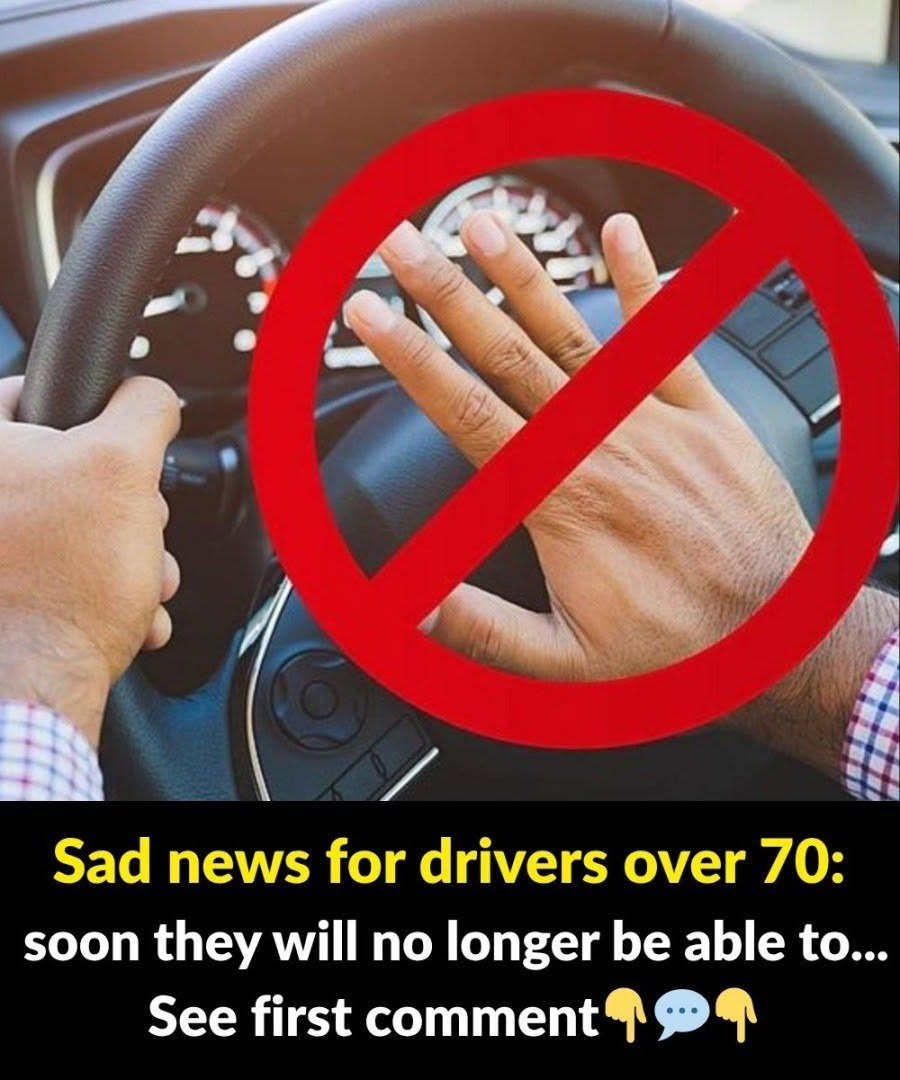
“Sad News for Drivers Over 70”: What the Rules Actually Say About Driving at Older Ages
You may have seen headlines claiming that drivers over 70 will soon no longer be allowed to drive. While these headlines sound alarming, the reality is more balanced. In most countries, including many parts of Europe, Asia, and North America, there is no automatic driving ban based solely on age.
Instead, authorities focus on fitness to drive, which may include vision, reaction time, and overall health.
Do Drivers Over 70 Lose Their License Automatically?
No. In most places, turning 70 does not automatically mean you must stop driving.
What can change is:
- More frequent license renewals
- Mandatory vision tests
- Medical check-ups in some cases
- Possible driving assessments if health concerns arise
The goal is road safety, not age discrimination.
Why Do Some Rules Change With Age?
As people age, certain conditions may become more common, such as:
- Reduced eyesight
- Slower reaction times
- Joint stiffness or mobility issues
- Medical conditions like diabetes or heart disease
- Side effects from medications
These factors can affect driving ability, so authorities may introduce additional safety checks.
Countries That Require Extra Checks for Older Drivers
Different countries handle this differently:
Europe
Some countries require medical checks or shorter license renewal periods after a certain age, but driving is still allowed if the person is fit.
United Kingdom
Drivers must renew their license every 3 years after age 70 and confirm they are medically fit to drive.
United States & Canada
No nationwide age limit. Rules vary by state or province, often focusing on vision tests rather than age bans.
What Could Actually Stop Someone Over 70 From Driving?
A license may be restricted or not renewed if:
- Vision is below legal standards
- Cognitive decline affects safe driving
- Serious medical conditions are not controlled
- The person fails a driving assessment
Importantly, this is based on ability, not age alone.
How Older Drivers Can Stay Safe and Independent
Many seniors continue driving safely for years. Helpful habits include:
- Regular eye exams
- Routine medical check-ups
- Avoiding driving at night if vision is reduced
- Using medications carefully (especially those causing drowsiness)
- Taking refresher driving courses if available
Medications That May Affect Driving Ability
Some medicines can slow reaction time or cause drowsiness, such as:
- Diazepam
- Zolpidem
- Certain antihistamines used for allergies
Always check with a doctor or pharmacist about side effects before driving.
The Truth Behind Viral Headlines
Clickbait headlines like “drivers over 70 will no longer be allowed to drive” are often designed to attract attention. In reality:
- No blanket ban exists in most countries
- Rules focus on safety and medical fitness
- Many seniors continue driving safely well into their 70s, 80s, and beyond
Final Thoughts
Age alone does not determine driving ability. While older drivers may face additional safety checks in some regions, most remain fully allowed to drive as long as they are medically fit and capable.
If you are concerned about driving ability, the best step is a routine check-up and honest self-assessment—not fear from misleading headlines.
Source: Original educational article based on general transportation laws, licensing authority guidelines, and road safety recommendations from international driving safety organizations.
