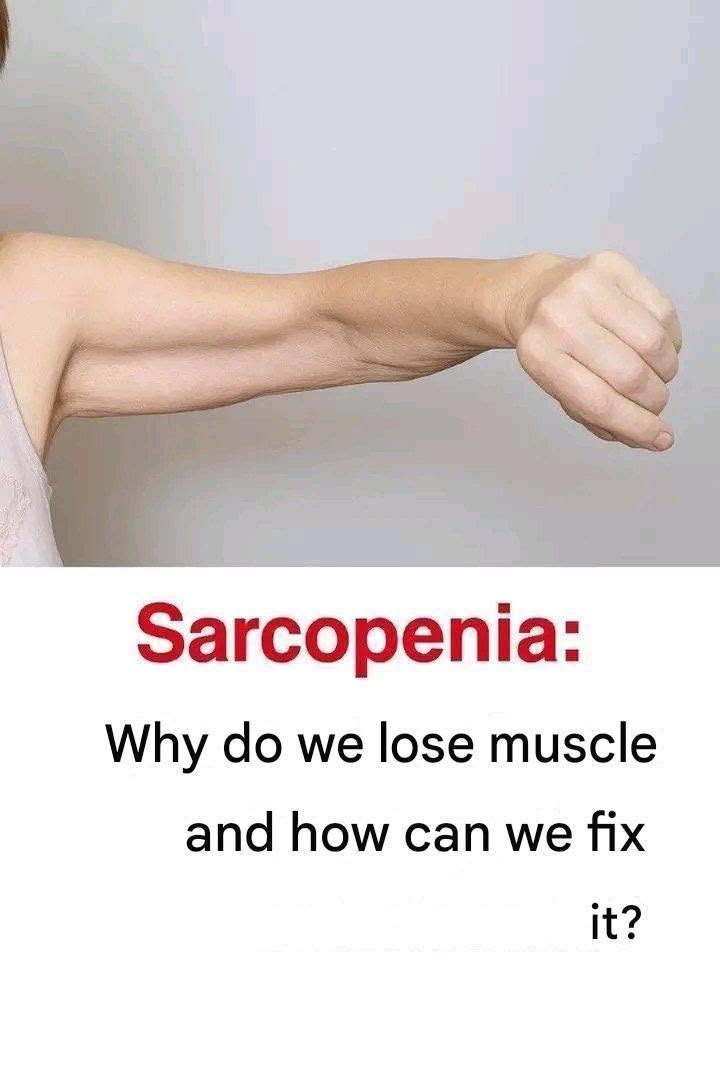
Sarcopenia: Causes of Muscle Loss and Solutions
Sarcopenia is the gradual loss of muscle mass, strength, and function, most commonly associated with aging. It can begin as early as midlife and often becomes more noticeable after age 60. It is not just about having smaller muscles—the main concern is reduced strength, balance, and ability to perform daily activities.
Common causes of sarcopenia
1. Aging-related changes
- The body becomes less efficient at building and repairing muscle.
- Hormone levels (such as growth hormone and testosterone) may decline.
- Muscle fibers can decrease in size and number.
2. Lack of physical activity
- Long periods of sitting or inactivity accelerate muscle loss.
- Not using muscles regularly signals the body that it needs less muscle tissue.
3. Not getting enough protein
- Older adults may need adequate protein to maintain muscle.
- Poor appetite, dental problems, or dietary restrictions can contribute to low intake.
4. Chronic illnesses
- Conditions such as diabetes, heart disease, kidney disease, and inflammatory disorders can contribute to muscle loss.
5. Poor nutrition or vitamin deficiencies
- Low intake of calories, protein, vitamin D, or other nutrients may affect muscle health.
Ways to help prevent or slow muscle loss
✅ Strength training
- Resistance exercises (weights, resistance bands, body-weight exercises) are among the most effective ways to maintain and rebuild muscle.
- Aim for regular sessions appropriate to your fitness level.
✅ Eat enough protein
- Include protein sources such as eggs, fish, poultry, dairy, beans, lentils, tofu, and nuts.
- Spread protein intake across meals rather than having it all at once.
✅ Stay active daily
- Walking, climbing stairs, and balance exercises support mobility and independence.
✅ Get enough vitamin D and calcium
- These nutrients support bone and muscle function.
- Sun exposure and diet may help, but supplements should be discussed if deficiency is suspected.
✅ Prioritize sleep and recovery
- Poor sleep can affect muscle repair and overall energy.
When to seek medical advice
Consider talking with a healthcare professional if there is:
- Noticeable loss of strength
- Frequent falls
- Difficulty rising from a chair
- Unexplained weight loss
- Trouble carrying everyday items
Sarcopenia can often be improved or slowed, especially when addressed with consistent strength training, adequate nutrition, and regular movement.
