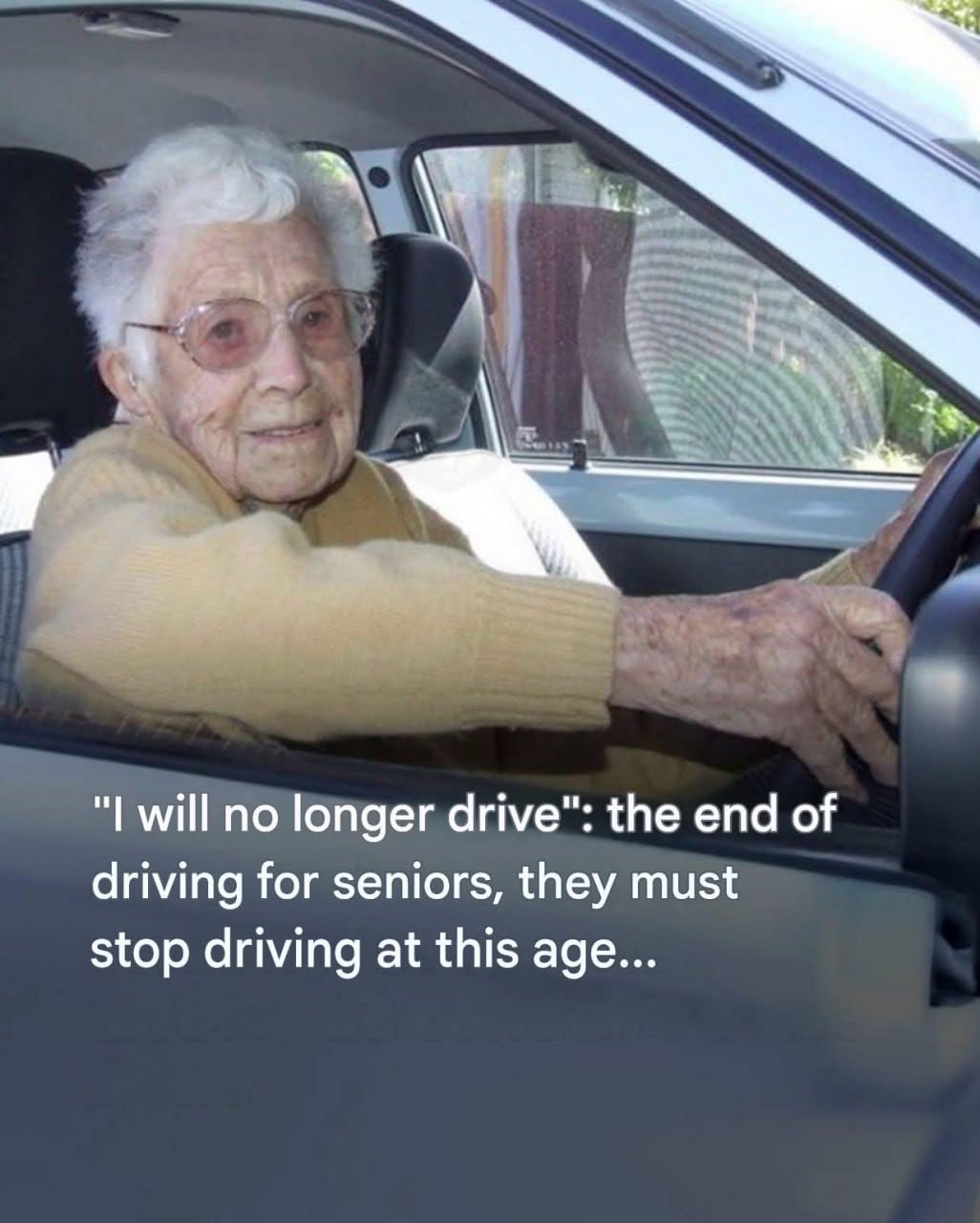
A Senior Driving Licence isn’t usually a separate licence category. Instead, it refers to standard driving licences with additional renewal rules, medical checks, or aptitude assessments for older drivers, depending on the country.
Here’s a clear, complete guide to what it typically involves:
🚗 1. What “Senior Driving Licence” means
It refers to regular driving licences held by older adults (often 60–70+), where authorities may add:
- More frequent renewals
- Medical fitness checks
- Vision or reaction-time tests
- In some cases, on-road driving assessments
The goal is not to take away driving rights automatically, but to ensure safe driving ability remains intact.
🧾 2. Common obligations for senior drivers
🩺 Medical fitness declaration
- Proof of general health
- Checks for conditions like diabetes, heart disease, or neurological issues
- Doctor’s certificate may be required in some countries
👁 Vision test
- Minimum eyesight standards (with or without glasses)
- Peripheral vision and night vision may be checked
🧠 Cognitive / reaction screening (in some regions)
- Basic memory and attention checks
- Simple hazard-response or reflex tests
🔁 More frequent licence renewal
- Younger drivers: 5–10 years renewal
- Senior drivers: often 1–3 years renewal cycle
🛣️ 3. Driving aptitude tests (when required)
Some authorities may require:
🚦 On-road driving test
Assesses:
- Lane discipline
- Parking ability
- Reaction to traffic situations
- Speed control and awareness
🖥 Computer-based tests (less common)
- Road sign recognition
- Hazard perception
- Basic traffic rule knowledge
⚠️ 4. When additional checks are triggered
Not every older driver is automatically tested. Extra evaluation may happen if:
- There are repeated traffic violations
- A doctor reports a medical concern
- Family or authorities raise safety concerns
- Renewal forms indicate health risks
🧠 5. Why these rules exist
Aging can affect:
- Reaction time
- Vision (especially night driving)
- Hearing
- Joint flexibility (turning, braking quickly)
- Attention span under stress
But importantly: many seniors remain excellent, safe drivers for years—so the system is based on ability, not age alone.
💡 6. How to stay driving safely longer
- Regular eye exams (yearly after 60 is ideal)
- Stay physically active (improves reaction time)
- Avoid driving at night if vision is reduced
- Review medications that cause drowsiness
- Practice defensive driving habits
🧾 Bottom line
A “senior driving licence” is really about ongoing fitness to drive, not age-based restriction. Most people keep their licence as long as they can demonstrate safe physical and cognitive ability.
If you want, tell me your country (for example Pakistan, UK, India, etc.), and I can explain the exact rules and renewal ages that apply there specifically.
