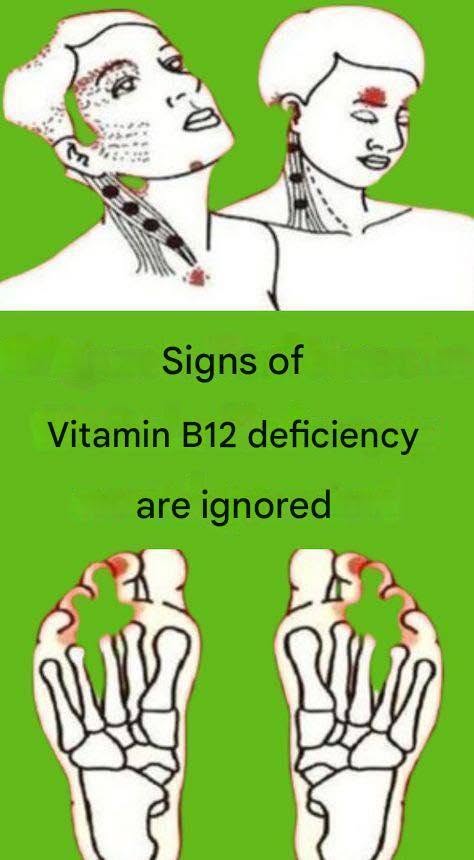
Signs of vitamin B12 deficiency are often overlooked because they can develop slowly and resemble many other conditions. If untreated, a deficiency can affect the blood, nerves, and overall energy levels.
Common signs include:
- Unusual tiredness or weakness — B12 is needed for healthy red blood cell production.
- Numbness, tingling, or “pins and needles” in the hands or feet — nerve symptoms are an important warning sign.
- Balance problems or difficulty walking — can occur when nerves are affected.
- Memory problems, trouble concentrating, or confusion — sometimes described as “brain fog.”
- Mood changes — such as irritability or low mood.
- Pale or yellowish skin — possible with certain types of anemia.
- Sore, red, or swollen tongue (glossitis).
- Vision changes in rare cases due to nerve involvement.
People at higher risk include those with low intake of animal products (such as vegans), older adults, people with absorption problems, certain stomach or intestinal conditions, and those taking some medications that affect B12 absorption.
A blood test can check B12 levels, and sometimes doctors also check related markers such as methylmalonic acid (MMA) or homocysteine when the diagnosis is unclear.
If you have symptoms like new numbness, weakness, balance problems, or confusion, it’s worth discussing with a healthcare professional because nerve effects can become harder to reverse if a deficiency is prolonged.
