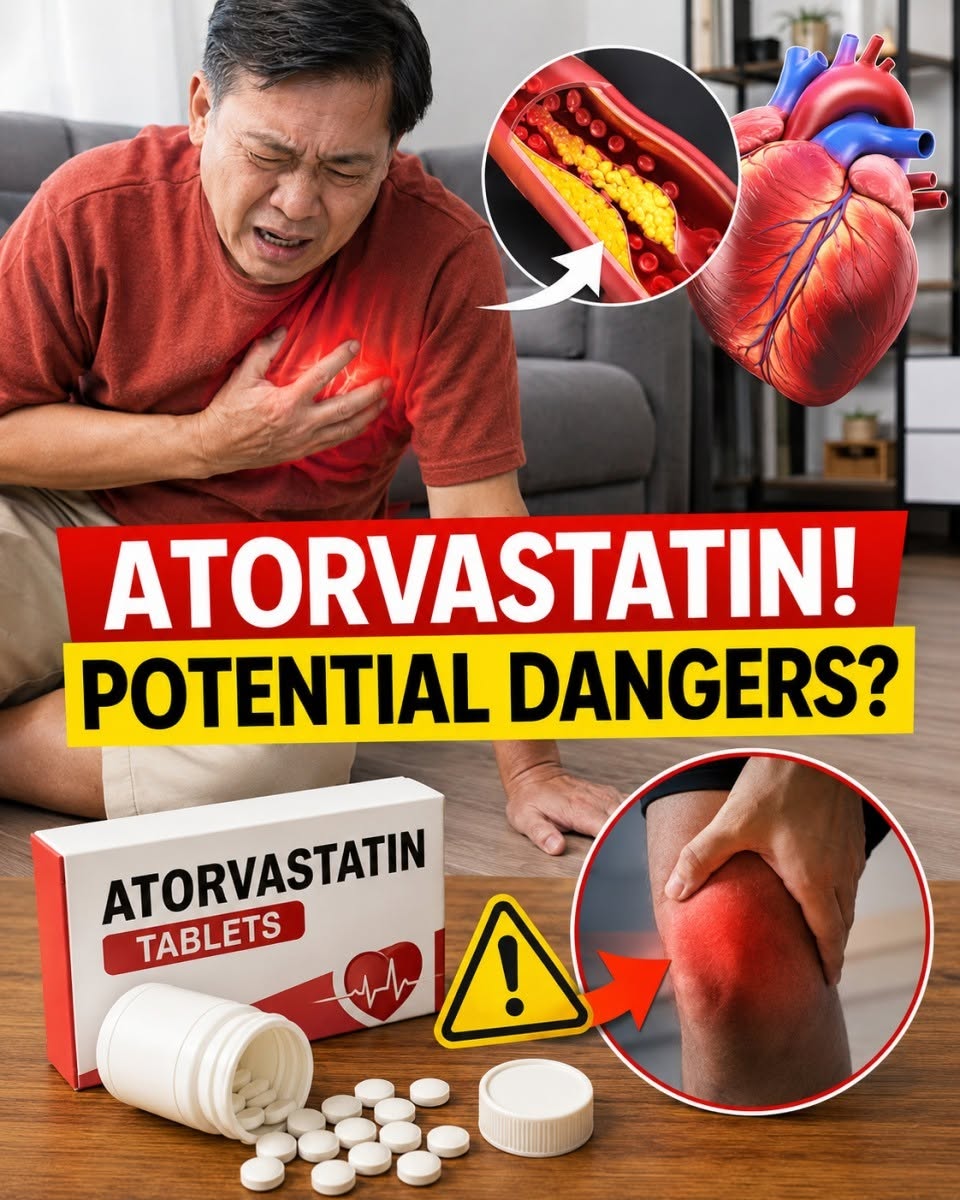
Taking Atorvastatin: What You Really Need to Know About Side Effects and Safe Use
Atorvastatin is a commonly prescribed statin medication used to lower LDL (“bad”) cholesterol and reduce the risk of heart attack and stroke. Like all medicines, it can cause side effects, but many people take it safely for years with proper monitoring.
Common side effects
Some people may experience:
- Muscle aches or soreness – The most talked-about side effect. Mild muscle discomfort can occur, but severe muscle symptoms are uncommon.
- Tiredness or weakness – Some people report fatigue after starting treatment.
- Digestive symptoms – Such as nausea, diarrhea, constipation, or stomach discomfort.
- Headache – Can occur in some users.
- Sleep changes – Some people report changes in sleep patterns.
Rare but important side effects
Contact a healthcare professional if you notice:
- Severe muscle pain, weakness, or dark-colored urine (possible serious muscle injury).
- Yellowing of the skin or eyes, dark urine, or unusual abdominal pain (possible liver problems).
- Unusual severe fatigue or weakness.
Safe-use tips
- Take atorvastatin exactly as prescribed.
- Keep follow-up appointments and have cholesterol levels checked as recommended.
- Tell your healthcare provider about all medicines, supplements, and herbal products you use because some combinations can increase side effects.
- Avoid excessive alcohol intake, which can increase stress on the liver.
- Do not stop it suddenly without discussing it with your healthcare provider; your cardiovascular risk may increase if treatment is stopped unnecessarily.
Food and lifestyle considerations
A heart-healthy lifestyle helps atorvastatin work better:
- Eat more vegetables, fruits, whole grains, beans, and healthy fats.
- Exercise regularly.
- Maintain a healthy weight.
- Avoid smoking.
A note about muscle symptoms
If you develop new muscle pain after starting atorvastatin, don’t assume you must stop the medicine—contact your healthcare professional. They can evaluate whether it is related to the medication, check for other causes, and adjust treatment if needed.
For many people at risk of cardiovascular disease, the benefits of lowering cholesterol and preventing serious events outweigh the potential risks of side effects.
