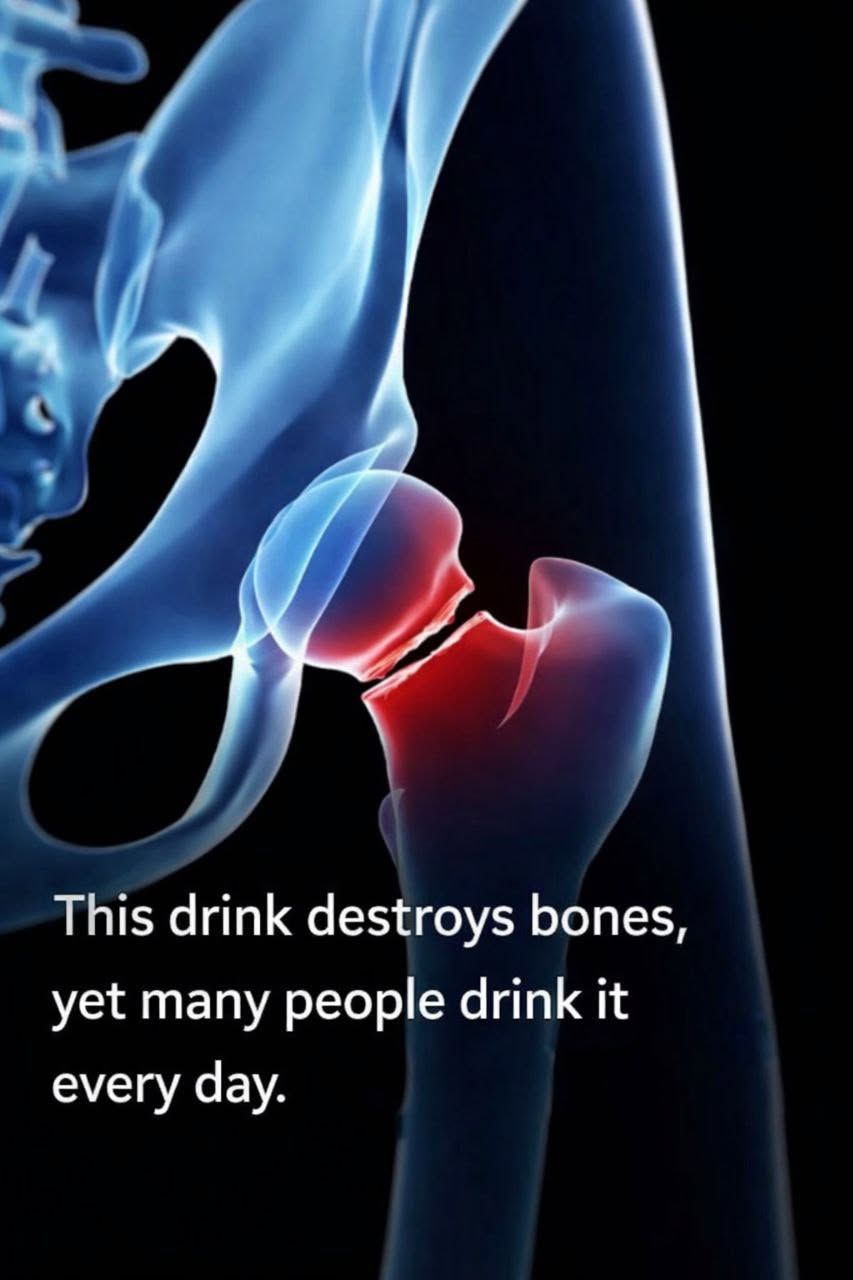
No beverage is inherently “toxic” to your bones, but regular consumption of certain drinks—especially in large amounts—may contribute to poorer bone health as part of an overall unhealthy diet or lifestyle.
Five drinks that may be less favorable for bone health
- Sugar-sweetened soft drinks
- Frequent consumption is associated with lower diet quality, and some studies have linked high cola intake with lower bone mineral density, although the reasons are likely due to multiple factors rather than one ingredient alone.
- Alcohol (in excess)
- Heavy, long-term alcohol use can interfere with bone formation and increase the risk of osteoporosis and fractures.
- Highly caffeinated beverages
- Very high caffeine intake can slightly increase calcium loss in urine. For most healthy adults with adequate calcium intake, moderate coffee or tea consumption is not considered a major risk.
- Sugary energy drinks
- Often high in sugar and caffeine. While they have not been shown to directly weaken bones, frequent consumption may displace healthier beverages.
- Sugary specialty coffee drinks or milkshakes
- These can be high in added sugars and calories and may contribute to an overall dietary pattern that is less supportive of bone health.
Drinks that support bone health
- Milk and fortified plant-based drinks (with calcium and vitamin D)
- Water
- Unsweetened yogurt-based drinks
- Fortified orange juice (where available), in moderation
Other ways to keep bones strong
- Get enough calcium and vitamin D.
- Eat adequate protein.
- Do regular weight-bearing and resistance exercise.
- Avoid smoking.
- Limit heavy alcohol use.
Overall, your entire diet and lifestyle have a much greater impact on bone health than any single beverage. Moderate consumption of coffee or tea is generally compatible with healthy bones if you’re getting enough calcium and vitamin D.
