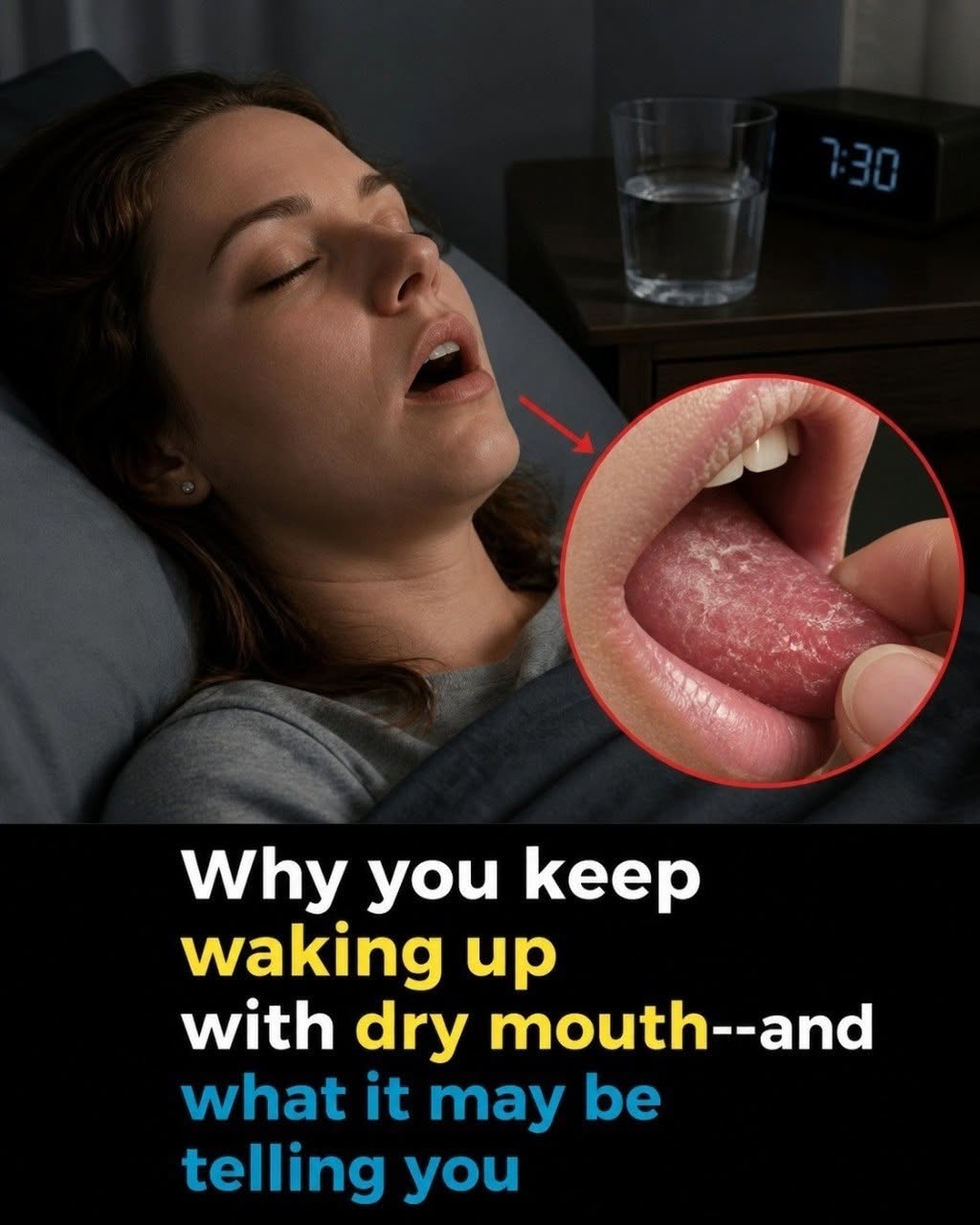
Waking Up With Dry Mouth? Here’s What Your Body Might Be Telling You
Waking up with a dry mouth is a common experience. For some people, it happens occasionally; for others, it becomes a daily issue that affects sleep quality and morning comfort. While it may seem harmless, persistent dry mouth can sometimes be a sign that your body is trying to tell you something about hydration, breathing patterns, or overall health.
Understanding the possible causes can help you fix the problem instead of just dealing with the discomfort.
What Is Dry Mouth?
Dry mouth, also called xerostomia, occurs when your mouth does not produce enough saliva during sleep or throughout the day. Saliva is important because it helps:
- Keep the mouth moist
- Support digestion
- Protect teeth from decay
- Control bacteria in the mouth
When saliva production drops at night, you may wake up feeling sticky, thirsty, or uncomfortable.
Common Reasons You Wake Up With Dry Mouth
1. Mouth Breathing During Sleep
One of the most common causes is breathing through the mouth instead of the nose while sleeping.
This can happen due to:
- Nasal congestion
- Allergies
- Deviated septum
- Sleep position
Mouth breathing dries out saliva quickly.
2. Dehydration
Not drinking enough water during the day can lead to dry mouth at night.
Other contributing factors:
- Excess caffeine or alcohol
- Hot weather
- High salt intake
3. Medications
Some medicines reduce saliva production as a side effect.
Common examples include:
- Antihistamines
- Antidepressants
- Diuretics
- Blood pressure medications in some cases
4. Sleep Apnea
Dry mouth can also be linked to sleep apnea, a condition where breathing repeatedly stops and starts during sleep. Mouth breathing is common in people with this condition.
Other signs include:
- Loud snoring
- Daytime fatigue
- Morning headaches
5. Smoking or Tobacco Use
Smoking can reduce saliva production and irritate the mouth lining, leading to dryness.
6. Aging
As people get older, saliva production naturally decreases, which can contribute to dry mouth symptoms.
Why You Should Not Ignore Persistent Dry Mouth
Occasional dry mouth is usually harmless, but chronic dry mouth may lead to:
- Bad breath
- Tooth decay
- Gum disease
- Difficulty swallowing or speaking
- Mouth infections
Saliva plays a protective role, so long-term reduction should be addressed.
How to Fix or Reduce Dry Mouth at Night
✔ Stay Hydrated
Drink enough water throughout the day, not just at night.
✔ Breathe Through Your Nose
Treat nasal congestion if needed with saline sprays or medical advice.
✔ Use a Humidifier
Adding moisture to the air can reduce dryness during sleep.
✔ Avoid Alcohol and Caffeine at Night
These can increase dehydration.
✔ Review Medications
Speak with a healthcare provider if you suspect your medication is causing dry mouth.
✔ Maintain Oral Hygiene
Brush, floss, and use alcohol-free mouthwash before bed.
When to See a Doctor
Seek medical advice if dry mouth is:
- Persistent every morning
- Accompanied by difficulty swallowing
- Associated with loud snoring or breathing pauses
- Causing dental problems
A doctor or dentist can help identify the underlying cause.
Final Thoughts
Waking up with dry mouth is usually linked to simple causes like mouth breathing, dehydration, or sleep habits—but sometimes it can signal an underlying condition such as sleep apnea or medication side effects. Paying attention to patterns and making small lifestyle changes can significantly improve comfort and oral health.
Source: Original educational article based on general dental and sleep medicine guidance, including clinical information from oral health and respiratory health research.
