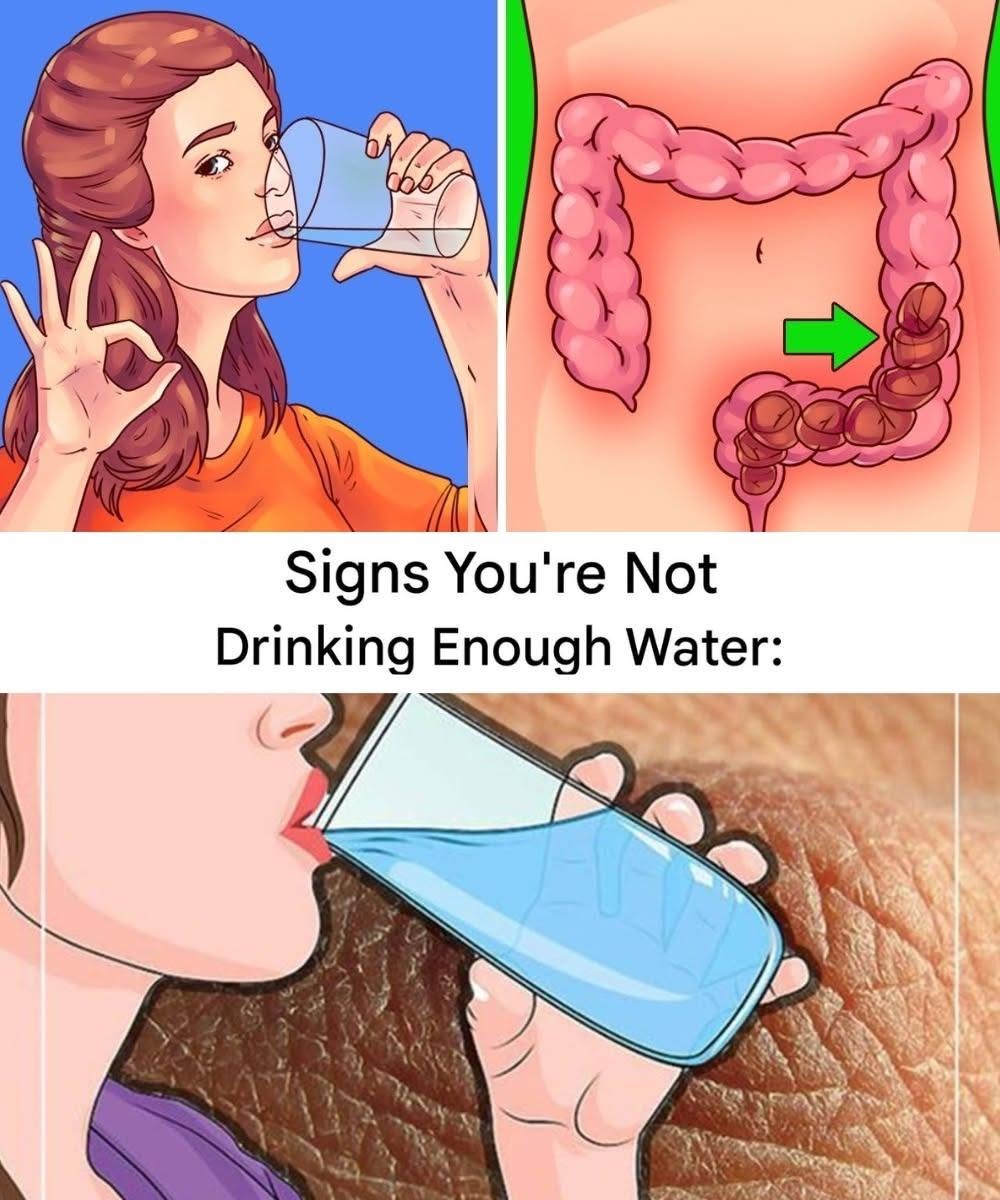
Your body needs water for temperature control, blood circulation, digestion, joint function, and many other processes. When you don’t drink enough, dehydration can develop. The signs can be mild at first but may become more serious if fluids aren’t replaced.
8 common signs you may be dehydrated
- Thirst
- Feeling thirsty is one of the earliest signals that your body needs more fluid.
- Dark yellow urine
- Concentrated, darker urine can be a sign you may need more fluids. (Urine color can also be affected by some foods, vitamins, and medications.)
- Dry mouth and lips
- Reduced saliva production can make your mouth feel sticky or dry.
- Fatigue or low energy
- Even mild dehydration can make you feel tired or less alert.
- Headache or dizziness
- Lower fluid levels can affect blood volume and may contribute to headaches or lightheadedness.
- Difficulty concentrating
- Dehydration may affect attention, mood, and mental performance.
- Constipation
- Water helps keep stool softer and supports normal bowel movements.
- Muscle cramps
- Fluid and electrolyte changes may contribute to cramps, especially after sweating or exercise.
How to stay hydrated
- Drink water regularly rather than waiting until you are very thirsty.
- Eat water-rich foods such as fruits, vegetables, soups, and yogurt.
- Increase fluids during hot weather, exercise, fever, vomiting, or diarrhea.
Seek medical help if dehydration is severe
Warning signs include confusion, fainting, inability to keep fluids down, very little urine, rapid heartbeat, or severe weakness—especially in older adults, young children, or people with medical conditions.
The amount of water each person needs varies depending on body size, activity level, climate, diet, and health status.
