What Is Atorvastatin and Why Is It Commonly Prescribed?
Atorvastatin is a medication in a group called statins. It is commonly prescribed to help lower cholesterol levels and reduce the risk of heart attack, stroke, and other cardiovascular problems.
How atorvastatin works
Atorvastatin blocks an enzyme in the liver involved in making cholesterol. This helps:
- Lower LDL cholesterol (“bad” cholesterol)
- Reduce levels of certain fats called triglycerides
- Modestly increase HDL cholesterol (“good” cholesterol) in some people
It also helps stabilize fatty deposits in blood vessels, which may reduce the chance of plaque rupture and blood clots.
Why doctors prescribe atorvastatin
It may be prescribed for people who:
- Have high LDL cholesterol
- Have a history of heart attack, stroke, or certain types of heart disease
- Have diabetes or other risk factors that increase cardiovascular risk
- Have a high estimated risk of developing cardiovascular disease
- Need additional protection because of family history or other risk factors
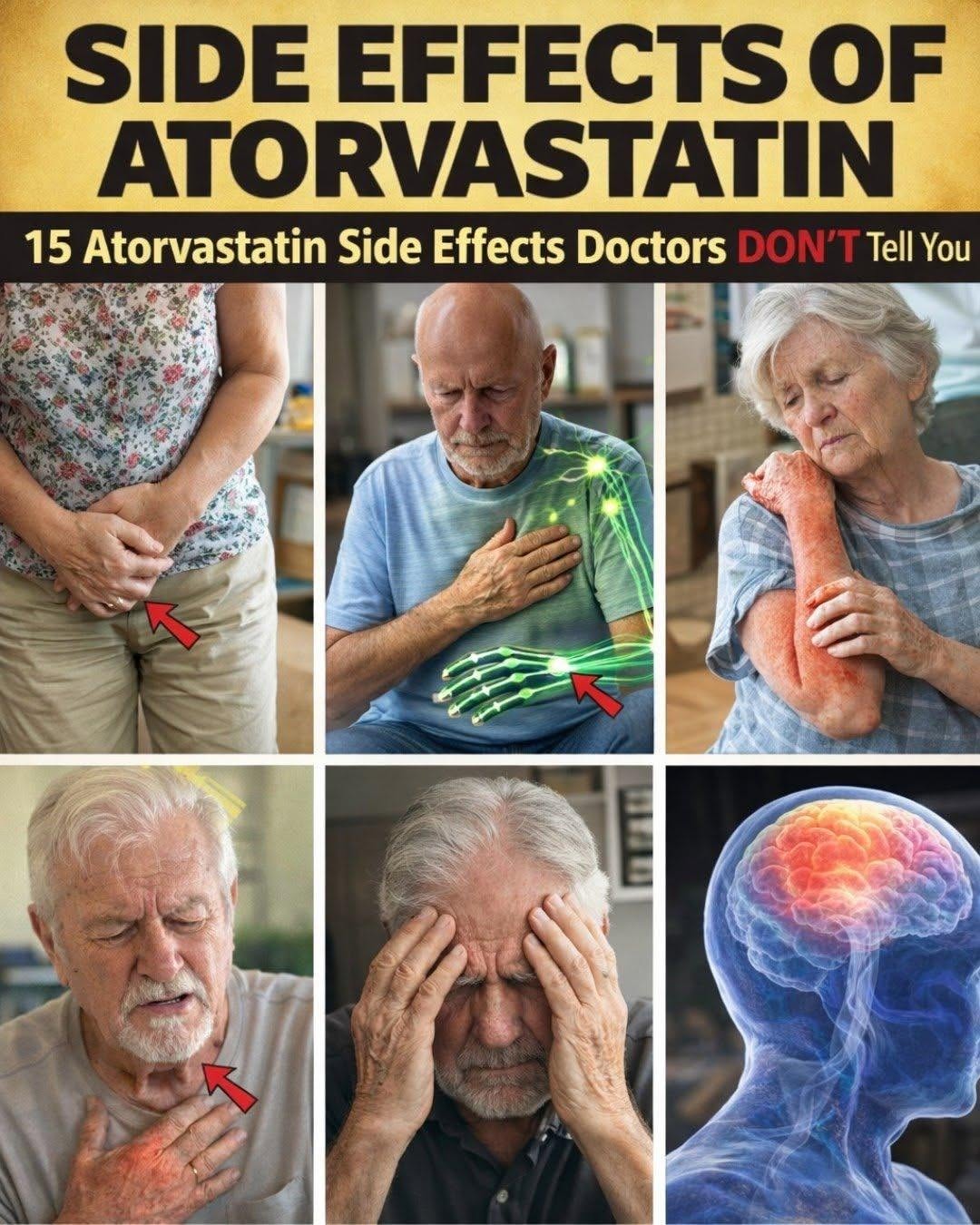
Common side effects
Many people tolerate atorvastatin well, but possible side effects include:
- Muscle aches or soreness
- Joint pain
- Headache
- Digestive symptoms (such as nausea or diarrhea)
- Mild increases in liver enzymes on blood tests
Rare but serious side effects
Seek medical advice if you experience:
- Severe muscle pain, weakness, or dark-colored urine (possible muscle injury)
- Yellowing of the skin or eyes, or unusual severe fatigue (possible liver problems)
- Signs of an allergic reaction
Things to discuss with your healthcare professional
Before or while taking atorvastatin, tell your healthcare provider if you:
- Have liver disease
- Drink large amounts of alcohol
- Take multiple medications or supplements
- Are pregnant, trying to become pregnant, or breastfeeding (statins are generally avoided during pregnancy)
Some medicines and substances can interact with atorvastatin, including certain antibiotics, antifungal medicines, and large amounts of grapefruit products.
Important reminder
Do not stop atorvastatin suddenly without medical advice. It is usually prescribed because the benefits of lowering cardiovascular risk outweigh the potential risks for the intended patient.
If you take atorvastatin, sharing your dose (for example 10 mg, 20 mg, 40 mg, or 80 mg), why it was prescribed, and any side effects you notice can help explain what to expect.
