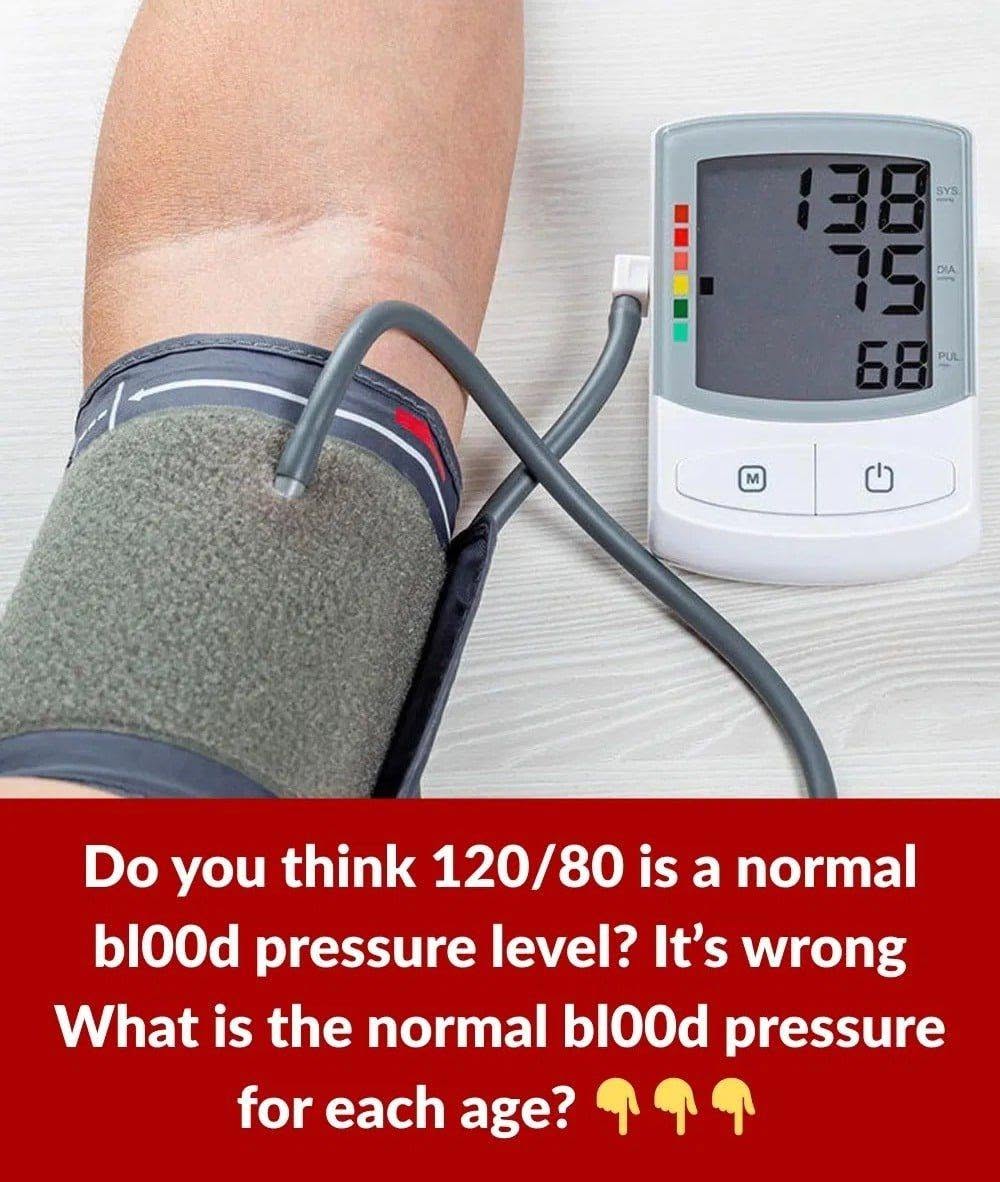
Blood pressure does not have one exact “normal” number for each age. In adults, healthy blood pressure is generally judged by the same ranges, while older adults may have slightly different targets depending on health conditions and medical advice.
A commonly used guide:
| Age group | Typical healthy blood pressure range* |
|---|---|
| Children | Varies greatly by age, height, and sex (doctor uses pediatric charts) |
| Teens (13–17) | Around <120/80 mmHg |
| Adults (18–39) | Around 90/60 to <120/80 mmHg |
| Adults (40–59) | Around 90/60 to <120/80 mmHg (many people need monitoring as risk increases) |
| Adults 60+ | Often a goal around <130/80 mmHg, but targets vary by health status |
Blood pressure categories for most adults:
- Normal: Less than 120/80 mmHg
- Elevated: 120–129 and less than 80
- High blood pressure (Stage 1): 130–139 or 80–89
- High blood pressure (Stage 2): 140 or higher or 90 or higher
- Hypertensive crisis: 180/120 or higher (requires urgent medical attention, especially with symptoms)
*A single reading does not diagnose high blood pressure. Measurements can change with stress, exercise, caffeine, illness, and the time of day.
If you tell me the person’s age and blood pressure reading (for example 145/90), I can help explain whether it is considered normal, elevated, or high.
