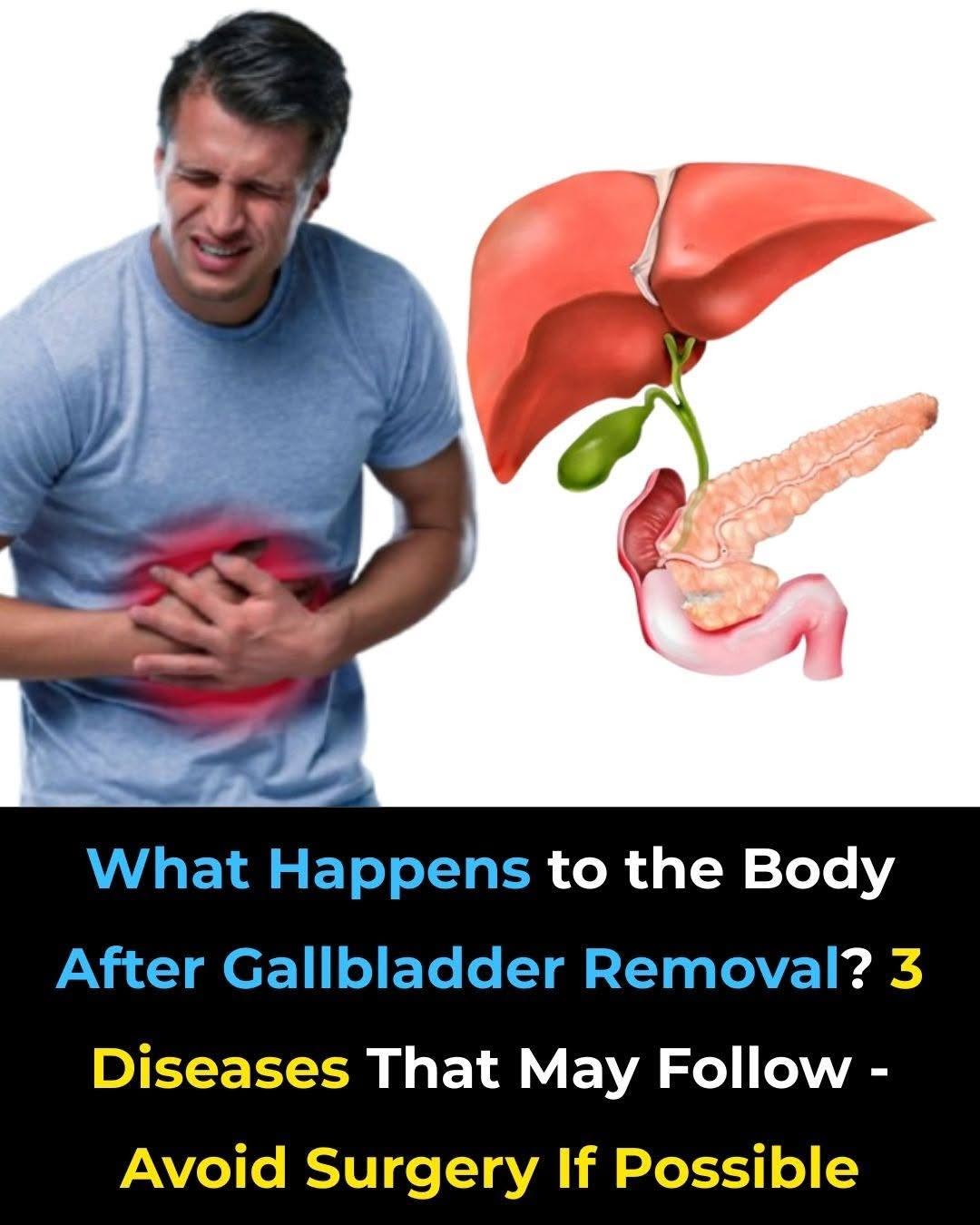
After gallbladder surgery, most people recover well, but the body does need time to adjust because bile flow changes.
The procedure involves removing the Gallbladder, which normally stores bile used for fat digestion.
🩺 What to expect after surgery
⏱️ First few days
- Abdominal soreness or bloating
- Fatigue
- Mild nausea
- Shoulder pain (from gas used during laparoscopic surgery)
💩 Common digestive side effects
After surgery, bile flows directly into the intestine, which can cause:
- Loose stools or diarrhea
- Urgency after eating fatty foods
- Gas or bloating
- Temporary indigestion
These usually improve over weeks to months.
🧠 Longer-term changes
Some people may experience:
- Sensitivity to fatty or fried foods
- Occasional digestive discomfort
- In rare cases, symptoms grouped as Postcholecystectomy syndrome
🥗 Dietary tips for recovery
✔️ Early diet (first days)
- Light foods: soup, rice, toast, yogurt
- Small, frequent meals
- Plenty of fluids
✔️ First few weeks
- Gradually reintroduce foods
- Choose low-fat options
- Avoid fried, spicy, or heavy meals
✔️ Long-term eating habits
- Eat smaller portions of fat
- Focus on:
- Fruits and vegetables
- Whole grains
- Lean proteins
- Add healthy fats slowly (olive oil, nuts)
⚠️ When to contact a doctor
Seek medical advice if you have:
- Severe abdominal pain
- Fever or signs of infection
- Persistent vomiting
- Yellowing of skin or eyes
- Ongoing severe diarrhea
🧠 Bottom line
Most people live normally after gallbladder removal. The main adjustment is that digestion becomes less efficient with large fatty meals, especially early on.
If you want, I can give you a 1-week post-surgery meal plan or foods to strictly avoid in the first month.
