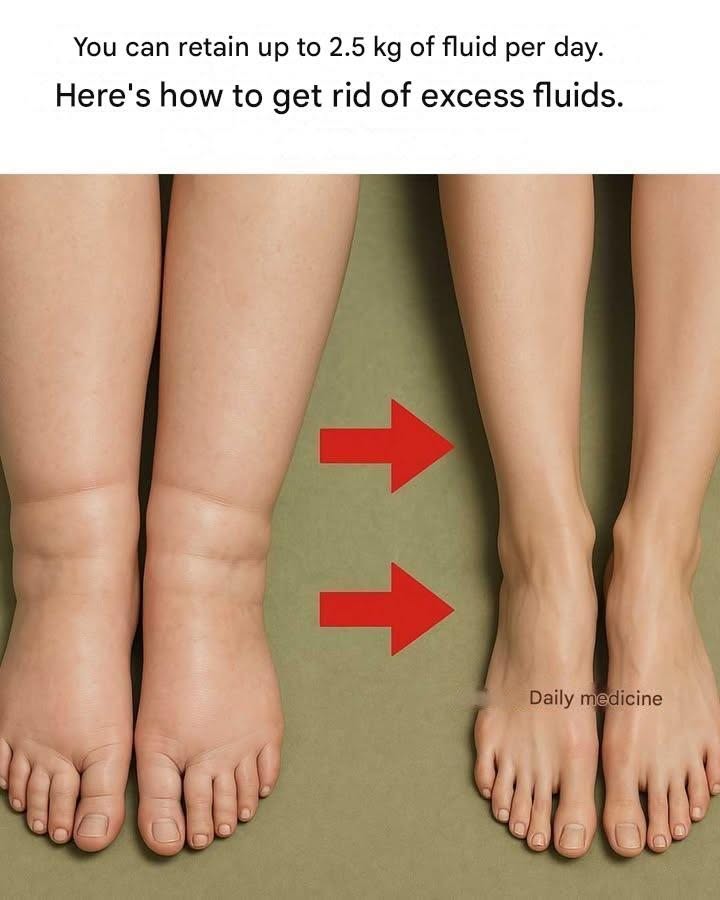
It’s true that body weight can fluctuate by several pounds (sometimes around 1–3 kg or more) from day to day, but this is usually water and stored food weight—not fat gain. The amount varies depending on diet, hormones, activity, weather, and health.
Common reasons your body holds extra fluid
- High salt intake (processed foods, salty snacks, restaurant meals)
- High carbohydrate intake (stored glycogen holds water)
- Hormonal changes (such as menstrual cycle changes)
- Long periods of sitting or standing
- Hard exercise (temporary inflammation and muscle repair)
- Poor sleep or stress
Healthy ways to reduce temporary water retention
- Drink enough water
- Being well hydrated helps your kidneys regulate fluid balance.
- Reduce excess sodium
- Limit highly processed foods and choose fresh foods more often.
- Eat potassium-rich foods
- Foods such as bananas, beans, potatoes, leafy greens, and yogurt can help balance sodium levels.
- Move regularly
- Walking and light activity support circulation and can reduce swelling from inactivity.
- Eat more whole foods
- Fruits, vegetables, lean proteins, and whole grains support normal fluid regulation.
- Get consistent sleep
- Poor sleep can affect hormones involved in fluid balance and appetite.
When fluid retention may need medical attention
Talk with a healthcare professional if you have:
- Sudden swelling, especially in one leg
- Shortness of breath or chest pain
- Rapid unexplained weight gain
- Swelling of the face, hands, or feet that persists
A quick change on the scale is often water, but persistent swelling or rapid changes should be evaluated rather than treated as a simple “detox” issue.
