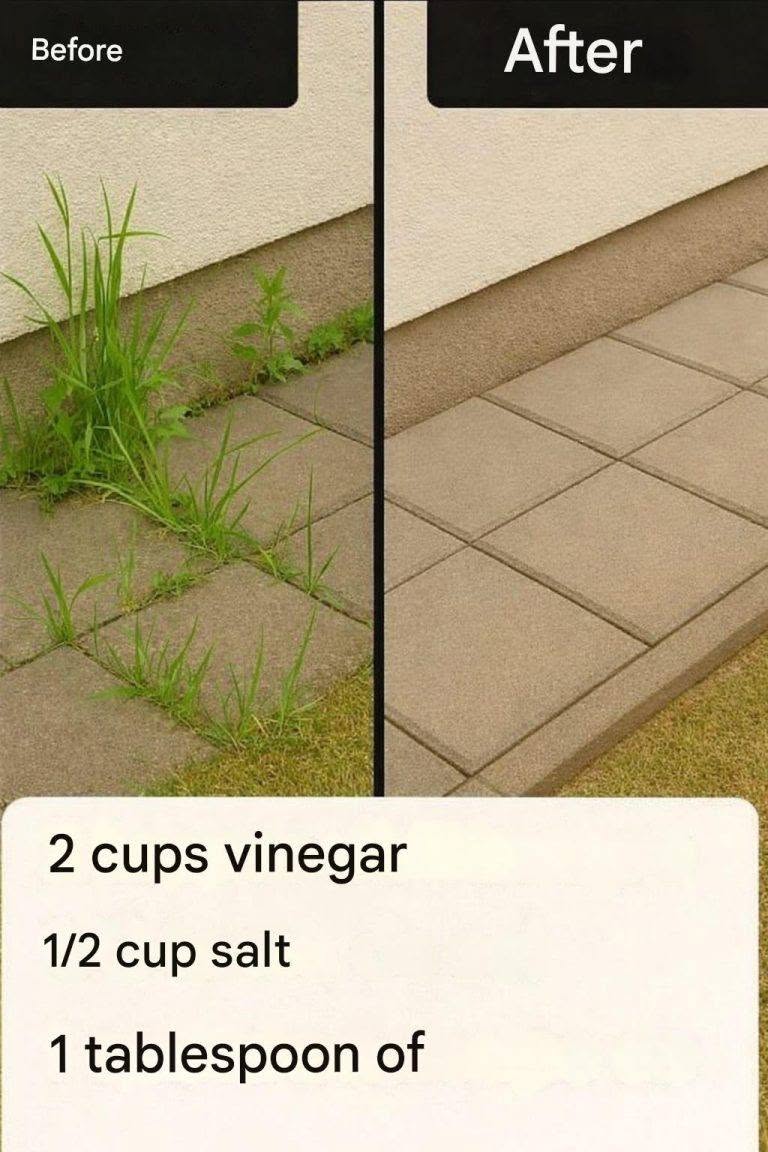
How to Make a Homemade Herbicide: Safer Ways to Control Weeds
Many gardeners look for simple homemade solutions to control weeds without relying on commercial products. Some household ingredients can help manage unwanted plants, but it is important to understand how they work and where they are safe to use.
A homemade weed treatment may kill the leaves it touches, but it usually does not replace professional herbicides for long-term weed control. Some mixtures can also damage desirable plants, soil health, or nearby surfaces if used incorrectly.
A Simple Homemade Weed Spray
A common homemade approach uses:
- White vinegar (household vinegar)
- A small amount of liquid dish soap
The vinegar helps dry out plant leaves, while the soap helps the solution spread and stick to the foliage.
How to Use It
- Choose a dry, sunny day with little wind.
- Apply the spray directly to the leaves of unwanted weeds.
- Avoid spraying nearby flowers, vegetables, grass, or other plants you want to keep.
- Reapply if weeds regrow, as many homemade sprays only affect the visible parts of the plant.
Where Homemade Weed Sprays Work Best
They are most useful for weeds growing in places such as:
- Cracks in sidewalks
- Driveways
- Gravel paths
- Areas where you do not want plants growing
They are usually less effective for deep-rooted weeds because the roots may survive.
Natural Ways to Reduce Weeds Long-Term
1. Mulching
A layer of organic mulch can block sunlight and reduce weed growth around plants.
2. Hand Pulling
Removing weeds when the soil is slightly moist can help remove more of the root system.
3. Ground Cover Plants
Dense planting can reduce open space where weeds can establish.
4. Regular Maintenance
Frequent removal of small weeds prevents them from spreading seeds.
Important Safety Tips
- Do not use homemade weed sprays on edible crops unless you know the ingredients are safe for that purpose.
- Avoid spraying on windy days to prevent damage to nearby plants.
- Keep sprays away from children and pets until the area is dry.
- Do not use salt-based weed mixtures in gardens, as salt can harm soil and make it difficult for plants to grow.
- Avoid mixing household chemicals together.
The Bottom Line
Homemade weed sprays can be useful for controlling small weeds in specific areas, but they are not a universal replacement for commercial herbicides. The most effective long-term weed control usually combines prevention, mulching, healthy soil practices, and regular maintenance.
